
Selling online in Catalonia: building an ecommerce that converts
Selling online in Catalonia: building an ecommerce that converts
Why a shop window is no longer enoughFor a retailer in Lleida, Girona, Tarragona or Barcelona, the decision to sell online is rarely about technology....
Why a shop window is no longer enough
For a retailer in Lleida, Girona, Tarragona or Barcelona, the decision to sell online is rarely about technology. It is about reach. A physical shop serves a neighbourhood; an online store can serve the whole of Catalonia, the rest of Spain and, with the right setup, the European single market. But an online shop is not a brochure with a checkout bolted on. It is a sales channel with its own economics, its own logistics and its own rules — and the difference between a store that sells and one that simply exists usually comes down to how well it was planned.
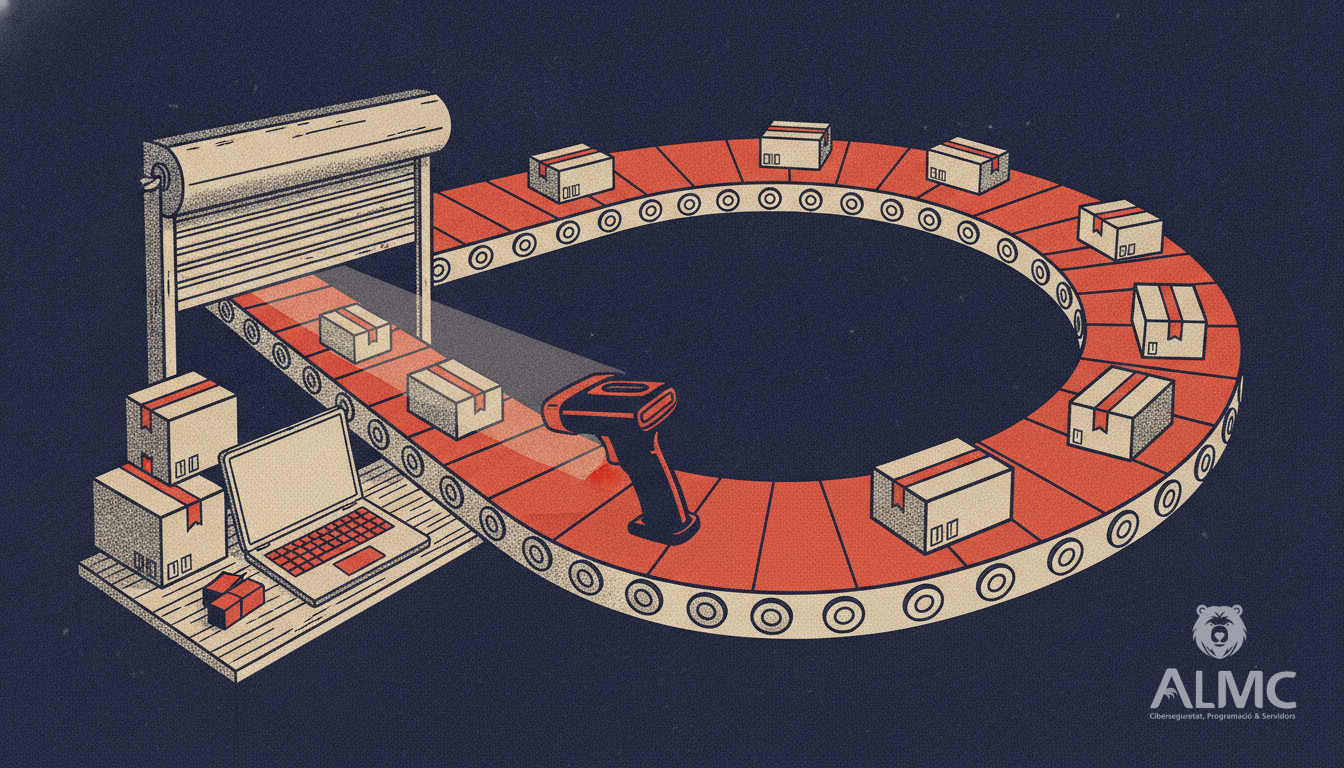
At ALMC.es we build online stores that genuinely sell: tailored PrestaShop and WooCommerce platforms, conversion optimisation and the full stack needed to compete in ecommerce. This article sets out the decisions that matter most before and after launch.
Choosing the platform: PrestaShop or WooCommerce
Both are open-source and both can run a serious business, but they suit different situations.
- PrestaShop is a dedicated ecommerce system. It ships with catalogue management, multi-store support, tax rules for different EU countries and a mature back office. It is often the better fit for catalogues with hundreds or thousands of references, B2B pricing tiers or businesses planning to sell across several markets.
- WooCommerce runs on WordPress, which makes it a natural choice when content marketing, blogging and SEO are central to the strategy. It is flexible and familiar to editors, though performance and plugin sprawl need careful management as the catalogue grows.
The honest answer is that neither is universally better. What matters is that the platform is configured around your catalogue, your margins and your fulfilment process — not chosen because it was the cheapest option at the time.
Conversion is a design and content problem
Traffic alone does not pay the bills. A store that converts well tends to share a set of unglamorous qualities: product pages with clear photography, honest specifications and visible stock levels; prices that include VAT so Spanish shoppers see the final figure; shipping costs and delivery times stated before checkout; and a checkout that asks for as little as possible. Guest checkout matters, as does offering the payment methods local customers actually use — cards, Bizum, PayPal and, for larger baskets, financing options.
Mobile deserves particular attention. A significant share of browsing in Spain happens on a phone, often in the evening, and a checkout that is awkward on a small screen will lose sales that were otherwise within reach. Speed is part of the same equation: heavy themes and unoptimised images cost conversions long before they cost rankings.
Logistics, returns and the Spanish reality
Delivery expectations in Spain are shaped by the big marketplaces, and independent shops have to be realistic about what they can promise. Clear cut-off times, tracked shipping and a straightforward returns process build the trust that first-time buyers need. For retailers in Catalonia, proximity can be an advantage: local pickup, same-day delivery in the city and transparent handling of the Canary Islands, Ceuta and Melilla — which sit outside the standard VAT regime — are details that separate a professional operation from an amateur one.
Payments, invoicing and GDPR
An online store in Spain has to comply with consumer protection rules, including the right of withdrawal, and with invoicing obligations. Electronic invoicing is increasingly part of the picture, and integrating it with the shop rather than running it as a separate manual task saves hours every month. On data protection, GDPR compliance is not optional: cookie consent must be genuine, privacy policies must reflect what the store actually does with data, and payment data should never touch your own servers. Choosing a hosted payment gateway reduces risk considerably.
Measuring what actually happens
Once live, the store should be treated as something to improve continuously. That means tracking the funnel from product view to checkout, watching abandonment at each step, and testing changes rather than guessing. Small adjustments — a clearer delivery message, fewer form fields, better product images — often move revenue more than a redesign. The same discipline applies to the catalogue: products that never sell and pages that never convert deserve attention as much as the bestsellers.
Getting started
Whether you are launching a first online store or replacing one that has stopped performing, the sensible approach is to define the commercial goals first, then choose the platform and build around them. A shop that is fast, clear, legally compliant and easy to maintain will outperform a more elaborate one that nobody can update. That is the standard we work to at ALMC.es, from Lleida to the rest of Catalonia and beyond.
Related
- WooCommerce vs PrestaShop: Which Ecommerce Platform Wins in 2025?
- CRO for Ecommerce: Turning WooCommerce and PrestaShop Templates into Sales Engines
- Agentic Commerce: How AI Agents Are Rewriting the Rules of Online Shopping
- Desarrollo web
Put these ideas into practice
Talk to ALMC about a solution for your business. Explore your options or contact our team.