
How to Build an Online Store That Actually Sells in Spain
How to Build an Online Store That Actually Sells in Spain
Why an online store is no longer optional for Spanish retailersFor shops in Barcelona, Lleida, Tarragona or Girona, the question is no longer whether...
Why an online store is no longer optional for Spanish retailers
For shops in Barcelona, Lleida, Tarragona or Girona, the question is no longer whether to sell online, but how to do it without wasting a year and a budget. An online store is now the front door of the business: it opens at all hours, reaches customers far beyond the neighbourhood and, done well, feeds the physical shop rather than competing with it. The problem is that most first attempts are built as brochures with a checkout bolted on, and they never sell.
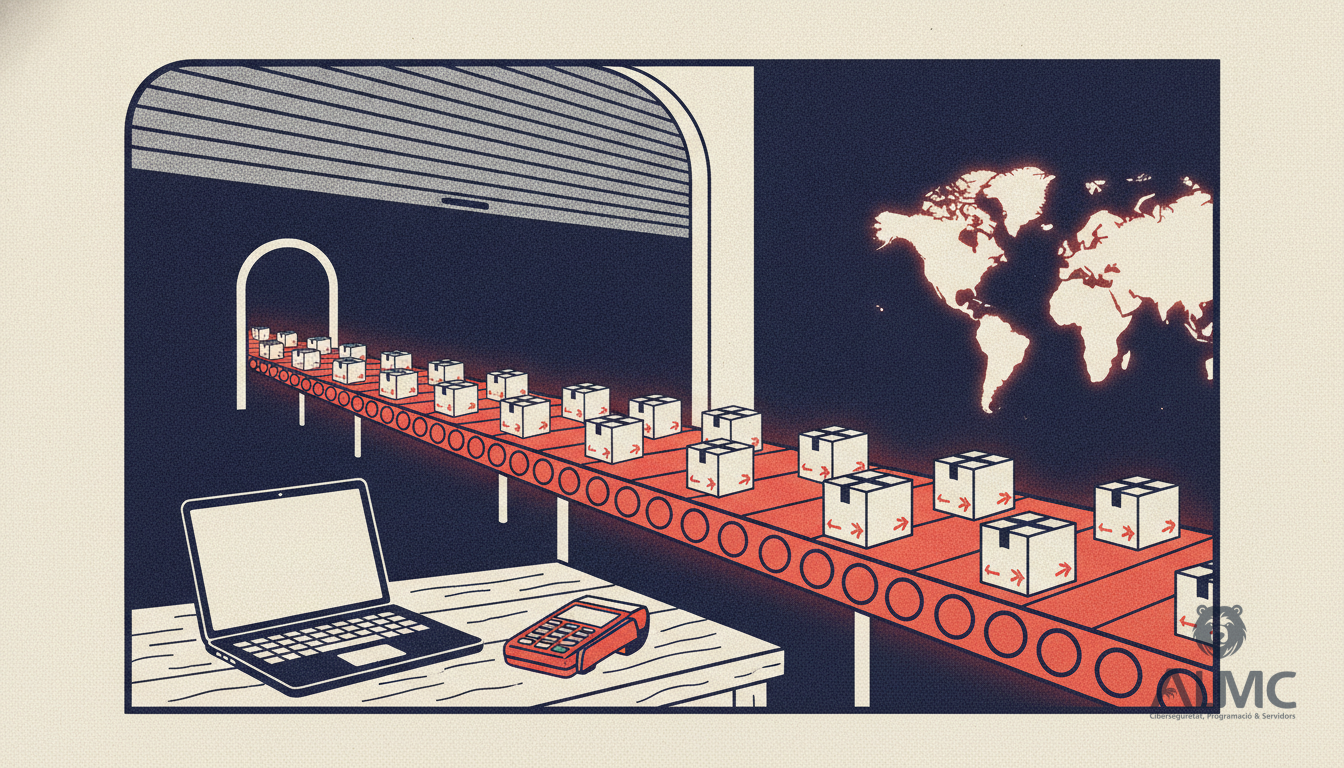
A store that converts is a system, not a template. It combines the right platform, a catalogue built for search, a checkout that removes friction and a logistics setup that keeps promises. Below we break down the decisions that matter most, based on the projects we run every day at ALMC.es.
Choose the platform around your catalogue, not the trend
In Spain, two platforms cover the vast majority of serious ecommerce projects: PrestaShop and WooCommerce. Each has a clear profile, and choosing badly is expensive to undo.
- PrestaShop shines when you manage a large catalogue, several languages, multiple warehouses or B2B pricing rules. It was born as a commerce engine, so stock, taxes and carrier logic are native rather than patched in.
- WooCommerce is the natural fit if content and commerce live together. It runs on WordPress, so your blog, landing pages and product pages share one system, one editor and one SEO strategy.
Neither is better in the abstract. The right answer depends on how many references you sell, how often prices change, whether you invoice businesses and how your team will actually update the site on a Monday morning. A custom build on either platform avoids the trap of stacking dozens of plugins that slow the site down and break on every update.
Conversion is a design problem and a data problem
Traffic is the expensive part; converting it is where the margin hides. Small, unglamorous improvements usually beat a full redesign:
- Product pages with real photographs, clear dimensions, delivery times and stock status visible without scrolling.
- A checkout with guest purchase, local payment methods and no forced account creation.
- Shipping costs shown early, not revealed as a surprise at the last step.
- Mobile-first layouts: in Spain, most first visits to a shop arrive from a phone.
- Measurable goals, so you can tell whether a change helped or just looked better.
We treat every change as a hypothesis: measure, adjust, keep what works. That discipline is what separates a shop that receives visits from one that sells.
Legal compliance and trust signals for the Spanish market
Selling in Spain and the EU means GDPR from day one. Cookie consent that actually blocks trackers until permission is given, a privacy policy written for your real data flows, and invoices that comply with Spanish tax rules are not optional extras. They are also conversion assets: a visible returns policy, a physical address in Catalonia and a phone number do more for trust than any banner. If you sell to other businesses, electronic invoicing and correct VAT handling become part of the product, not the accounts department's problem.
Logistics: the part customers remember
Cross-border selling has become far more accessible for Spanish merchants, with carriers and marketplace logistics services making international shipping simpler than it was a few years ago. Brussels, meanwhile, is tightening controls on parcels entering the EU, so duties and inspection times deserve a place in your planning. The practical rule is simple: promise what your carrier can deliver, integrate tracking into the store and tell customers about delays before they have to ask. A delivery that arrives when expected creates repeat purchase; a silent delay creates a refund request.
Content, discovery and the new routes to purchase
Shoppers increasingly discover products inside social feeds and short videos rather than typing a search query. That shifts the job of the store: it must be ready to receive a visitor who has never heard of the brand, with a landing page that matches the video they just watched and a checkout that works on the first attempt. Product data quality matters here too, because feeds, marketplaces and AI assistants all read the same descriptions and attributes. Clean, structured product information is no longer just SEO; it is how your catalogue travels.
Build once, optimise continuously
An online store is never finished. Platforms release updates, payment methods change, competitors adjust prices and customer expectations rise. The brands that win in Catalonia and across Spain are the ones that treat their shop as a product with a roadmap: a solid PrestaShop or WooCommerce base, a conversion plan reviewed every month and a technical partner who understands both the code and the commercial goal. That combination is what turns an ecommerce website into a business that grows on its own.
Related
- WooCommerce vs PrestaShop: Which Ecommerce Platform Wins in 2025?
- CRO for Ecommerce: Turning WooCommerce and PrestaShop Templates into Sales Engines
- Agentic Commerce: How AI Agents Are Rewriting the Rules of Online Shopping
- Desarrollo web
Put these ideas into practice
Talk to ALMC about a solution for your business. Explore your options or contact our team.