
Smart Carts and the Future of Online Shopping in Spain
Smart Carts and the Future of Online Shopping in Spain
A new layer between your shop and the shopperGoogle has started to roll out what it calls the Universal Cart, a smart shopping basket that lives insid...
A new layer between your shop and the shopper
Google has started to roll out what it calls the Universal Cart, a smart shopping basket that lives inside its search results and its Gemini assistant. The idea is simple but consequential: instead of losing track of products across browser tabs, screenshots and wish lists, shoppers can save items from different retailers in one place, watch for price drops and availability changes, and check out with a few taps. The first phase is limited to the United States, but the direction of travel is clear. For any comercio or brand selling online in Catalonia, it is worth understanding what this means before it lands in Spain.
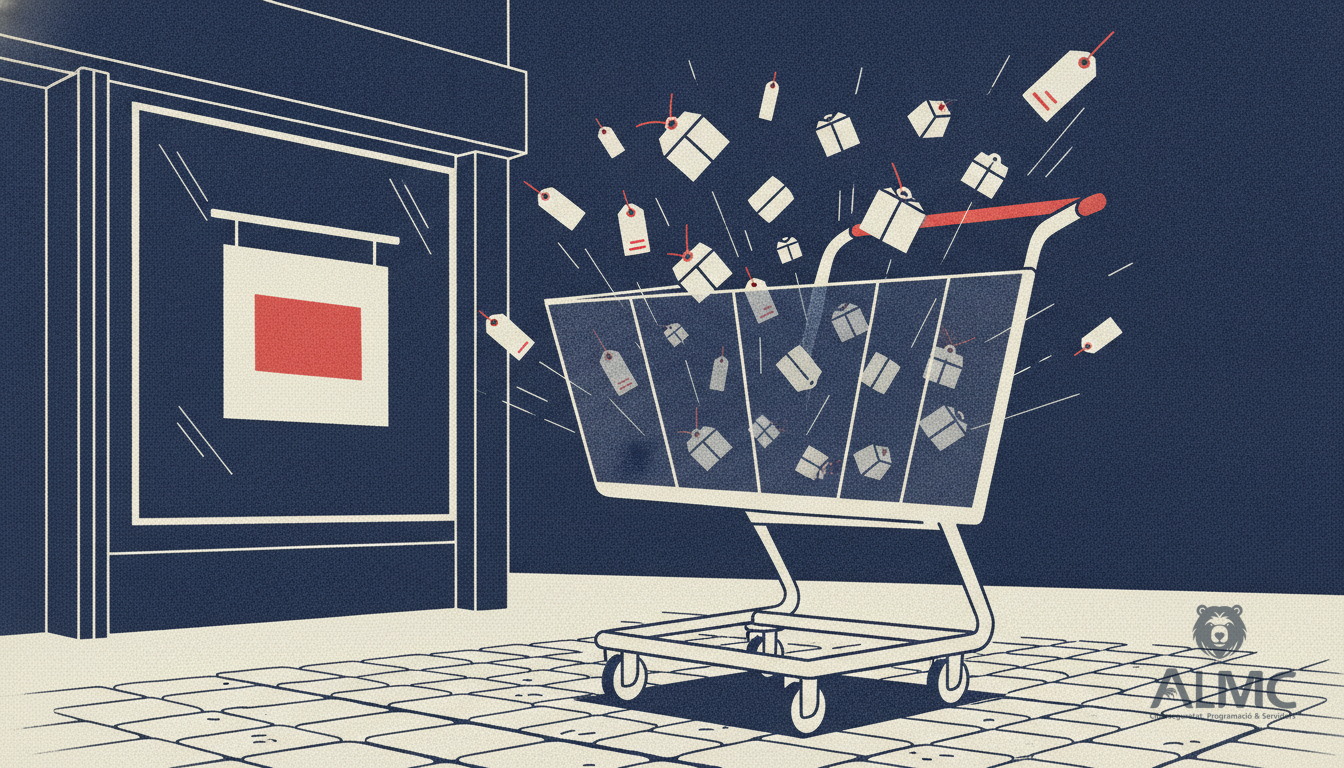
The cart draws on a vast product graph that Google updates continuously, which lets it work in the background and notify shoppers when something they saved becomes cheaper or comes back in stock. It also connects to Google Wallet, so it can reason about card benefits and surface relevant promotions. When the shopper is ready, they can either pay through Google Pay or hand the items back to the retailer's own checkout to finish the purchase on the store's website. In both cases, the retailer remains the official seller and handles customer service.
Why this matters for Spanish online stores
It is tempting to read this as another Google feature that will come and go. But the more useful reading is that the point of discovery and the point of purchase are drifting apart. Shoppers increasingly assemble their baskets across several touchpoints, and the store that wins is the one that stays present and useful throughout that journey, not just at the final click.
This has practical consequences for how you build and run your ecommerce operation in Lleida, Barcelona, Tarragona or Girona:
- Product data quality becomes a growth lever. If an external cart is going to read your catalogue, your titles, attributes, stock levels and prices need to be clean, consistent and updated in near real time. Sloppy feeds mean missed opportunities.
- Checkout must be fast and trustworthy. When a shopper is handed back to your site to pay, any friction, unexpected shipping cost or unclear returns policy can kill the sale. Express payment methods and transparent pricing are no longer optional.
- Retention moves up the agenda. If discovery happens elsewhere, your own channels, email lists and loyalty programmes become the main way to bring customers back on your terms.
- GDPR compliance stays non-negotiable. Sharing product and customer data with external platforms requires clear consent and a proper data processing agreement. Spanish and EU rules apply regardless of where the platform sits.
What a well-built store looks like in this landscape
None of this makes your own store less important. If anything, it raises the bar. A tienda online that genuinely sells is one where the catalogue is structured properly, the search works, the product pages answer real questions, and the checkout is measured and improved rather than left to chance. That is the ground we cover at ALMC.es: PrestaShop and WooCommerce builds tailored to each business, conversion optimisation based on actual behaviour, and the surrounding stack, from hosting and performance to analytics and integrations, that keeps everything running.
For a shop in Catalonia, the local angle matters too. Spanish consumers expect clear delivery windows, familiar payment methods and a returns process that does not require a detective. Getting those basics right is what allows you to benefit from new shopping behaviours instead of being disrupted by them.
Preparing now, not when it arrives
There is no need to panic about a feature that has not reached Spain yet. But there is a sensible list of things to review this quarter:
- Audit your product feed and fix gaps in attributes, stock and pricing.
- Measure checkout drop-off and remove unnecessary steps.
- Make sure your store handles express payments and mobile checkout gracefully.
- Review your consent flows and data processing agreements for external platforms.
- Build owned channels, such as email and WhatsApp, so you are not entirely dependent on third-party discovery.
The shift towards smarter, more assisted shopping is real, and it will reward stores with solid foundations. If you would like to assess how ready your ecommerce is, the team at ALMC.es can help you map the gaps and prioritise the work.
Related
- WooCommerce vs PrestaShop: Which Ecommerce Platform Wins in 2025?
- CRO for Ecommerce: Turning WooCommerce and PrestaShop Templates into Sales Engines
- Agentic Commerce: How AI Agents Are Rewriting the Rules of Online Shopping
- Desarrollo web
Put these ideas into practice
Talk to ALMC about a solution for your business. Explore your options or contact our team.