
Blog
Mobile Apps for Connected Devices: What Manufacturers Need to Know
Your device is ready. The app is the missing piece.When a manufacturer or a startup has already built a connected product, the conversation usually st...
Your device is ready. The app is the missing piece.
When a manufacturer or a startup has already built a connected product, the conversation usually starts in the same place: the hardware works, the electronics are certified, and the cloud platform receives data. What is missing is the part the customer actually touches. For most connected products, that part is a mobile app, and it is often the last item on the roadmap rather than the first.
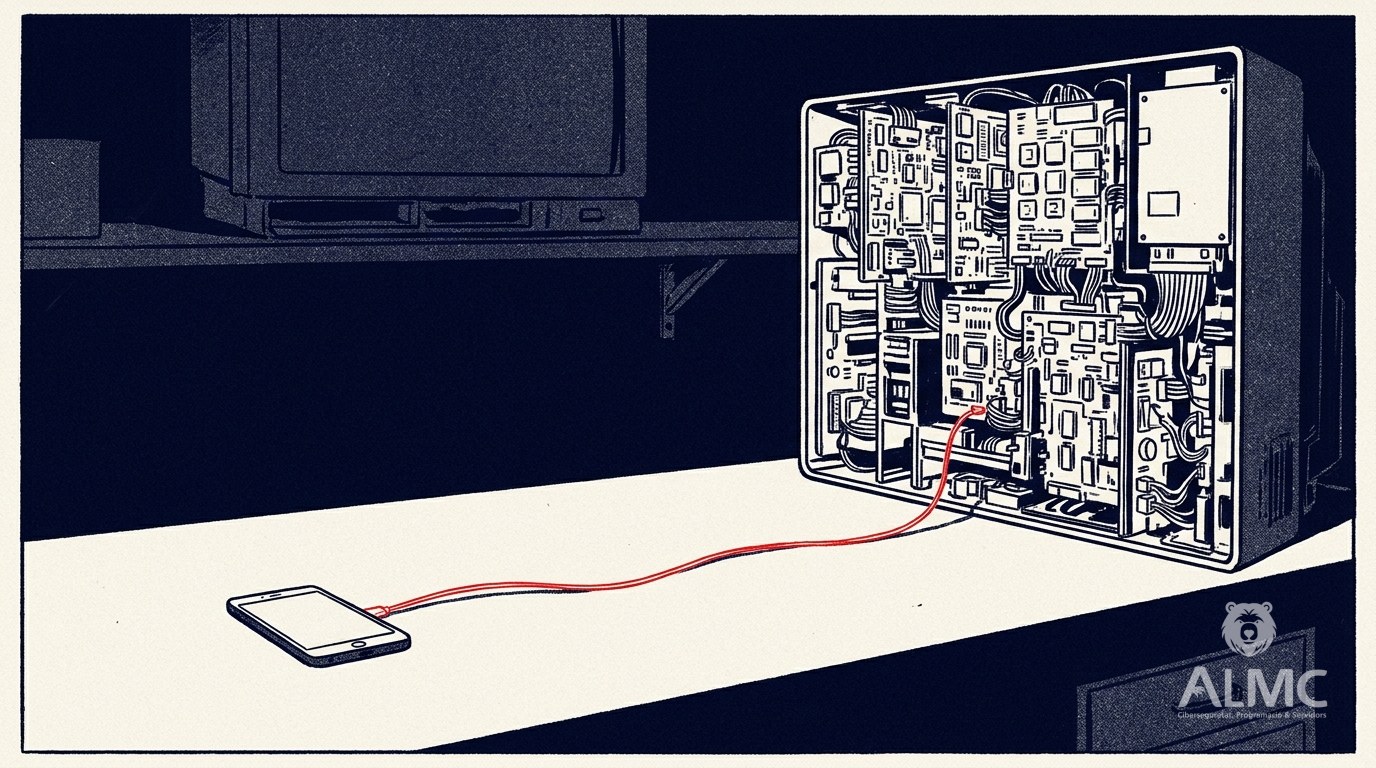
This is where a specialist mobile development partner fits naturally. At ALMC.es we build custom iOS and Android applications that take a business from the idea to publication in the stores, and a growing share of that work involves talking to physical hardware. Below we set out what a connected product really consists of, what an app team needs from you, and which European rules you should already be factoring in.
The three parts of a connected product
A connected product is rarely one thing. It is usually three, each requiring a different kind of supplier:
- The device. Electronic design, the board, the firmware and the radio connectivity: Bluetooth, wifi, NFC, LoRa or NB-IoT, along with the certifications that go with them. This is the territory of electronics engineering firms or your own R&D department.
- The platform. Data reception, fleet management, dashboards and integrations with other business systems. Usually handled by an IoT platform provider or a cloud software team.
- The app. Setup and commissioning, day-to-day control, data consultation, alerts and firmware updates. This is where a mobile development studio with hardware experience comes in.
Very few companies do all three well, and that is fine. The useful question before you start calling suppliers is not "who does everything?" but "which of these three do I still need?". If you already have your own engineering, the app, and sometimes the platform, is what remains.
What an app team needs from your hardware
A common misconception is that the app developer must know your device inside out from day one. In practice, a competent mobile team can connect to almost any equipment provided it has the right documentation. Specifically:
- The communication protocols the device uses.
- The message formats and command structure.
- The security model: pairing, authentication, encryption and key management.
With that in hand, the app can also take on responsibilities that customers expect by default. It can guide a non-technical user through pairing over Bluetooth, wifi or NFC, configure the device for the local network, and deliver over-the-air firmware updates without a technician on site. Each of these features has implications for testing, so plan for real devices on the bench rather than simulators alone.
Where the mobile app adds commercial value
For a manufacturer, the app is not a technical accessory. It is the interface through which the customer judges the product. A well-built app reduces support calls, shortens installation time and creates a direct channel to the end user. For a startup building a connected service, the app is often where the subscription, the account and the data history live, which makes it central to the business model rather than an afterthought.
This is also why we approach custom mobile development as a product exercise, not just a coding one. Decisions about onboarding, permissions, offline behaviour and notification strategy shape adoption far more than the choice of framework.
Compliance is no longer optional
Connected devices now sit under a tightening European framework, and the app is part of the compliance story. Radio equipment with internet connectivity has been subject to cybersecurity requirements under the Radio Equipment Directive since August 2025. The Cyber Resilience Act then applies in full from December 2027, covering products with digital elements throughout their lifecycle.
For anyone building in Spain, this sits alongside the GDPR. An app that collects telemetry, user accounts or location data must handle consent, retention and data subject rights properly, and the privacy work should start at design time rather than before launch. In Catalonia, businesses in Barcelona, Lleida, Tarragona and Girona are subject to the same rules, and the Spanish data protection authority has shown little patience for apps that treat privacy as a formality.
How to choose the right partner
Rather than searching for a single supplier who claims to cover everything, map your gaps first. If you need to design a device from scratch, you need an electronics engineering firm. If you need to manage thousands of units in the field, you need a platform. If what you need is the piece your customer holds in their hand, look for a mobile team that has connected to hardware before and can show you how they test it.
At ALMC.es we work on that third piece: custom applications for iOS and Android, from the first sketch to publication in the App Store and Google Play, with the maintenance that follows. If your device is ready and the app is not, that is a conversation worth having.
Related
- 10 Mobile App Ideas to Transform Your Business in 2025
- The Mobile App Boom: Why Your Business Needs a Custom App in 2025
- Monetising Mobile Apps: Key Business Models for 2025
- Chatbot IA
Put these ideas into practice
Talk to ALMC about a solution for your business. Explore your options or contact our team.