
Local stock, faster delivery: what marketplaces teach online shops
Local stock, faster delivery: what marketplaces teach online shops
The bar for online shopping in Spain has moved againSomething has shifted in how Spanish consumers judge an online store. Not long ago, a reasonable p...
The bar for online shopping in Spain has moved again
Something has shifted in how Spanish consumers judge an online store. Not long ago, a reasonable price and a working checkout were enough. Today, shoppers in Barcelona, Madrid, Valencia, Sevilla and Murcia can already receive selected orders the next day from large international platforms, and that expectation travels. A customer who buys from a marketplace on Monday and gets a parcel on Tuesday will compare your shop against that experience on Wednesday.
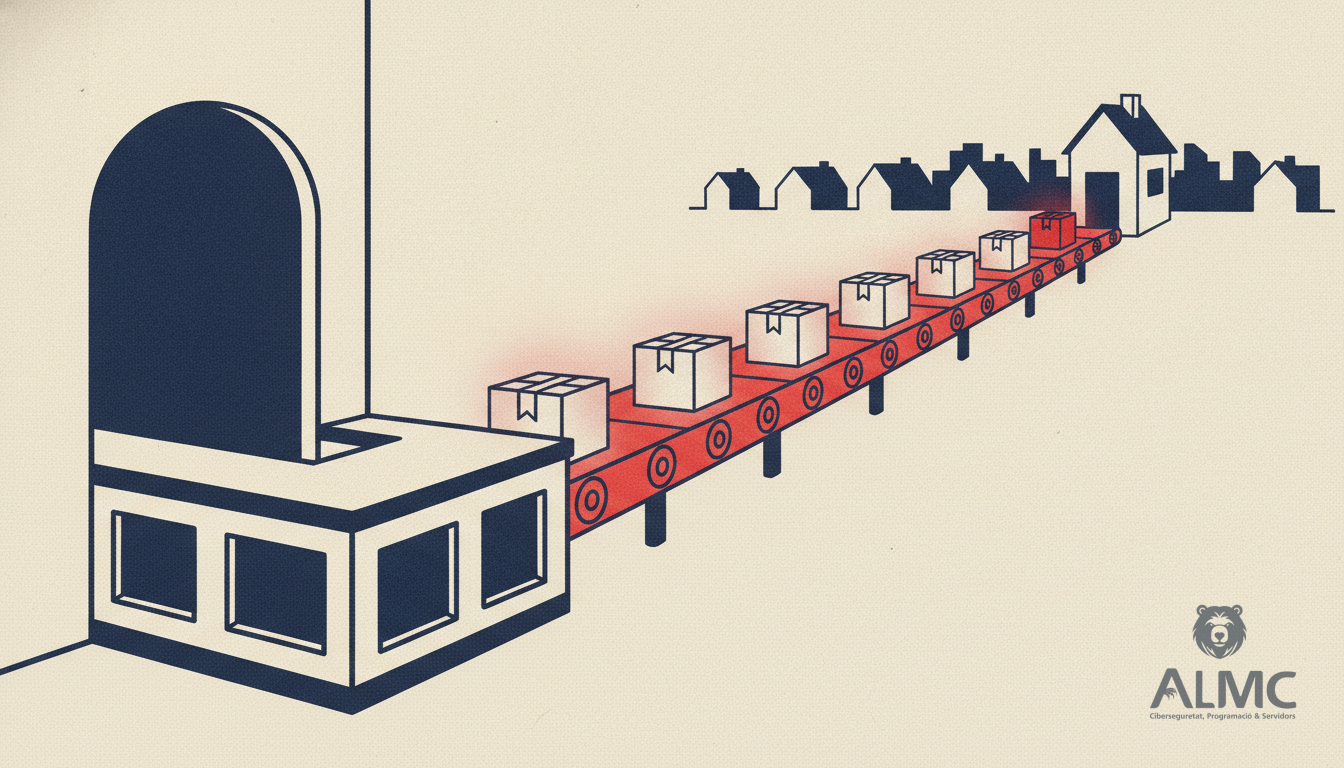
That does not mean every comercio in Lleida, Tarragona or Girona needs a warehouse network. It means the competitive ground has moved towards three things: proximity of stock, reliability of delivery and a reason to come back. The good news is that all three can be built into a well-designed online store, whatever your size.
Why local inventory beats long-distance promises
The most interesting lesson from the big players is not about discounts. It is about where the goods sit. Moving stock closer to the buyer — into regional warehouses, into partner logistics, sometimes into the shop itself — shortens the last mile and turns a vague delivery estimate into a concrete promise. For a Spanish retailer, this is more achievable than it sounds.
- Start with what you already have. If you run a physical shop, its back room is a fulfilment centre. Connecting your point of sale to your ecommerce platform means stock levels are shared and you stop overselling.
- Be honest about lead times. A clear "delivered in 48 hours to mainland Spain" converts better than an optimistic promise that arrives late and triggers a return.
- Use local carriers deliberately. National and regional couriers often outperform on cost and handling for medium volumes, and their tracking data feeds directly into your order notifications.
None of this requires a multinational budget. It requires an online store built so that stock, orders and shipping rules talk to each other instead of living in separate spreadsheets.
Peak season is a design problem, not a luck problem
Every November, online shops in Catalonia face the same test: Black Friday, then the Christmas run-up, then the January sales. Marketplaces prepare for these peaks months in advance, adjusting stock forecasts and logistics capacity. Smaller merchants can borrow the discipline without the scale.
Prepare your platform, not just your promotions. Cache configuration, image optimisation and a checkout that survives a traffic spike matter more than an extra banner. Test your payment gateways under load, confirm your hosting can scale, and make sure your stock feed updates in near real time so a bestseller does not sell out silently. A store that stays fast and accurate during its busiest week earns trust that no discount can buy.
Loyalty is built after the first sale
The most quoted line from the marketplace playbook is the ambition to be chosen for the long term rather than once. That is a useful reframe for any ecommerce project. Free membership tiers and extra discounts are one route, but smaller shops have advantages that platforms struggle to match: knowledge, proximity and personality.
- Reward repeat buyers with something only you can offer — early access, a repair service, a local pick-up option.
- Make returns simple and clearly explained, in Spanish and Catalan if that is how your customers speak.
- Collect consent properly under GDPR, then use that permission to send genuinely useful messages rather than a weekly blast.
Conversion optimisation is not only about the checkout button. It is about the whole loop: a product page that answers real questions, delivery information that removes doubt, and a post-purchase experience that makes the second order easier than the first.
Choosing the right foundation
Whether PrestaShop or WooCommerce suits you depends on your catalogue, your team and your growth plans. PrestaShop offers a mature ecommerce core with strong European roots and a wide module ecosystem; WooCommerce integrates naturally with WordPress content and gives marketing teams flexibility. Both can be tailored — custom modules, bespoke checkout flows, ERP and invoicing connections, payment methods common in Spain such as Bizum or local card acquiring.
What matters is that the platform is treated as infrastructure, not a template. A store that genuinely sells is one where the catalogue, the logistics rules, the analytics and the marketing tools are designed together from the start, and where performance is measured in completed orders rather than page views.
At ALMC we build and maintain online shops on PrestaShop and WooCommerce for businesses across Catalonia, with the full stack around them: hosting, security, backups, SEO and conversion work. If your store is ready for the next level of expectation, that is the conversation worth having.
Related
- WooCommerce vs PrestaShop: Which Ecommerce Platform Wins in 2025?
- CRO for Ecommerce: Turning WooCommerce and PrestaShop Templates into Sales Engines
- Agentic Commerce: How AI Agents Are Rewriting the Rules of Online Shopping
- Desarrollo web
Put these ideas into practice
Talk to ALMC about a solution for your business. Explore your options or contact our team.