
Black Friday pricing: build trust with an honest online shop
Black Friday pricing: build trust with an honest online shop
Black Friday has outgrown the single dayWhat began as a Friday-after-Thanksgiving ritual in the United States has become, in Spain, a commercial seaso...
Black Friday has outgrown the single day
What began as a Friday-after-Thanksgiving ritual in the United States has become, in Spain, a commercial season rather than a date. Consumers in Barcelona, Lleida, Tarragona and Girona now plan purchases weeks ahead, waiting for the fourth Friday of November to buy technology, fashion, homeware, beauty or experiences. Retailers respond by stretching campaigns across days and sometimes weeks, and online shops and marketplaces compete on the size of the number printed next to the old price.
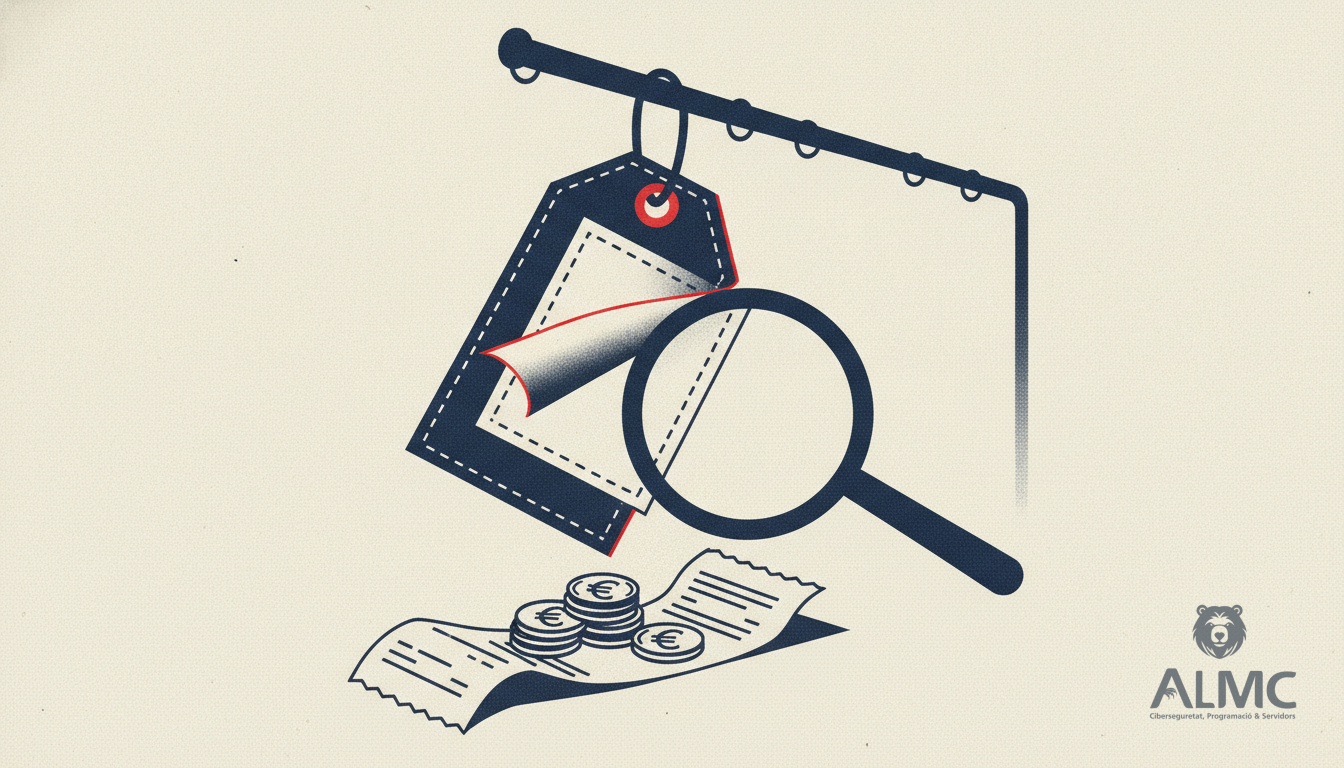
That pressure to show a dramatic figure is exactly where trust is won or lost. A discount that looks spectacular but does not hold up under scrutiny damages far more than a single sale: it erodes the credibility that an ecommerce business spends years building.
What the data actually says about those headline discounts
Consumer organisations have repeatedly looked behind the labels. One widely cited analysis of thousands of electronics and appliance products across dozens of online stores found that only a minority of items were genuinely cheaper during the campaign than at their lowest price in the preceding weeks. A larger share had actually gone up in price, and the rest stayed exactly the same. The conclusion is uncomfortable but useful: many advertised reductions are, at best, a return to a normal price.
For a shop owner, this is not a reason to copy the practice. It is a reason to differentiate. Shoppers are becoming more sceptical, and the ones who compare price histories before buying are precisely the ones worth keeping.
The rules in Spain and the EU are clearer than many shops assume
Spanish retail law, aligned with European consumer price-indication rules, requires that any advertised reduction shows the previous price alongside the reduced one. More importantly, the reference price must be the lowest price the item has had in the thirty days before the promotion. In practice, that means a shop cannot inflate a price in early November and then present a fall back to the original level as a bargain.
Compliance is not only a legal matter. It has a technical dimension that many ecommerce teams underestimate:
- Price history must be stored reliably. If your platform does not keep a clean, auditable record of past prices, you cannot prove what the reference price was.
- Promotional pricing needs rules, not manual edits. Bulk changes made by hand are where errors and inflated reference prices creep in.
- Discount labels must reflect real calculations. A crossed-out figure generated automatically from the wrong field is a compliance risk and a reputational one.
Under GDPR, any customer data collected during a campaign — alerts, wishlists, abandoned carts — must be handled with the same care. A campaign is a data-processing event, and it should be designed as one.
Transparency as a conversion strategy, not a legal chore
There is a persistent myth that honest pricing converts worse. In our experience building online shops for merchants and brands across Catalonia, the opposite tends to hold over time. Clear reference prices, visible savings in euros and a straightforward returns policy reduce hesitation at checkout and, crucially, reduce returns and complaints afterwards. A customer who feels tricked does not come back in January; a customer who feels fairly treated often does.
This is where the platform matters. A standard template shop can display a discount, but it rarely gives you the control to manage price history, schedule campaigns by category, apply rules per customer group or measure which promotions actually produced margin rather than just traffic. Building on PrestaShop or WooCommerce with custom development lets you define those rules once and let the system enforce them, rather than relying on someone remembering to check a spreadsheet the night before the campaign.
What a trustworthy Black Friday setup looks like
A well-prepared online shop handles the season with a handful of deliberate decisions:
- Keep a permanent, exportable log of price changes per product, so the thirty-day reference is never in doubt.
- Automate discount labels so the percentage shown is calculated from the true reference price.
- Test the checkout under campaign load before the traffic arrives, not during it.
- Make delivery times, stock levels and return conditions visible on the product page, in euros and in plain language.
- Measure conversion and margin per campaign, not just visits and orders.
None of this is exotic. It is the ordinary discipline of a professional ecommerce stack — the same discipline that separates a shop that sells all year from one that only performs when a big red banner is on the homepage.
Building the shop that can prove it
At ALMC.es we build online shops that genuinely sell: PrestaShop and WooCommerce solutions tailored to each business, conversion optimisation, and the full stack needed to compete in ecommerce without cutting corners on transparency. If your next campaign is going to be judged on whether the discount is real, it is worth making sure your platform can answer that question clearly — for your customers, and for the regulator.
Related
- WooCommerce vs PrestaShop: Which Ecommerce Platform Wins in 2025?
- CRO for Ecommerce: Turning WooCommerce and PrestaShop Templates into Sales Engines
- Agentic Commerce: How AI Agents Are Rewriting the Rules of Online Shopping
- Desarrollo web
Put these ideas into practice
Talk to ALMC about a solution for your business. Explore your options or contact our team.