
VeriFactu: Common Pitfalls and How to Avoid Them
VeriFactu: Common Pitfalls and How to Avoid Them
Why VeriFactu Compliance Cannot WaitAlthough the Spanish government has postponed the mandatory implementation of VeriFactu to 2027, the risks of negl...
Why VeriFactu Compliance Cannot Wait
Although the Spanish government has postponed the mandatory implementation of VeriFactu to 2027, the risks of neglecting your current invoicing system are already significant. Many businesses in Lleida, Barcelona, Tarragona, and Girona are unaware that a flawed setup today can lead to severe penalties, operational inefficiencies, and reputational damage tomorrow. The Spanish Anti-Fraud Law (Ley Antifraude) and the VeriFactu regulations demand that invoicing software guarantees inalterability, sequential numbering, and automatic submission to the AEAT. Ignoring these requirements now is a gamble that few can afford.
The Hidden Costs of Non-Compliance
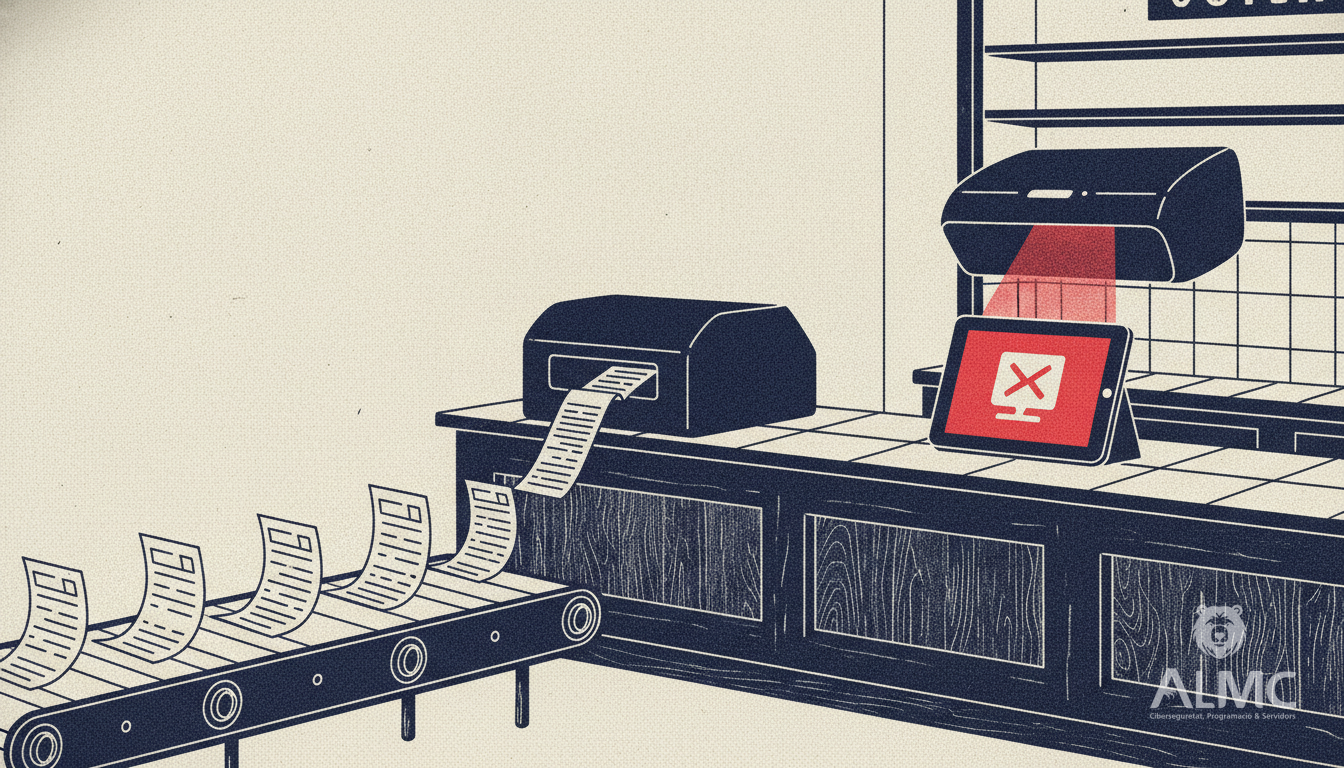
Failing to address VeriFactu issues can result in fines of up to €50,000 per year, but the financial penalties are only part of the story. A system that generates errors—such as invalid QR codes or incorrect invoice series—can lead to rejected invoices, especially when dealing with other businesses or public administrations. This directly impacts your cash flow and can strain supplier relationships. Moreover, during a tax inspection, a non-compliant system invites deeper scrutiny, increasing the likelihood of audits and additional sanctions. Beyond the monetary aspect, your business reputation suffers. Clients and partners may perceive disorganisation and unreliability, eroding trust that took years to build.
Common Technical and Operational Pitfalls
VeriFactu problems typically fall into two categories: technical errors and operational mismanagement. Technical errors include XML format rejections, rounding discrepancies, and connection or certificate issues (such as error 3000 for duplicate records). Operational errors stem from human mistakes, such as breaking the correlation of invoice series, issuing incorrect corrective invoices, or failing to properly break down VAT. These issues often cascade: a small technical glitch can trigger a series of administrative headaches, from customer complaints to additional administrative work.
Choosing the Right Software: A Critical Decision
The root cause of many VeriFactu failures is selecting software that does not fully comply with Royal Decree 1007/2023 or does not fit your business needs. A compliant solution must generate the correct QR code, create immutable records, and provide a responsible declaration submitted to the AEAT. If a provider cannot supply this declaration, it is a red flag. Additionally, the software should align with your sector's specific requirements—a hospitality POS system has different needs from a consultant's invoicing tool. Before committing, ask potential providers: Can invoices be deleted or modified? If the answer is yes, the software is illegal under VeriFactu. Seek reviews from other users, test the support responsiveness, and request a full demo to simulate your daily operations, including creating clients, issuing invoices, and handling corrective invoices.
Mastering Invoice Series and Numbering
Incorrect management of invoice series is a frequent source of VeriFactu issues. The regulations are strict about sequential numbering: gaps, using the same series for ordinary and corrective invoices, or allowing manual edits are all violations. To prevent this, plan your series structure in advance with your advisor. For example, use "VFT25-A" for invoices from POS A and "VFR25-A" for corrective invoices from the same POS. Configure the series carefully with your provider's support, and choose software that enforces numbering rules and alerts you to inconsistencies. A robust system will prevent manual changes and ensure compliance by design.
Preparing for 2027: A Strategic Approach
With the deadline extended, you have time to act, but procrastination is costly. Start by evaluating your current invoicing software against VeriFactu requirements. If it falls short, migrate to a compliant solution like VeriFactu from ALMC. This tool ensures legal electronic invoicing, immutable records, and automatic submission to Hacienda, tailored for freelancers, SMEs, and accounting firms across Spain. By addressing these pitfalls now, you avoid last-minute rushes, safeguard your cash flow, and maintain your business reputation. Remember, compliance is not just about avoiding fines—it is about building a resilient, efficient, and trustworthy operation.
Related
- VeriFactu AEAT: A Complete Guide for Spanish Businesses
- VeriFactu for Freelancers: Deadlines, Requirements and How to Prepare
- Automatización
Put these ideas into practice
Talk to ALMC about a solution for your business. Explore your options or contact our team.