
Electronic Invoicing in Spain: What SMEs in Lleida Need to Know
Electronic Invoicing in Spain: What SMEs in Lleida Need to Know
Why electronic invoicing is back on every SME's agendaFor years, electronic invoicing in Spain was something most small businesses could safely ignore...
Why electronic invoicing is back on every SME's agenda
For years, electronic invoicing in Spain was something most small businesses could safely ignore. It applied mainly to suppliers billing public administrations, and everyone else carried on printing, signing and posting paper. That comfortable position is ending. A new legal framework is extending e-invoicing to business-to-business transactions, and although the exact start date is still tied to a pending ministerial order, the direction of travel is clear. For SMEs in Lleida, Barcelona, Tarragona and Girona, the sensible move is to prepare now rather than scramble later.
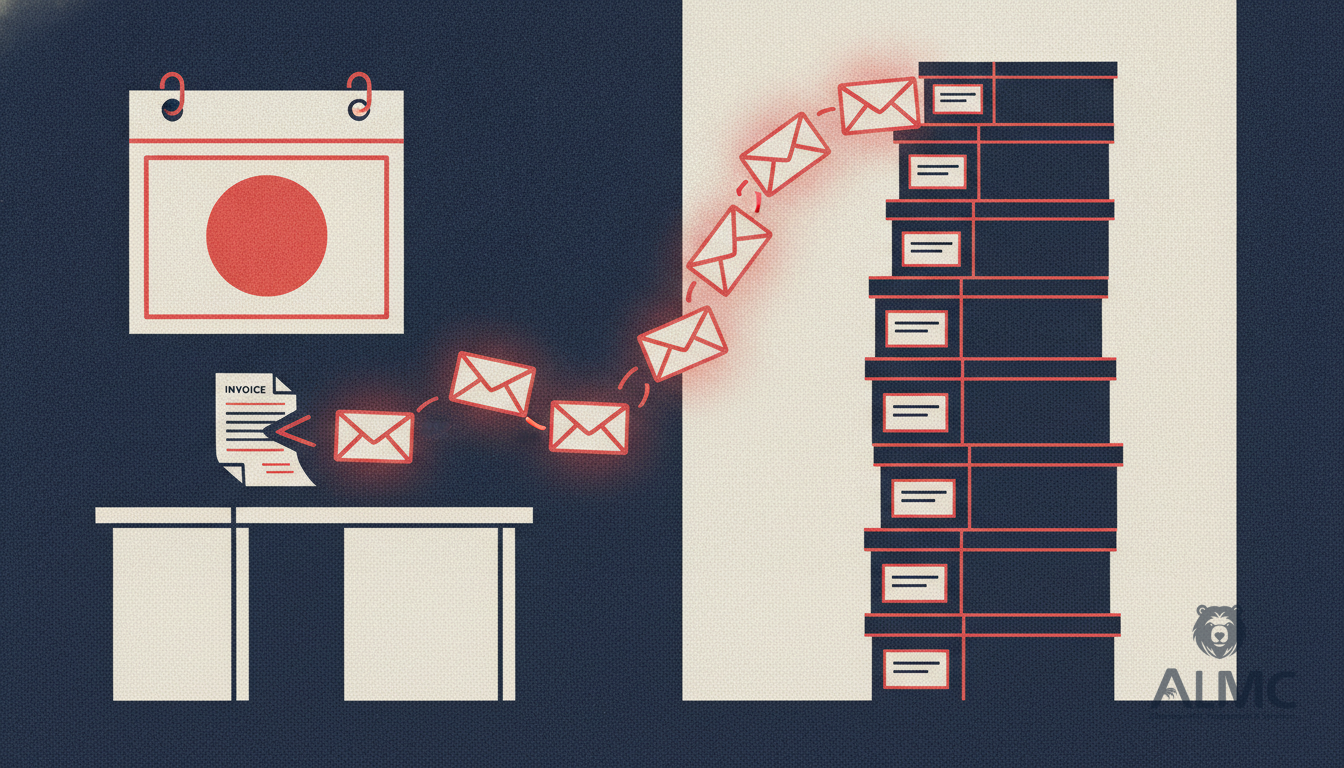
This article explains what the law actually requires, who it affects and when, and why the real challenge is not the invoice format itself but the administrative workload around it.
What the law does and does not say
It helps to separate three things that are often mixed together in conversations about e-invoicing:
- Invoicing public administrations. This obligation has been in force for years. Certain suppliers must issue electronic invoices and submit them through the official entry point of the relevant administration.
- B2B invoicing between companies and professionals. The framework approved in recent years establishes that businesses must issue, send and receive electronic invoices, and sets out technical requirements for the systems and platforms used to exchange them.
- Requirements for invoicing software. Separate rules govern the computer systems that produce invoices, including traceability and integrity requirements.
These are different regulations with different scopes and different calendars. Confusing them leads to either premature panic or, worse, complacency.
The timeline: what we know and what we don't
The B2B obligation will not switch on overnight. The current plan is progressive: larger companies, generally those with a turnover above €8 million, will be required to comply first, with the rest of businesses and self-employed professionals following later. The definitive dates only start counting once the ministerial order regulating the public e-invoicing solution enters into force, so any specific date circulating online should be treated with caution until that happens.
What matters for an SME is the practical consequence: you will have a window of roughly one to two years from that trigger. That is enough time to do it properly, but not enough to leave it to the last quarter.
Structured versus unstructured invoices
Not all digital invoices are equal. An unstructured invoice, such as a PDF or a scanned image, is simply a file. A human can read it, but software cannot reliably extract the data without extra work. A structured invoice, by contrast, carries its data in a defined format that systems can read, validate and process automatically.
This distinction is the heart of the matter. The law's ambition is not to replace paper with PDFs; it is to make invoice data machine-readable so that it can flow between systems without manual rekeying. An SME that simply emails PDFs will meet the letter of the requirement in some cases but miss the point entirely, and will keep paying the hidden cost of manual data entry.
The real cost is the admin, not the format
Ask any small business owner in Catalonia what hurts about invoicing and the answer is rarely the invoice itself. It is everything around it: chasing purchase orders, matching invoices to deliveries, entering data into the accounting package, forwarding documents to the gestoría, reconciling payments and filing everything for the VAT return and for GDPR-compliant record keeping.
Electronic invoicing, done well, removes much of that friction. Done badly, it simply moves the friction to a different screen. The difference lies in integration: whether the invoice data connects directly to your accounting, ERP or CRM, or whether someone still has to copy it across by hand.
How process automation turns compliance into an advantage
This is where automation earns its keep. Rather than treating e-invoicing as an isolated compliance project, SMEs can use it as the trigger to automate the surrounding workflow. In practice, that means:
- Connecting your invoicing tool to your accounting software so that issued and received invoices are recorded without manual entry.
- Setting up workflows that route incoming invoices to the right person for approval, with reminders if nothing happens.
- Automatically archiving documents in a structured, searchable way that supports audits and data protection obligations.
- Triggering payment reminders and reconciliation checks when an invoice is issued or received.
- Keeping a single source of truth across tools that were never designed to talk to each other.
Platforms such as n8n make this practical for small teams. They let you connect the applications you already use, such as your accounting package, email, cloud storage and CRM, and build workflows that run quietly in the background. No large IT department required; just a clear map of how your invoicing process actually works.
A sensible preparation plan for SMEs
You do not need to wait for the final calendar to start. A pragmatic sequence looks like this:
- Map your current process. Write down every step from quote to payment, including who touches each document.
- Identify the manual steps. These are your automation candidates and your future compliance risks.
- Check your software. Confirm that your invoicing and accounting tools will support structured electronic invoices and the required traceability.
- Talk to your gestoría early. They will have views on formats, filing and how they prefer to receive data.
- Automate one flow first. Start with incoming invoices or with the issue-to-accounting handoff, measure the hours saved, then expand.
Companies in Lleida and across Catalonia often find that the first automated flow pays for itself in reduced admin time within a few months, well before any legal deadline arrives.
Prepare now, comply later, benefit immediately
The e-invoicing mandate is coming, but the productivity gains are available today. Treating the law as a reason to review and automate your invoicing workflow is the smartest response: you arrive at the deadline already compliant, and you spend the intervening months saving hours every week instead of waiting for a last-minute rush.
Related
- n8n Automation Guide: Streamline Your Business Workflows in 2026
- How Much Does Process Automation Really Cost? A 2026 Guide for SMEs
- Best WordPress SEO Plugins 2026: Expert Comparison for Spanish Sites
- Chatbot IA
Put these ideas into practice
Talk to ALMC about a solution for your business. Explore your options or contact our team.