
VeriFactu AEAT: A Complete Guide for Spanish Businesses
VeriFactu AEAT: A Complete Guide for Spanish Businesses
Understanding VeriFactu: Spain's New Invoicing StandardIf you run a business or work as a freelancer in Spain, you've likely heard about VeriFactu. Th...
Understanding VeriFactu: Spain's New Invoicing Standard
If you run a business or work as a freelancer in Spain, you've likely heard about VeriFactu. This system, developed by the Spanish Tax Agency (AEAT), is set to transform how invoices are issued and reported. In simple terms, VeriFactu is a framework that requires electronic invoicing software to send records of every invoice to the tax authority automatically and securely. This means that when you issue an invoice using compatible software, the data is transmitted to the AEAT without any manual steps on your part.
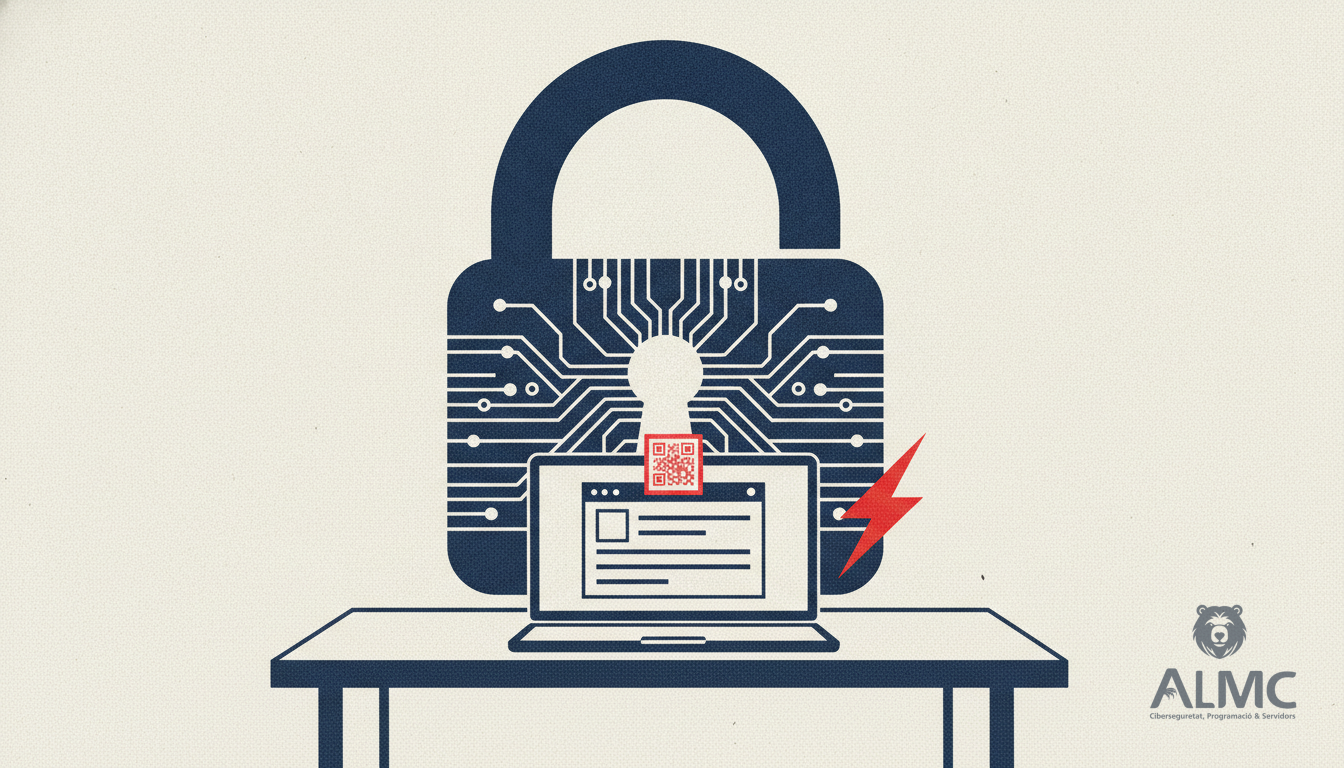
The system is part of a broader effort to digitalise tax administration in Spain, ensuring that all transactions are transparent and easily traceable. While the idea might sound technical, its purpose is straightforward: to reduce fraud, streamline tax compliance, and make life easier for businesses and self-employed professionals.
Why VeriFactu Matters for Your Business
VeriFactu is not just another bureaucratic hurdle. It brings tangible benefits that can positively impact your daily operations. For starters, it automates the process of sending invoice data to the tax office, freeing up time that you would otherwise spend on manual submissions. This automation also reduces the risk of errors and helps you avoid penalties by ensuring that you always meet your reporting obligations.
Moreover, having all your invoicing data centralised and verifiable simplifies audits and any interactions with the AEAT. You gain peace of mind knowing that your records are accurate and compliant, which is especially valuable in a country where tax regulations are strictly enforced.
Key Deadlines: When Does VeriFactu Become Mandatory?
One of the most common questions is about the timeline. The good news is that the government has delayed the mandatory implementation to give businesses more time to adapt. If you are a company (a legal entity), you will need to comply with VeriFactu from 1 January 2027. For self-employed individuals (sole traders), the deadline extends to 1 July 2027. If you start your business after these dates, you must comply from day one.
The postponement, which came after two consecutive extensions, was driven by the technical complexity involved in updating existing invoicing systems. Software providers and businesses alike need to integrate features such as inalterable records, digital signatures, QR codes, and direct integration with the AEAT. This extra time is an opportunity to prepare without rushing.
Who Is Affected by VeriFactu?
VeriFactu applies to all businesses and self-employed professionals who issue invoices electronically in Spain. There are, however, some regional exceptions. The Basque Country has its own system called TicketBAI, and Navarra, Ceuta, and Melilla also have separate arrangements. For the rest of Spain, including Catalonia, VeriFactu will be the standard.
It is important to note that VeriFactu is not just for large corporations. Small businesses and freelancers, who are the backbone of the Spanish economy, are equally affected. Whether you are a consultant in Barcelona, a small retailer in Lleida, or a freelancer in Tarragona, you will need to ensure that your invoicing software is VeriFactu-compliant.
Technical Requirements for Compliant Invoicing Software
To comply with VeriFactu, your invoicing software must meet specific technical standards. These requirements are designed to guarantee the integrity and traceability of each invoice. Key features include:
- Inalterable records: Once an invoice is issued, its data cannot be modified or deleted without leaving a trace.
- Digital signature: Each invoice must be signed digitally to verify its authenticity.
- QR code: Invoices should include a QR code that allows the AEAT to quickly verify the invoice's details.
- Automatic transmission: The software must send the invoice records to the AEAT automatically, without requiring manual intervention.
These features ensure that every transaction is recorded securely and can be easily audited. The AEAT has also announced that it will provide access to a free VeriFactu tool, which can help smaller businesses comply without incurring additional software costs.
How to Prepare for VeriFactu
Preparation is key to a smooth transition. Start by reviewing your current invoicing process and software. If you are using a manual system or a basic tool that does not support electronic invoicing, now is the time to upgrade. Look for software that is specifically designed to be VeriFactu-compliant, as this will save you from potential headaches later.
For businesses in Catalonia, including those in Girona, Tarragona, and Lleida, it is also wise to consult with a local IT or digital services provider who understands the regional context. They can help you choose the right solution and ensure that your systems are configured correctly.
The Role of Professional Guidance
Navigating new regulations can be daunting, especially when they involve technical aspects. That's where professional guidance comes in. At ALMC.es, we specialise in helping businesses adapt to digital changes. Our team can assist you in implementing a VeriFactu-compliant invoicing system that not only meets legal requirements but also enhances your operational efficiency. We understand the nuances of the Spanish market and can tailor solutions to your specific needs.
Don't wait until the last minute. Start preparing today to ensure that your business is ready for VeriFactu. With the right approach, this new regulation can become an opportunity to streamline your invoicing and improve your compliance posture.
Related
Put these ideas into practice
Talk to ALMC about a solution for your business. Explore your options or contact our team.