
Ecommerce logistics in Spain: winning the last mile
Ecommerce logistics in Spain: winning the last mile
Why the last mile decides who wins in Spanish ecommerceIn Spain, the moment of truth for an online shop rarely happens on the product page. It happens...
Why the last mile decides who wins in Spanish ecommerce
In Spain, the moment of truth for an online shop rarely happens on the product page. It happens when the customer opens the door. The logistics sector has been making this point loudly: at the recent UNO national logistics awards in Madrid, industry leaders argued that no growth strategy reaches its full potential without efficient logistics. That message matters just as much for a small merchant in Lleida as for a large retailer with a national footprint.
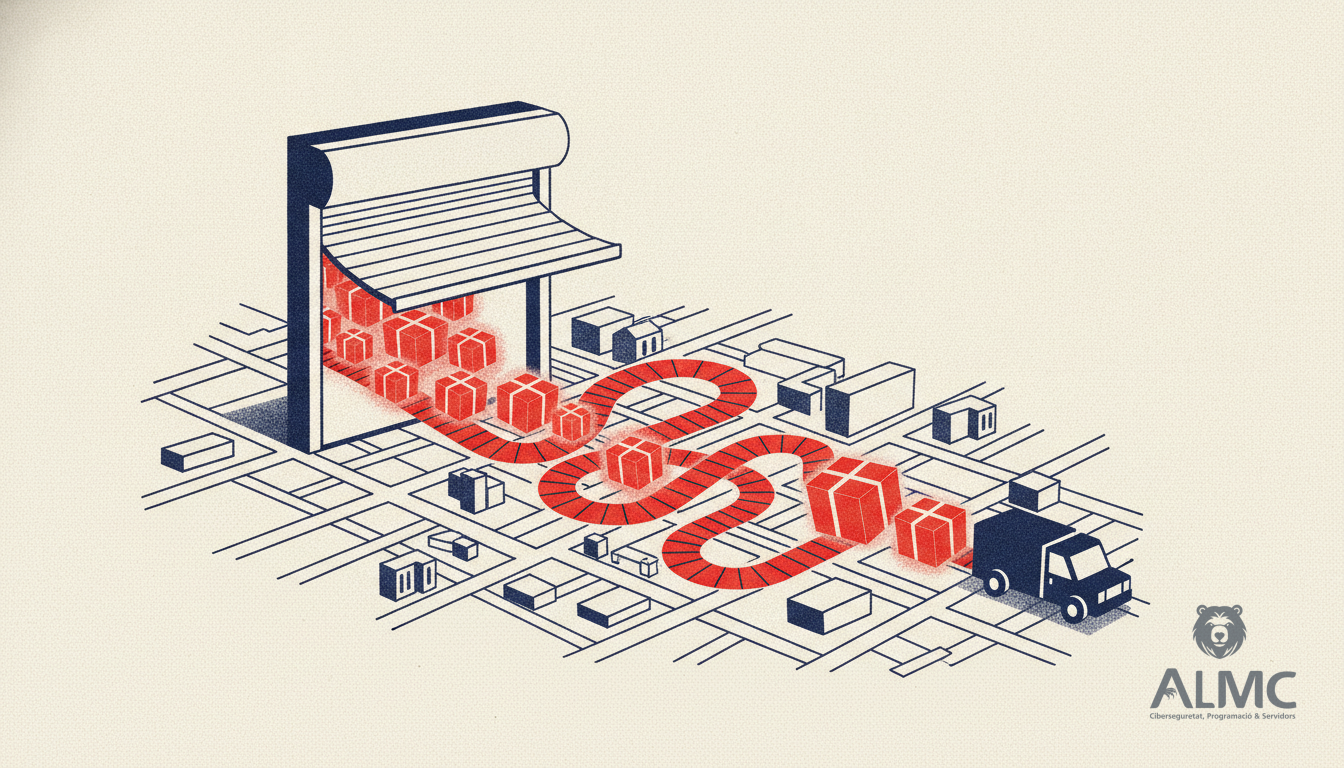
For shops and brands selling online across Catalonia and Spain, the practical conclusion is simple. A beautiful storefront gets you the first order; a reliable, transparent and affordable delivery experience gets you the second one. This is where ecommerce and logistics stop being separate departments and become a single customer journey.
What recent logistics investment tells online merchants
The awards highlighted several directions that are reshaping fulfilment in Spain, and each has a direct read-across for ecommerce operations:
- Proximity beats distance. New regional logistics platforms are cutting delivery times from days to hours in their catchment areas. For an online shop, that means customers increasingly expect next-day or even same-day options, at least in major urban areas.
- Sustainability is now a purchasing factor. Efficient routing, energy-efficient warehouses and lower emissions are being rewarded by both regulators and customers. Offering greener delivery options is becoming a differentiator, not a footnote.
- Automation pays off at scale. Robotic picking and smarter stock management reduce errors and speed up order flow. Smaller merchants can borrow the same principles with better inventory data and integrated fulfilment tools.
- Resilience is a strategy. Humanitarian logistics has shown how flexible supply chains can respond under pressure. Online retailers face their own pressure points: peak season, carrier strikes and stock shortages.
From warehouse to checkout: where an online store makes the difference
Logistics excellence upstream is wasted if the online store does not communicate it clearly. This is the gap we see most often when auditing ecommerce projects at ALMC.es. The warehouse is ready, the carrier is booked, but the checkout still hides delivery dates, charges surprise fees or fails on mobile.
A well-built online store turns logistics into a visible advantage. With PrestaShop or WooCommerce tailored to your catalogue and your carriers, you can:
- Show realistic delivery estimates by postcode, so customers in Barcelona, Tarragona, Girona or Lleida know what to expect before paying.
- Offer pickup points and local collection, which reduce failed deliveries and lower shipping costs.
- Automate order status updates and tracking, cutting support tickets and building trust.
- Apply conversion optimisation to the checkout flow, because every abandoned cart is a logistics cost that never becomes revenue.
Localisation matters: Spain is not a single market
Selling online in Spain means handling regional realities. Delivery expectations differ between dense city centres and rural areas. Payment preferences vary. And under GDPR, customer data used for delivery notifications and tracking must be handled with clear consent and secure systems.
For merchants in Catalonia, there is an additional layer: communicating in Catalan and Spanish where appropriate, managing returns across regional borders, and integrating with local carriers that know the territory. A generic template store rarely handles this well. A customised ecommerce stack does.
The full stack behind a store that actually sells
Conversion optimisation does not live in the theme alone. It depends on page speed, hosting quality, secure payments, structured product data and reliable integrations with ERP and logistics providers. This is why we treat an online store as a complete stack rather than a website with a cart bolted on.
When the store, the stock system and the carrier speak the same language, the effects are tangible: fewer manual errors, faster dispatch, clearer delivery promises and a customer experience that survives the last mile. In a market where logistics leaders are investing heavily to shorten delivery times and reduce emissions, your online store should be the place where those gains become visible to the buyer.
A practical checklist before your next peak season
- Audit your checkout on mobile and measure where customers drop off.
- Display delivery dates and costs early, not at the final step.
- Integrate tracking updates automatically to reduce support load.
- Review your hosting and page speed, especially during traffic spikes.
- Check GDPR compliance for customer data used in delivery communications.
- Test your returns process as rigorously as your sales process.
Logistics may move economies, as the sector itself likes to say, but in ecommerce it also moves trust. Building an online store that reflects your operational reality is the most direct way to turn that trust into repeat sales.
Related
- WooCommerce vs PrestaShop: Which Ecommerce Platform Wins in 2025?
- CRO for Ecommerce: Turning WooCommerce and PrestaShop Templates into Sales Engines
- Agentic Commerce: How AI Agents Are Rewriting the Rules of Online Shopping
- Desarrollo web
Put these ideas into practice
Talk to ALMC about a solution for your business. Explore your options or contact our team.