
Why delivery capacity is now the backbone of your online shop
Why delivery capacity is now the backbone of your online shop
Delivery is no longer an afterthoughtFor years, online shops treated shipping as a cost line to squeeze at the end of the month. That logic is quietly...
Delivery is no longer an afterthought
For years, online shops treated shipping as a cost line to squeeze at the end of the month. That logic is quietly collapsing. Across Europe, the largest marketplaces are locking in multi-year logistics agreements, complete with guaranteed capacity, revised pricing formulas and service-level commitments. When the giants sign contracts that run until the early 2030s, they are telling the rest of the market something important: fulfilment reliability has become a competitive asset in its own right.
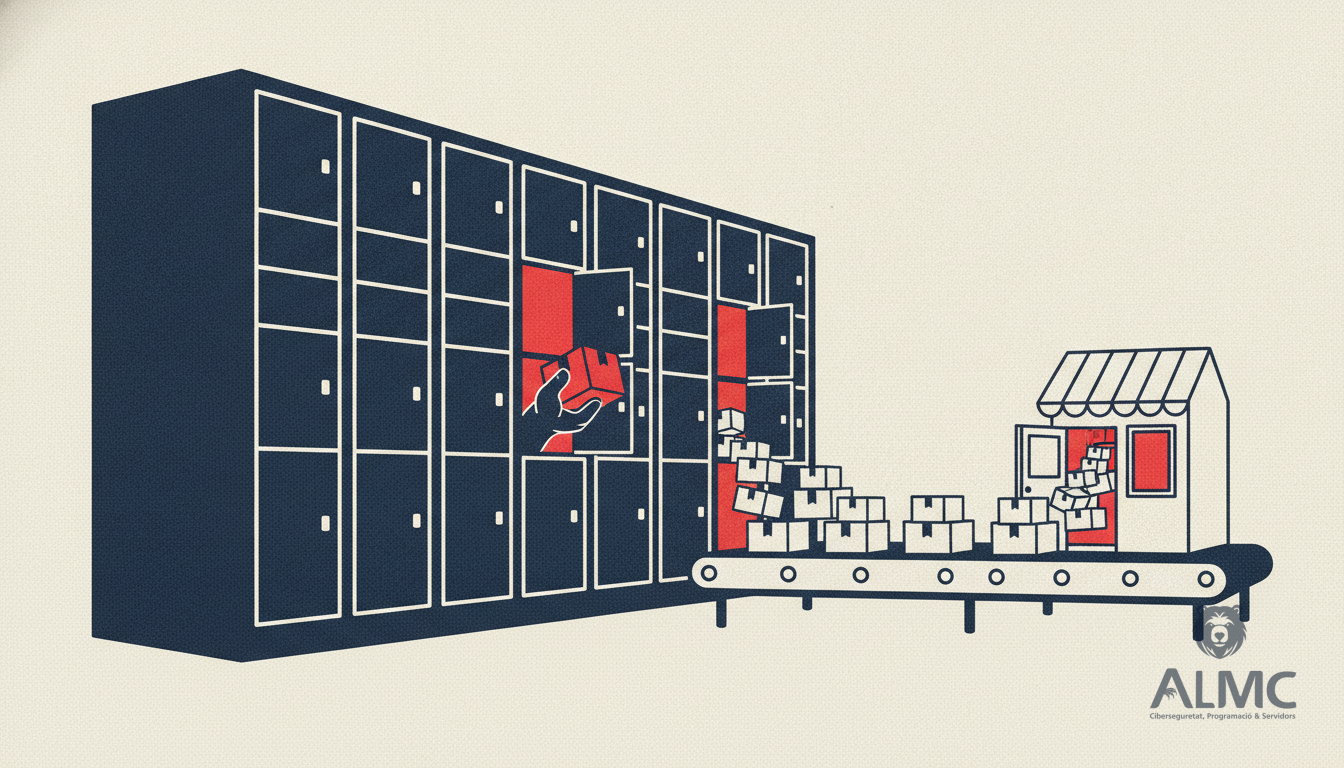
For a shop in Barcelona, Lleida, Tarragona or Girona, the lesson is not to copy those contracts but to understand the principle behind them. Buyers abandon baskets when delivery feels uncertain. They return when it feels predictable. Everything in between — checkout design, stock visibility, carrier choice — exists to close that gap.
What the big deals actually signal
Recent long-term agreements between major marketplaces and out-of-home delivery networks point to a handful of trends that affect every merchant, whatever their size:
- Capacity is negotiated, not assumed. Guaranteed volumes and locker availability are now written into contracts, because peak-season bottlenecks destroy trust faster than any price increase.
- Pricing is tied to volume. Discount structures reward scale, which means smaller shops need to be smarter about carrier mix rather than simply chasing the cheapest label.
- Out-of-home delivery is mainstream. Pick-up points and automated lockers are no longer a niche alternative; they are a core part of the last mile, and customers actively look for them at checkout.
- Stability beats improvisation. Multi-year frameworks replace rolling arrangements because predictability lets both sides plan investment.
None of this happens in a vacuum. It reflects a market where buyers compare delivery promises as carefully as they compare prices.
The Spanish context: expectations set by the marketplaces
Spanish consumers are increasingly comfortable with pick-up points, locker networks and next-day promises, particularly in dense urban areas and in Catalonia's industrial and commercial corridors. Even so, expectations vary widely between a customer in central Barcelona and one in a rural comarca of Lleida. A shop that offers a single, rigid shipping option is effectively asking part of its audience to adapt. A shop that offers choice — home delivery, locker, collection point, scheduled slots — lets the customer decide what convenience means to them.
That flexibility has to be built into the platform, not bolted on afterwards. Carrier integrations, real-time stock and delivery estimates, and clear communication at checkout are technical decisions before they are marketing ones.
Where the platform decides the outcome
This is where the choice of ecommerce stack matters more than most merchants expect. PrestaShop and WooCommerce, the two platforms we work with most at ALMC.es, can both support a serious online shop. The difference lies in how they are configured.
A PrestaShop installation with carefully selected carrier modules, zone-based pricing and a checkout that shows realistic delivery windows will outperform a generic setup every time. A WooCommerce store built on clean, well-maintained plugins and a lean checkout flow can be just as competitive, provided the catalogue, tax rules and shipping logic are modelled properly from the start. In both cases, the goal is the same: fewer surprises for the buyer and fewer manual interventions for the team.
Conversion optimisation sits on top of that foundation. Delivery cost transparency, estimated arrival dates, trust signals and a frictionless payment step all influence whether a visitor completes an order. Small changes — showing locker options earlier, clarifying return conditions, removing unnecessary form fields — often move the needle more than a full redesign.
Compliance and trust in the EU market
Spanish and Catalan merchants also operate under a strict framework. GDPR obligations apply to every piece of customer data collected during checkout, from address details to marketing consent. Cookie banners, privacy notices and data retention policies need to be implemented correctly, not copied from a template. Delivery communications, invoices and returns processes must align with consumer protection rules. Getting this right is not glamorous, but it protects the business and reinforces the sense of reliability that converts first-time buyers into repeat customers.
A practical checklist for merchants
- Review your carrier mix and negotiate terms based on realistic volumes, not optimistic projections.
- Offer at least one out-of-home delivery option and make it visible early in the checkout.
- Show delivery estimates based on actual stock and cut-off times, not generic ranges.
- Keep the platform updated and audited — outdated modules are a security and performance risk.
- Measure conversion by delivery option, not just overall, to see where friction hides.
- Document your GDPR processes and review them whenever you add a new tool or integration.
The takeaway
The logistics agreements making headlines are a symptom of a broader shift: ecommerce success now depends on the whole stack working together — platform, carriers, checkout, compliance and communication. A well-built online shop does not just display products; it makes a promise about delivery and keeps it. That is what turns a catalogue into a business.
Related
- WooCommerce vs PrestaShop: Which Ecommerce Platform Wins in 2025?
- CRO for Ecommerce: Turning WooCommerce and PrestaShop Templates into Sales Engines
- Agentic Commerce: How AI Agents Are Rewriting the Rules of Online Shopping
- Desarrollo web
Put these ideas into practice
Talk to ALMC about a solution for your business. Explore your options or contact our team.