
Selling Online in Spain: Building an Ecommerce Store That Lasts
Selling Online in Spain: Building an Ecommerce Store That Lasts
Why an online store is no longer a side projectFor most retailers and brands in Catalonia, the website stopped being a brochure years ago. It is now a...
Why an online store is no longer a side project
For most retailers and brands in Catalonia, the website stopped being a brochure years ago. It is now a sales channel with its own rules, its own costs and its own risks. The recent debate about whether a major social platform should be suspended in Spain over child safety failures is a useful reminder: if your entire commercial presence depends on someone else's algorithm, you are renting your shopfront. An ecommerce store you control — on your own domain, with your own data — is the asset that survives platform policy changes, algorithm shifts and regulatory storms.
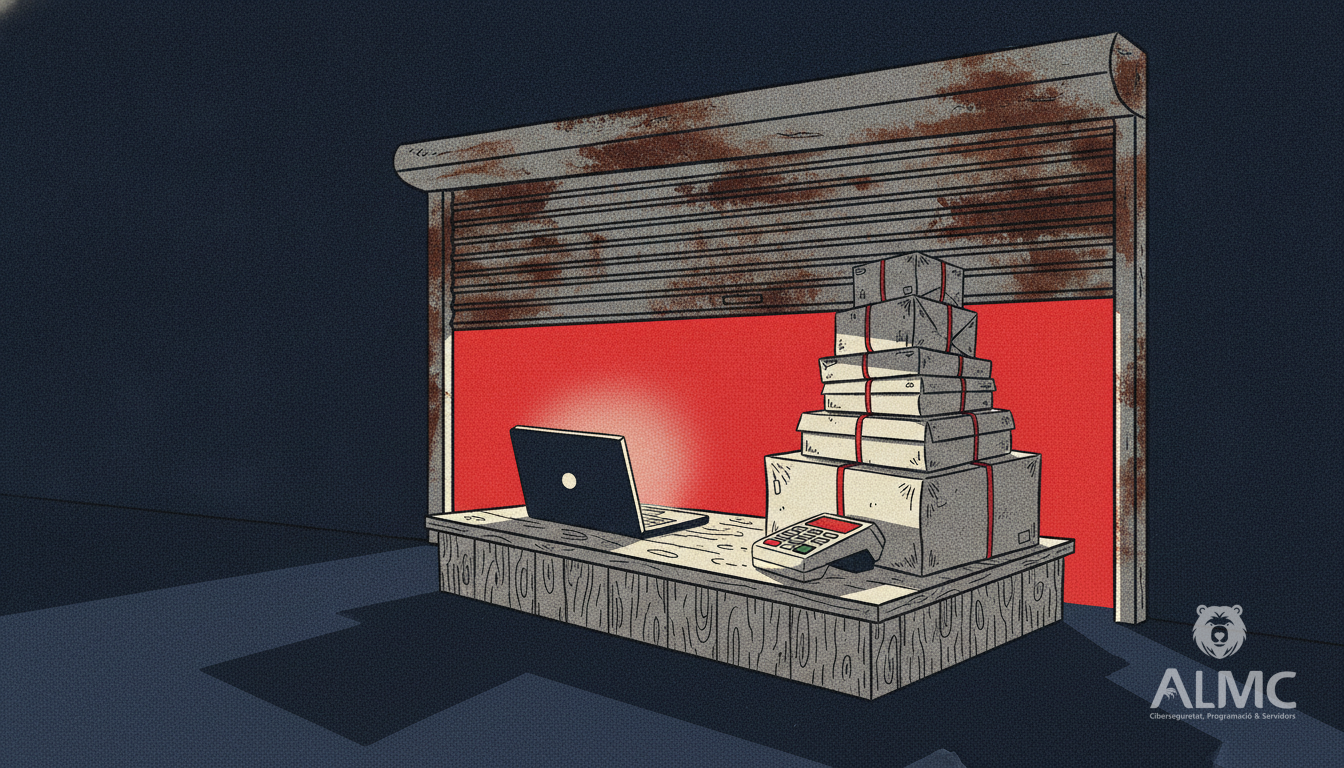
That does not mean ignoring social channels. It means treating them as traffic sources that feed a store you own, rather than as the store itself.
Choosing the right platform: PrestaShop or WooCommerce
In our experience working with shops in Lleida, Barcelona, Tarragona and Girona, the platform debate is usually framed the wrong way. The question is not which system is "better" in the abstract, but which fits your catalogue, your team and your growth plan. Both PrestaShop and WooCommerce can run a serious business; they solve different problems.
- PrestaShop tends to suit catalogues with many references, variants and combinations, where back-office efficiency and native multistore features matter. It is a solid base for B2B portals and shops that need fine-grained control over pricing rules and tax configurations.
- WooCommerce shines when content and commerce live together: a WordPress site where blog, landing pages and product pages share one ecosystem. It is flexible, well documented and easy for marketing teams to extend.
What matters far more than the logo on the box is the implementation: clean product data, a checkout that does not fight the customer, sensible caching, and a maintenance plan. A badly built store on either platform will underperform; a well built one will scale.
The parts of an online store that actually decide whether it sells
Conversion is rarely lost on the homepage. It is lost in the last three clicks. In audits of Spanish ecommerce sites we repeatedly find the same friction points:
- Checkout length and guest options. Forcing account creation before payment is still common, and still costly. Offer guest checkout and a clear progress indicator.
- Payment methods that match local habits. Cards dominate, but Bizum is now expected by a large share of Spanish shoppers, and B2B buyers often want bank transfer or financing. Missing a familiar method means losing the sale at the final step.
- Shipping clarity. Delivery cost and estimated dates should appear before the customer reaches payment, not after. Surprises at checkout are the most common cause of abandonment.
- Mobile performance. Most traffic arrives on a phone, often on mobile data. Every extra second of load time costs conversions, especially on product listing pages with heavy imagery.
- Product information quality. Dimensions, materials, compatibility and returns policy in plain language reduce both hesitation and post-sale support tickets.
Conversion optimisation is not a one-off redesign. It is a cycle: measure, hypothesise, test, keep what works. Small, disciplined changes to checkout, search and product pages usually beat large cosmetic relaunches.
Legal and operational foundations under Spanish and EU rules
An online store in Spain operates inside a dense but manageable framework. GDPR compliance is the starting point: a lawful basis for processing, a privacy policy that reflects what the store actually does, cookie consent that is genuinely optional, and data processing agreements with your hosting, payment and email providers. Beyond data protection, consumer law requires clear pre-contractual information, a defined withdrawal period and accessible return conditions. If you sell to other businesses, electronic invoicing requirements may also apply depending on your turnover and region.
These are not obstacles to growth; they are the foundations that let you scale without nasty surprises. A store designed with compliance in mind from day one is cheaper to run than one retrofitted after a complaint.
Beyond the launch: keeping the store healthy
Launch day is the beginning, not the finish. An ecommerce site needs updates, security patches, backups, monitoring and seasonal capacity planning — think Black Friday, Christmas and the January sales, when traffic can multiply in hours. It also needs someone watching the numbers: conversion rate by device, average order value, cart abandonment, return rate and the real cost of acquiring each customer.
At ALMC.es we build online stores that are meant to sell and to last: PrestaShop and WooCommerce projects tailored to each business, conversion optimisation, and the full technical stack behind them — hosting, security, maintenance and integrations. If you run a shop or a brand in Catalonia and want a store you own, control and can grow, that is exactly the conversation we like to have.
Related
- WooCommerce vs PrestaShop: Which Ecommerce Platform Wins in 2025?
- CRO for Ecommerce: Turning WooCommerce and PrestaShop Templates into Sales Engines
- Agentic Commerce: How AI Agents Are Rewriting the Rules of Online Shopping
- Desarrollo web
Put these ideas into practice
Talk to ALMC about a solution for your business. Explore your options or contact our team.