
Email AI: turn your inbox into a customer service engine
Email AI: turn your inbox into a customer service engine
Your inbox is not a to-do list, it is a queue of customersMost small and mid-sized businesses in Catalonia do not have a customer service problem. The...
Your inbox is not a to-do list, it is a queue of customers
Most small and mid-sized businesses in Catalonia do not have a customer service problem. They have an inbox problem. Orders, quotes, incidents, returns, supplier queries and the occasional newsletter all land in the same place, and a team of two or three people has to decide, dozens of times a day, what matters, what can wait and what needs a careful answer. The result is predictable: slow first replies, forgotten threads and evenings spent catching up.
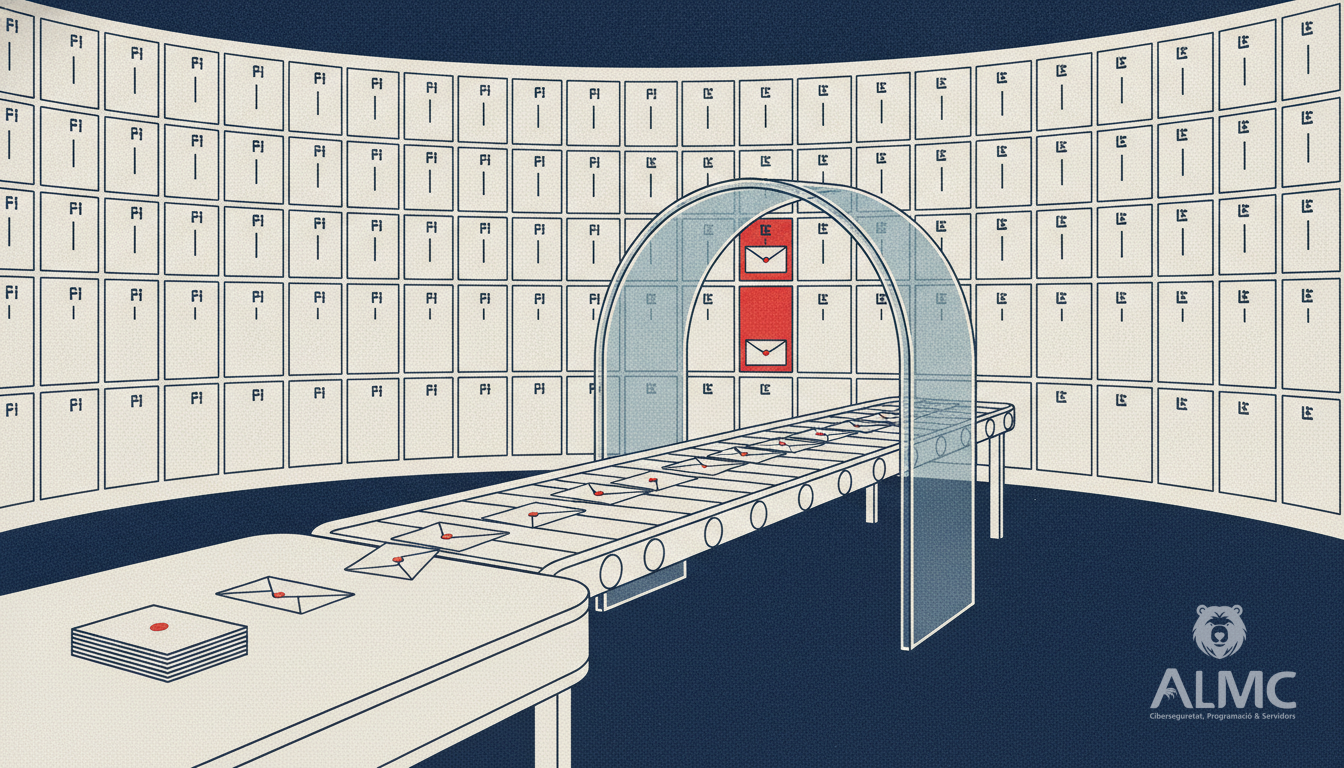
Email AI changes the shape of that job. Instead of asking your team to triage and write from scratch, an assistant reads each incoming message, classifies it, pulls the relevant history for that customer and proposes a reply you can send with a quick review. The work does not disappear, but the hours of mechanical handling do.
What the assistant actually does, step by step
It helps to think of it as three layers working together rather than a single magic button.
- Classification. Each new email is tagged by intent: new enquiry, order status, billing question, complaint, internal message, spam. Urgent items rise to the top and routine ones stop competing for attention.
- Context recovery. The assistant looks back through previous conversations, orders and notes linked to that address, so whoever answers knows what was promised last time without opening five tabs.
- Suggested replies. It drafts a response in your tone, in the right language, referencing the actual details of the case. Your agent edits, approves and sends. Nothing leaves without a human decision.
That last point matters for teams in Lleida, Tarragona, Girona and Barcelona who deal with customers in Catalan, Spanish and English on the same day. A good draft in the customer's language saves a translation step and reduces the small misunderstandings that turn into complaints.
Why this is not just another auto-responder
Traditional automatic replies are static: they fire when nobody is looking and often make the customer feel fobbed off. A contextual assistant behaves differently. It reads what the person wrote, checks what your business already knows about them, and proposes something specific. The difference between "we will get back to you" and "your replacement was dispatched yesterday and should arrive on Thursday" is the difference between a ticket and a resolved case.
For SMEs handling a high volume of mail, this is where the real saving sits. Not in typing speed, but in the number of times someone has to stop, search, reconstruct the story and then decide what to say.
Getting the data side right, with GDPR in mind
Any tool that reads customer email touches personal data, so the groundwork deserves attention before you switch anything on. Under the GDPR, you need a lawful basis for processing, a clear record of which provider handles what, and a sensible retention policy. In practice, that means choosing a solution with a data processing agreement, EU data residency where possible, role-based access so agents only see what they need, and logs of what the assistant did and when.
It also means being honest with your team. Staff should understand that the assistant proposes and they decide, and that their corrections are what make the drafts better over time. Transparency internally is as important as the privacy notice on your website.
A realistic rollout for a busy team
You do not need a six-month project. A workable sequence looks like this:
- Start with one shared inbox and one or two categories, such as order status and general enquiries.
- Run the assistant in suggestion-only mode for a couple of weeks and compare its drafts with what your team actually sends.
- Measure first-response time and the share of emails resolved in a single exchange, not just the number of messages handled.
- Expand to complaints and billing only once the tone and accuracy feel right.
This staged approach keeps risk low and gives you evidence to justify a wider deployment. It also avoids the classic mistake of automating everything at once and then discovering that the edge cases were the ones that mattered.
Where the hours come back
The gains tend to show up in familiar places: faster first replies during peak periods, fewer dropped threads when someone is on holiday, more consistent answers across the team, and quieter Monday mornings. For a small company in the Segrià or a service desk in Barcelona, recovering a few hours a week per agent is often enough to absorb seasonal peaks without hiring.
Email AI is not about replacing the people who talk to your customers. It is about removing the administrative weight around that conversation so they can spend their attention where it counts: the cases that genuinely need a human.
Related
- AI Email Management: Turn Your Inbox into a Productivity Hub
- How to Automate Customer Service with AI Without Losing Control
- Email Usability: Designing for Mobile Readers Who Click
- Automatización
Put these ideas into practice
Talk to ALMC about a solution for your business. Explore your options or contact our team.