
The Future of Checkout: What Biometric Payments Mean for Your Online Shop
The Future of Checkout: What Biometric Payments Mean for Your Online Shop
The rise of biometric payments in retailIn the UK, Revolut has recently expanded its Revolut Pay with Smile feature, allowing customers to authorise p...
The rise of biometric payments in retail
In the UK, Revolut has recently expanded its Revolut Pay with Smile feature, allowing customers to authorise payments using facial recognition. While this innovation is currently UK-only, it signals a broader shift towards biometric authentication in commerce. For ecommerce businesses in Spain, this trend is worth watching: it could soon influence how customers expect to pay online and in-store.
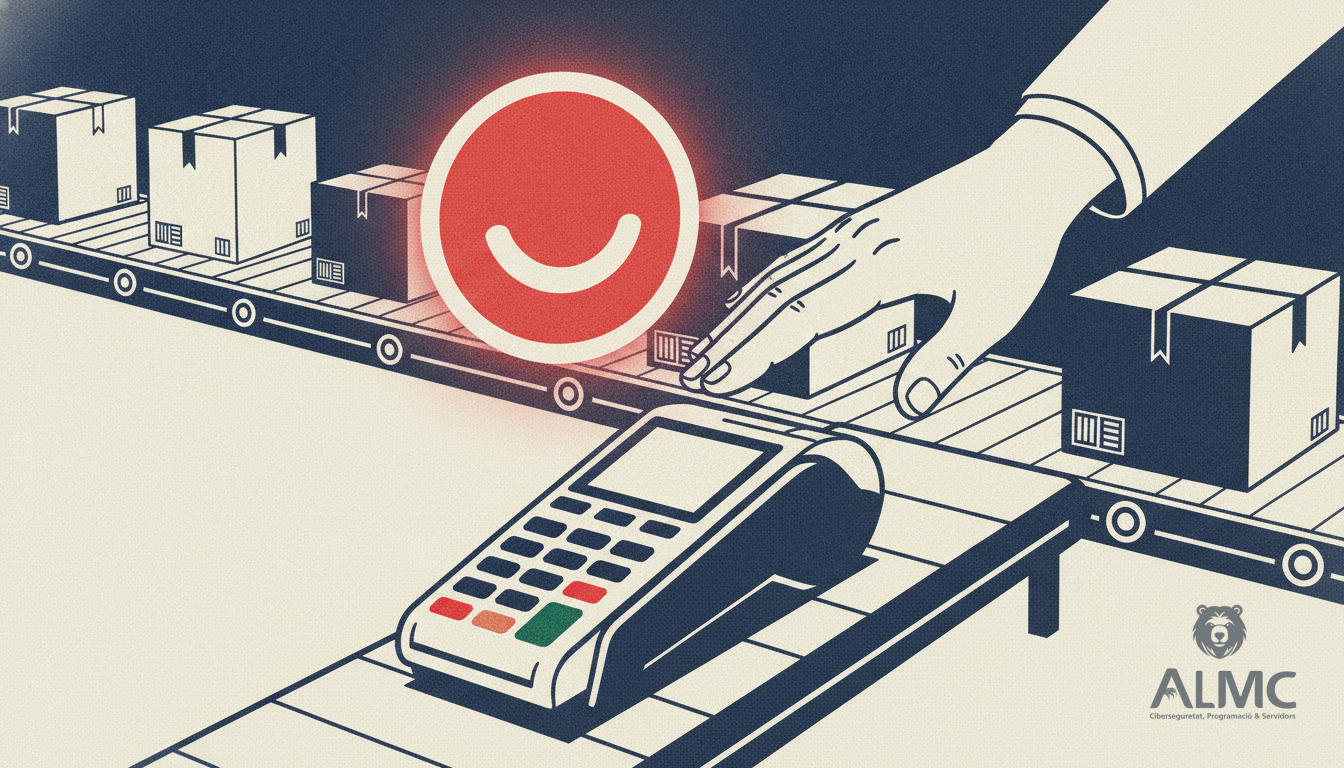
Biometric payments promise faster, more secure transactions. But what does this mean for your online shop? Let's explore the implications and how you can prepare.
Why biometrics are gaining traction
Consumers are increasingly comfortable with biometrics, thanks to smartphones and banking apps. Using a selfie or fingerprint to pay feels natural and convenient. For merchants, the appeal lies in reduced friction and enhanced security: no need to remember passwords or carry cards. Moreover, biometric data is encrypted and never shared with the merchant, addressing privacy concerns under GDPR.
In Spain, where digital adoption is high, especially in cities like Barcelona, Madrid, and Lleida, businesses are always looking for ways to streamline checkout. While biometric payments are not yet mainstream here, the infrastructure is evolving.
What this means for your ecommerce strategy
Even if you're not ready to implement biometric payments today, you can future-proof your online shop by focusing on checkout optimisation and payment flexibility. Here are key areas to consider:
- Offer multiple payment methods: Include popular options like cards, PayPal, and local methods such as Bizum. This caters to diverse preferences and reduces cart abandonment.
- Simplify the checkout process: Reduce steps, enable guest checkout, and use autofill. Every extra field can cost you a sale.
- Ensure mobile responsiveness: More than half of ecommerce traffic comes from mobile devices. A seamless mobile experience is non-negotiable.
- Leverage trust signals: Display security badges and clear privacy policies. Customers need to feel safe, especially when new technologies emerge.
At ALMC, we specialise in building ecommerce stores that sell. Whether you use PrestaShop or WooCommerce, we tailor your platform to integrate the latest payment innovations and optimise for conversion.
Preparing for the biometric wave
As biometric payments become more common, they may extend to online checkout. Imagine authorising a purchase with a quick face scan on your phone. To prepare, ensure your ecommerce platform is flexible and can integrate with emerging payment gateways. Both PrestaShop and WooCommerce have robust APIs and plugin ecosystems, making them adaptable to new technologies.
Additionally, consider the impact on customer experience. Biometric payments could further reduce checkout time, but they also require user education. Clear instructions and opt-in mechanisms will be essential.
Conclusion: stay ahead of the curve
While biometric payments are still in their early stages in Spain, they represent the next frontier in ecommerce. By focusing on a seamless, secure, and flexible checkout experience today, you'll be well-positioned to adopt new payment methods as they arrive. If you're looking to enhance your online shop's payment strategy, ALMC can help. We build custom ecommerce solutions that grow with your business.
Related
- WooCommerce vs PrestaShop: Which Ecommerce Platform Wins in 2025?
- CRO for Ecommerce: Turning WooCommerce and PrestaShop Templates into Sales Engines
- Agentic Commerce: How AI Agents Are Rewriting the Rules of Online Shopping
- Desarrollo web
Put these ideas into practice
Talk to ALMC about a solution for your business. Explore your options or contact our team.