
Building an Online Store That Actually Sells in Spain
Building an Online Store That Actually Sells in Spain
Every quarter brings a fresh reminder that the ecommerce market rewards focus, not size. Advertising groups report mixed results across Europe, with s...
Every quarter brings a fresh reminder that the ecommerce market rewards focus, not size. Advertising groups report mixed results across Europe, with some regions holding steady while others contract, and sectors such as retail and consumer goods under real pressure. For a shop owner in Lleida, Barcelona or Girona, the lesson is not about the fortunes of large holding companies: it is that traffic alone no longer guarantees revenue. What matters is how well your online store turns visits into orders.
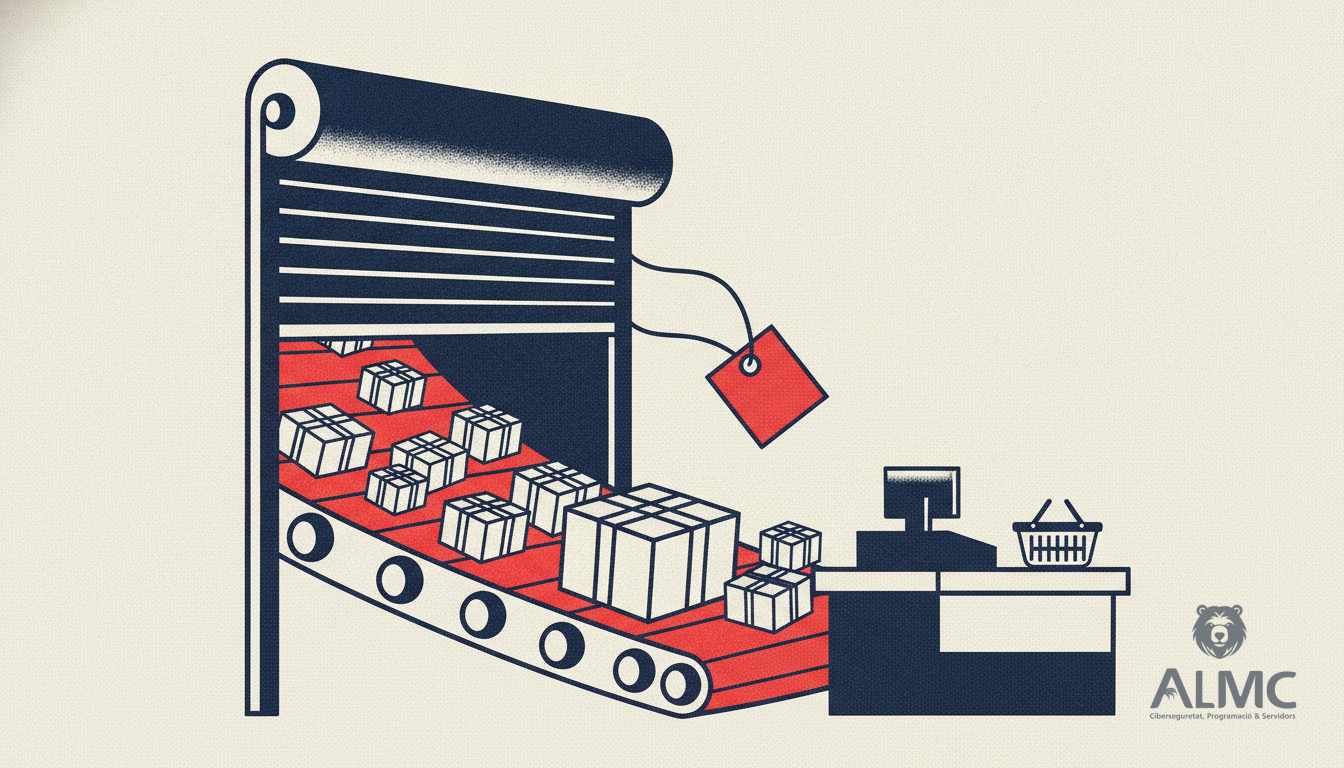
A shop window is not a salesperson
Many ecommerce projects in Catalonia start with a beautiful design and end there. The catalogue looks polished, the photography is excellent, but the checkout is confusing, the shipping costs appear late and the mobile experience falls apart on a mid-range phone. Visitors leave, and nobody knows why.
A store that sells is built around the buying decision, not the brand's taste. That means clear product pages, honest delivery information, a short and predictable checkout, and a payment mix that matches how people in Spain actually pay: cards, Bizum, PayPal and, for some sectors, financing options. Each of these choices has a measurable effect on conversion, and each one should be tested rather than assumed.
PrestaShop or WooCommerce: choose the tool for the job
The platform debate is often framed as a matter of preference. In practice it depends on the catalogue, the team and the roadmap:
- PrestaShop suits shops with large or complex catalogues, multiple combinations, B2B pricing rules and heavy logistics. It is a solid base when the business expects to grow in volume and needs structured product management.
- WooCommerce works well when content and commerce live together, when the team already uses WordPress, or when the project needs to launch quickly and evolve through plugins and custom development.
Neither option is a shortcut. Both need proper hosting, caching, security updates and a maintenance plan. A slow store loses sales quietly; an outdated one loses them loudly, with errors at checkout and data protection problems. Choosing a platform is a technical decision with commercial consequences, so it deserves more than a quick comparison of feature lists.
The stack behind the storefront
Conversion optimisation does not happen in isolation. Behind a healthy ecommerce operation there is a stack that has to work together: reliable servers with room to absorb seasonal peaks, backups that can actually be restored, monitoring that flags problems before customers do, and integrations with stock, invoicing and logistics. In Spain, electronic invoicing requirements and GDPR obligations add another layer that cannot be bolted on at the end.
This is where many projects stall. The store launches, sales grow, and suddenly the hosting is too small, the product feed is out of sync and the analytics do not match the accounting. Fixing these issues later is always more expensive than designing for them from the start.
Measure, then improve
Conversion work is iterative. Start with the funnel: where do visitors drop off, which product pages attract traffic but not sales, which payment step generates abandoned carts. Then change one thing at a time and measure the result. Small improvements compound, and a store that gains a point of conversion can double its return on advertising without spending a euro more on traffic.
At ALMC.es we build online stores in PrestaShop and WooCommerce that are designed to sell, with conversion optimisation and the full technical stack behind them. If you are planning a new ecommerce project in Lleida, Tarragona, Girona or Barcelona, or want to get more out of the shop you already have, the right moment to review the foundations is before the next peak season, not during it.
Related
- WooCommerce vs PrestaShop: Which Ecommerce Platform Wins in 2025?
- CRO for Ecommerce: Turning WooCommerce and PrestaShop Templates into Sales Engines
- Agentic Commerce: How AI Agents Are Rewriting the Rules of Online Shopping
- Desarrollo web
Put these ideas into practice
Talk to ALMC about a solution for your business. Explore your options or contact our team.