
Ecommerce logistics: turning fulfilment into a selling point
Ecommerce logistics: turning fulfilment into a selling point
Fulfilment is no longer a back-office problemFor years, Spanish retailers treated logistics as the invisible machinery behind the shop window: somethi...
Fulfilment is no longer a back-office problem
For years, Spanish retailers treated logistics as the invisible machinery behind the shop window: something to be outsourced, minimised and forgotten. That assumption no longer holds. Once a customer has paid, the only thing they can judge you on is what happens next — the confirmation email, the tracking link, the moment the courier rings the bell or drops the parcel in a locker near their flat. In Catalonia, where consumers in Barcelona, Lleida, Tarragona and Girona order across dozens of competing stores every month, that post-purchase window is where loyalty is won or quietly lost.
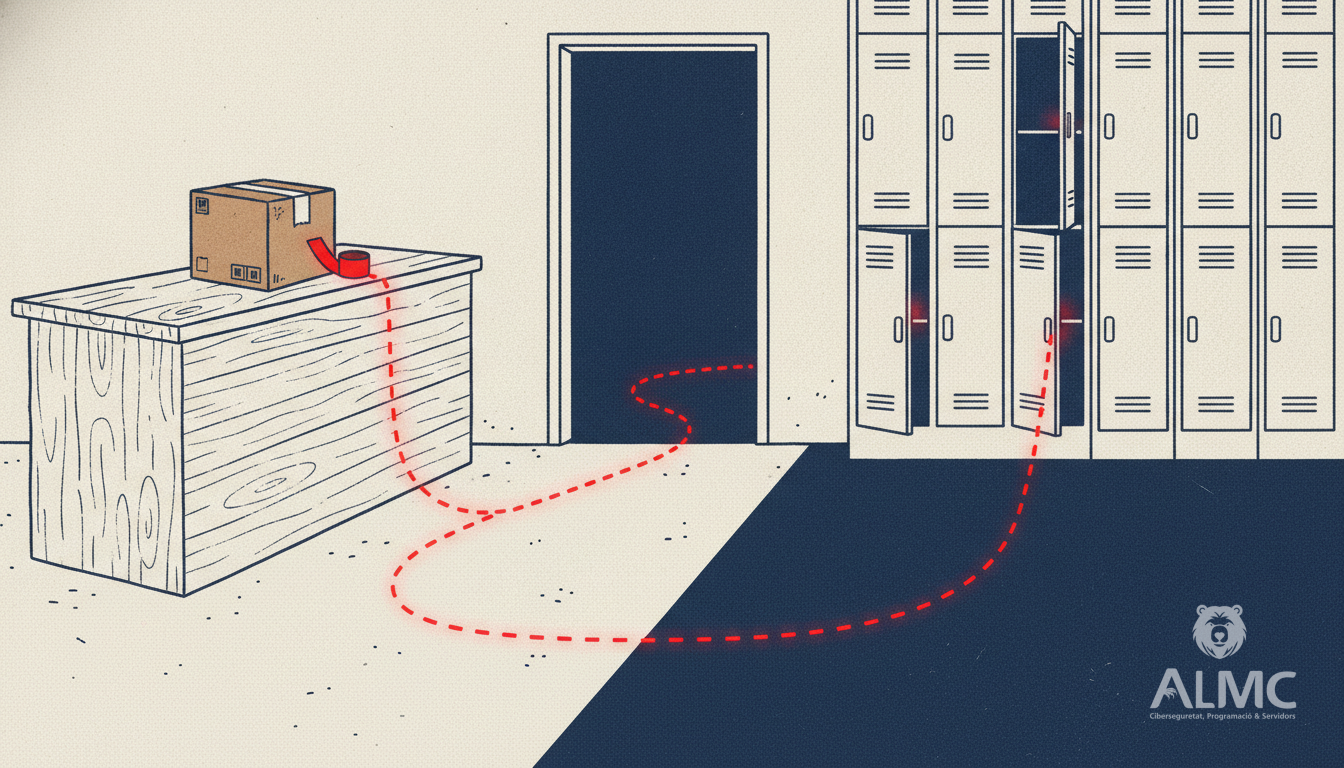
Industry events across Spain keep returning to the same theme: the customer experience does not end at checkout, it begins there. The retailers pulling ahead are the ones that treat the delivery journey as part of the product, not as a cost line.
What shoppers actually expect after they click "buy"
Expectations have hardened, and they are remarkably consistent across age groups and basket sizes:
- Visibility at every stage. A tracking page that updates in something close to real time, not a static status that sits unchanged for three days.
- Honest delivery windows. A realistic estimate beats an optimistic one that arrives late; the second erodes trust far more than the first builds it.
- Flexible last-mile options. Home delivery, pick-up points, lockers and scheduled slots, chosen by the customer rather than imposed.
- Clear returns. A return process explained before purchase, with no surprises about who pays or how long it takes.
None of these are exotic. The gap between the best and the rest is rarely about ambition — it is about whether the online store is wired to deliver them reliably.
Where the technology decides the outcome
This is the part many merchants underestimate. Tracking accuracy, delivery estimates and pick-up point selection are not features you bolt on at the end; they depend on how the ecommerce platform handles stock, orders and integrations. A store built on a generic template with a handful of plugins will struggle the moment volumes rise or a courier changes its API. A store built properly behaves very differently.
At ALMC we work with PrestaShop and WooCommerce precisely because both can be shaped around a real fulfilment operation: synchronised stock across warehouses, automated order states, courier and locker integrations, and customer accounts that show the full history in one place. The platform is only half the story, though. Conversion optimisation matters just as much — a checkout that loses a third of its buyers makes every downstream logistics improvement irrelevant.
A practical checklist for Spanish retailers
Before investing in new courier contracts, it is worth auditing what your current store already does well and where it leaks. A short, honest review usually surfaces the same issues:
- Does the product page state delivery times per destination, including the Balearic Islands and mainland Spain?
- Is stock data accurate enough to avoid overselling during peak periods such as Christmas or Black Friday?
- Are shipping costs and VAT shown clearly before the final step, in euros and in line with Spanish invoicing rules?
- Does the confirmation email include a tracking link that actually works on mobile?
- Is customer data handled in line with GDPR, with clear consent and a documented retention policy?
Each of these is a small technical decision with a large commercial consequence. Fixing them rarely requires a full rebuild; it requires someone who understands both the platform and the business behind it.
Local commerce, national reach
One of the more encouraging trends in the Catalan market is the number of small and mid-sized brands — food producers, fashion labels, specialist hardware shops — that now sell across Spain and into the rest of the EU from a base in Lleida or Girona. Their advantage is authenticity and product knowledge; their risk is that a clumsy delivery experience undoes the goodwill built offline. A well-configured online store levels that playing field, giving a family business the same tracking quality and checkout polish as a national chain.
Start with the store, not the courier
Logistics optimisation is a worthy goal, but it pays off only when the store underneath it is solid. If your checkout is slow, your stock figures are unreliable or your order management lives in a spreadsheet, no courier partnership will rescue the experience. The sensible sequence is to get the ecommerce foundation right — a tailored PrestaShop or WooCommerce build, measured conversion improvements, integrations that hold up under pressure — and then optimise the last mile on top of it. That is the order in which sustainable growth tends to happen.
Related
- WooCommerce vs PrestaShop: Which Ecommerce Platform Wins in 2025?
- CRO for Ecommerce: Turning WooCommerce and PrestaShop Templates into Sales Engines
- Agentic Commerce: How AI Agents Are Rewriting the Rules of Online Shopping
- Desarrollo web
Put these ideas into practice
Talk to ALMC about a solution for your business. Explore your options or contact our team.