
Blog
Black Friday in Catalonia: From Street Screen to Checkout
Black Friday is no longer a single-channel eventFor years, Black Friday in Spain was a race to the bottom on price. Retailers slashed margins, flooded...
Black Friday is no longer a single-channel event
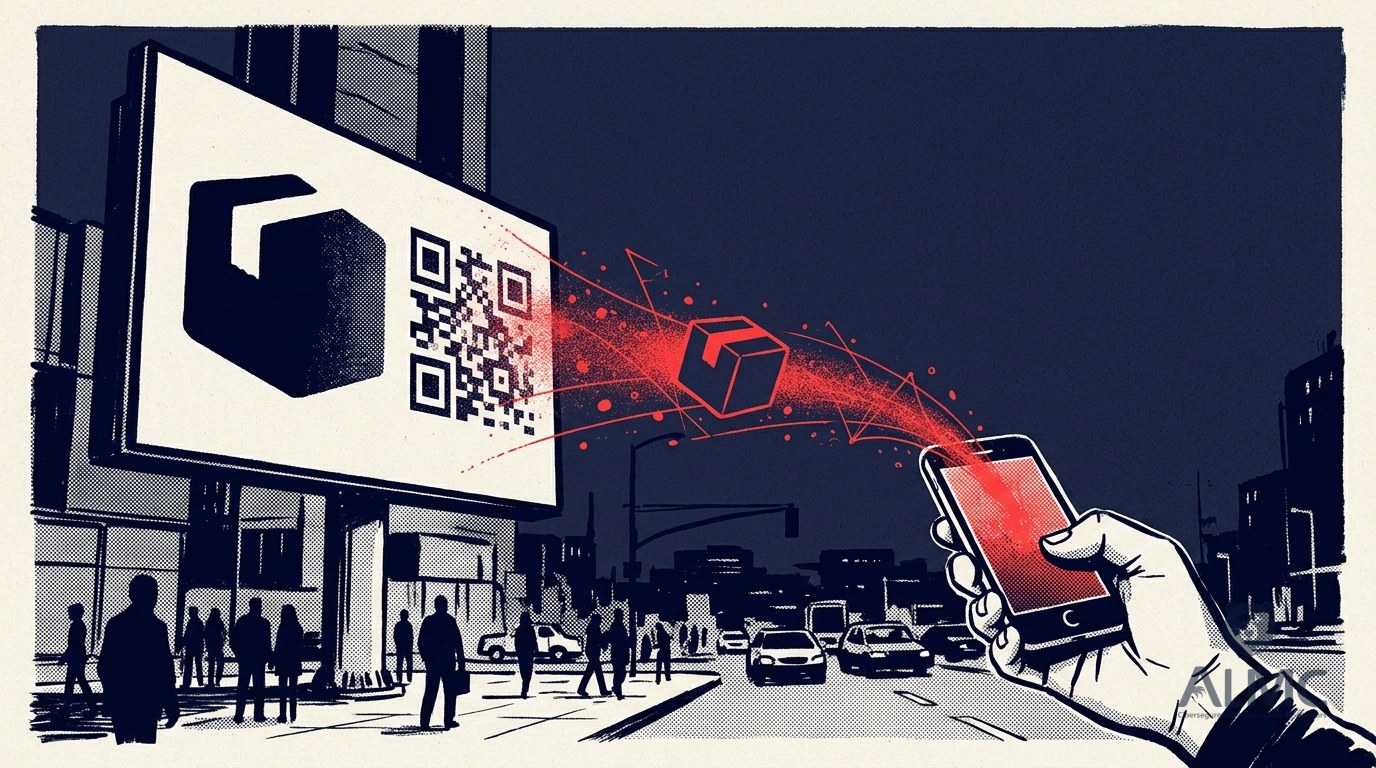
For years, Black Friday in Spain was a race to the bottom on price. Retailers slashed margins, flooded inboxes and hoped the traffic would convert. In Catalonia, where shopping habits blend high-street loyalty with heavy mobile use, that playbook is running out of steam. The most interesting shift is not the discount itself but the way the physical and digital worlds now feed each other. A campaign running on digital street furniture can hand a shopper a time-limited offer and a scannable code that lands them directly on a product page. The screen does not sell; the online store does. And that puts the spotlight firmly on the quality of your ecommerce stack.
What the DOOH experiment teaches online retailers
Recent campaigns in the Iberian market have turned outdoor digital screens into time-boxed storefronts. The mechanics are simple: a short window, a single hero product, a countdown and a QR code that opens a checkout-ready page. The interesting part is the discipline behind it. Instead of shouting about dozens of deals, the message is narrowed to one offer at a time, with a clear deadline. That same discipline is what separates a high-performing online store from a catalogue with a basket attached.
If you run a shop in Lleida, Tarragona, Girona or Barcelona, you can borrow the principle without renting a billboard. Use your homepage, your top landing pages and your email footer to promote one urgent, well-chosen offer at a time. Keep the countdown honest and make sure the product page loads fast on a phone. The shopper who scans a code on the street is the same shopper who abandons a slow page in the queue for coffee.
Why the checkout is the real bottleneck
Most Black Friday traffic is mobile, and most mobile traffic is impatient. If your store takes more than a couple of seconds to become interactive, a meaningful share of visitors will leave before they see the price. The fix is rarely a single plugin. It is a combination of hosting, caching, image optimisation and a checkout flow that asks for the minimum number of fields. In our experience building online stores on PrestaShop and WooCommerce, the biggest gains usually come from removing friction rather than adding features: guest checkout, saved payment methods, address autocomplete and a clear delivery promise.
- Speed: audit your store under real mobile conditions, not just on a desktop with fibre.
- Stock accuracy: sync inventory in real time so a promoted product is never oversold.
- Payment options: offer the local methods your customers actually use, including card, Bizum where relevant, and instalments for higher-ticket items.
- Trust signals: clear returns policy, GDPR-compliant consent and visible contact details.
GDPR and the data you collect during peak season
Black Friday is also a data harvest, and in Spain the AEPD watches ecommerce closely. Consent banners must be genuinely optional, analytics must respect the user's choice, and marketing lists need a lawful basis. A campaign that collects email addresses through a misleading pop-up may look successful in November and become a liability in January. Build your store so that consent is recorded, preferences are easy to change and data is stored within the EU. This is not a legal afterthought; it is part of the customer experience.
Omnichannel without the buzzwords
The phrase omnichannel gets used loosely, but the practical version is straightforward. A customer sees an offer on a screen, scans a code, lands on a product page, checks stock at the nearest store, pays online and collects in person. Each of those steps depends on systems that talk to each other. Your ecommerce platform, your ERP, your stock management and your payment provider need to agree on the same numbers. When they do, a campaign can scale. When they do not, a successful promotion becomes a customer-service problem.
For retailers in Catalonia, the geography helps. Distances are short, logistics are dense and customers are comfortable mixing channels. A store in Lleida can serve online orders across the province and use its physical location as a pickup point. A brand in Barcelona can run a city-wide campaign and fulfil from a single warehouse. The technology is what makes that flexibility visible to the customer.
Preparing your store before the next peak
Peak season planning should start well before the discounts go live. Load-test your store, review your hosting limits, prepare fallback payment methods and write the customer-service scripts in advance. Check that your product feeds are clean, that your structured data is correct and that your pages are indexable. A well-built online store is not just a pretty front end; it is a stack of infrastructure, security and conversion work that holds up when traffic triples.
At ALMC we build ecommerce for retailers who want to sell, not just exist online. Whether you are on PrestaShop, WooCommerce or a custom stack, the goal is the same: a store that loads fast, converts reliably and stays compliant. If the next Black Friday is going to be your biggest yet, the work starts now.
Related
- WooCommerce vs PrestaShop: Which Ecommerce Platform Wins in 2025?
- CRO for Ecommerce: Turning WooCommerce and PrestaShop Templates into Sales Engines
- Agentic Commerce: How AI Agents Are Rewriting the Rules of Online Shopping
- Desarrollo web
Put these ideas into practice
Talk to ALMC about a solution for your business. Explore your options or contact our team.