
Blog
Why Spanish Retailers Are Betting Big on the Online Store
The physical store is not dying — it is being rewiredFor years the narrative was simple: bricks-and-mortar retail was in retreat and ecommerce was eat...
The physical store is not dying — it is being rewired
For years the narrative was simple: bricks-and-mortar retail was in retreat and ecommerce was eating its lunch. The reality in Spain looks rather different. One of the country's best-known department store groups has just approved a multi-year investment plan of several billion euros through 2032, and the headline is not that it is abandoning its shops. It is that physical stores and the online channel are being treated as two halves of the same engine.
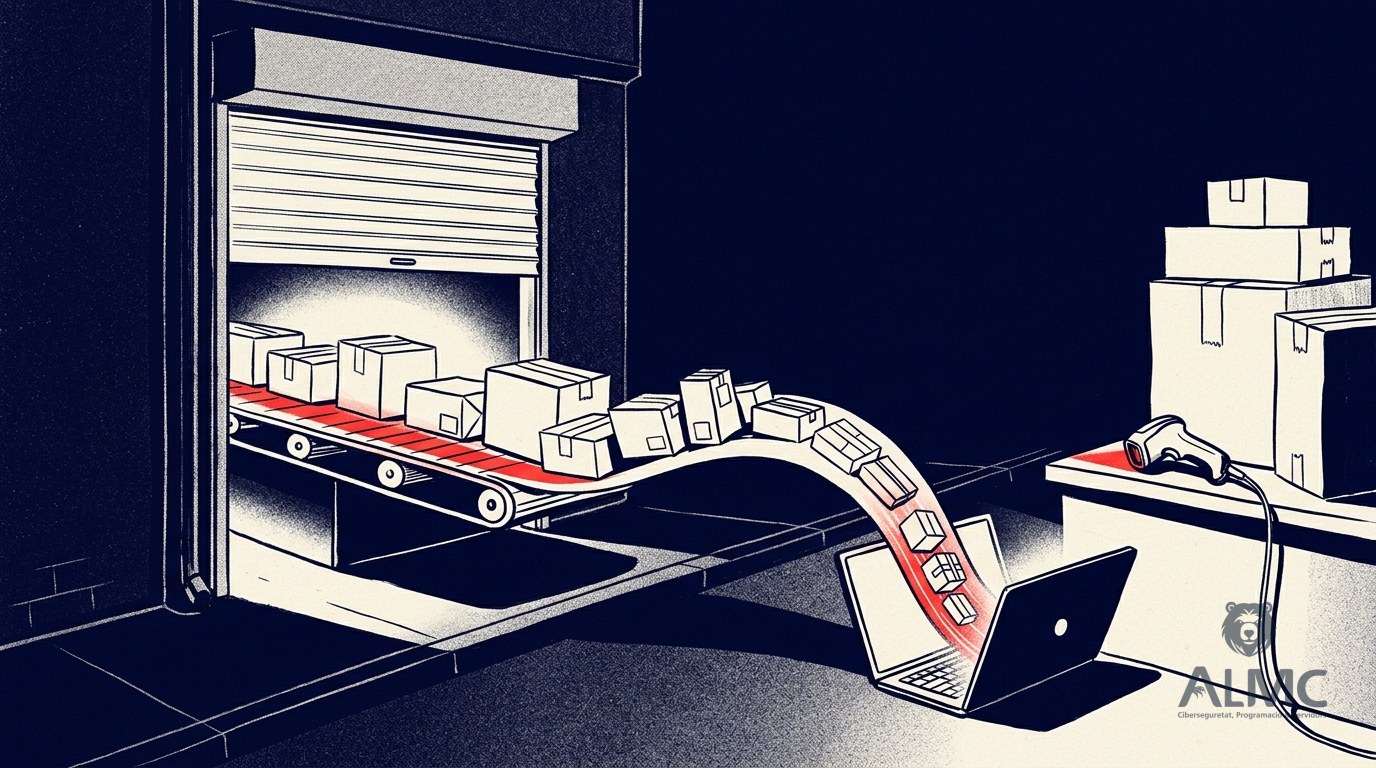
That framing matters for every comerç and brand in Catalonia thinking about how to sell online. The question is no longer whether you need an online store. It is whether your online store is built to work alongside everything else you do — stock, staff, logistics, customer service — rather than sitting off to one side as a lonely catalogue.
What the big investment plans actually tell us
Look past the headline figures and the priorities are revealing. The capital is earmarked for modernising stores, technology, logistics and property management, with financial discipline and debt reduction kept in view. In other words, the money is not going into a flashy front end alone. It is going into the machinery behind the front end.
- Technology: the platforms, integrations and data layer that make an online store fast, reliable and measurable.
- Logistics: the unglamorous backbone that decides whether a promise of next-day delivery is kept or broken.
- Customer experience: a single, coherent journey whether the customer starts on a phone in Lleida or walks into a shop in Barcelona.
The lesson for a smaller retailer is not to copy the budget. It is to copy the logic: an online store is only as good as the operations behind it.
Choosing the right platform for a Spanish online store
In our experience working with shops and brands across Lleida, Tarragona, Girona and Barcelona, the platform debate is often the first stumbling block and rarely the most important one. Two open-source options dominate the mid-market in Spain, and both can be excellent when implemented properly.
PrestaShop remains a strong fit for retailers with complex catalogues, multiple variants, tiered pricing or a B2B dimension. It handles large product trees well and has a mature ecosystem of Spanish payment gateways and invoicing integrations, which matters when you need to comply with local tax and electronic invoicing requirements.
WooCommerce appeals to brands already publishing content, where the shop and the editorial side need to live together. It is flexible and familiar, but it rewards disciplined development: a careless plugin stack will cost you speed, and speed costs you sales.
Whichever you pick, the deciding factors are the same: how well it integrates with your stock system, your courier, your accounting and your CRM, and how easily your team can manage it day to day without calling a developer for every price change.
Conversion is an engineering problem, not a design slogan
It is tempting to treat conversion optimisation as a coat of paint. In practice, the biggest gains usually come from unglamorous fixes: a checkout that does not punish mobile users, clear delivery costs shown early, search that actually finds what the customer typed, and page loads measured in fractions of a second rather than seconds.
Spain adds its own wrinkles. Shoppers here expect familiar payment methods, transparent delivery windows and a returns process that does not feel like a trap. Under GDPR, every form that collects data — newsletter sign-ups, abandoned-cart emails, account creation — needs a lawful basis, clear consent and a record of it. Getting this right is not just legal hygiene; it is trust, and trust converts.
Omnichannel is the real prize
The most interesting signal in the sector is the insistence that online complements the physical network rather than replacing it. For a retailer with one or two shops, that can mean click-and-collect, in-store returns of online orders, or simply a shared stock pool so you never sell something you cannot ship.
None of this happens by accident. It requires an online store that talks to your point of sale, a logistics setup that can handle mixed orders, and reporting that shows you which channel is actually generating the margin. That is the difference between an online store that exists and one that sells.
Where to start
You do not need a six-year, multi-billion-euro roadmap. You need a clear answer to three questions: what does your customer want to buy online from you, what does it cost you to fulfil that promise, and which platform and integrations make the whole thing sustainable as you grow? Get those right and the investment follows naturally — in euros, in Lleida or anywhere else in Catalonia.
Related
- WooCommerce vs PrestaShop: Which Ecommerce Platform Wins in 2025?
- CRO for Ecommerce: Turning WooCommerce and PrestaShop Templates into Sales Engines
- Agentic Commerce: How AI Agents Are Rewriting the Rules of Online Shopping
- Desarrollo web
Put these ideas into practice
Talk to ALMC about a solution for your business. Explore your options or contact our team.