
Owning the Digital Storefront: Ecommerce Lessons from a Spanish Retail Giant
Owning the Digital Storefront: Ecommerce Lessons from a Spanish Retail Giant
Why owning the digital storefront matters more than everWhen a major Spanish department store group announced it was buying back the remaining stake i...
Why owning the digital storefront matters more than ever
When a major Spanish department store group announced it was buying back the remaining stake in its travel division, the headline was about corporate control. For anyone running an online shop, the real story sits underneath: after years of blending a physical network with a digital platform, the group chose to keep the whole machine in-house. That instinct — owning the channel rather than renting it — is exactly the decision small and mid-sized merchants in Lleida, Barcelona, Tarragona and Girona face when they move from marketplace selling to their own ecommerce operation.
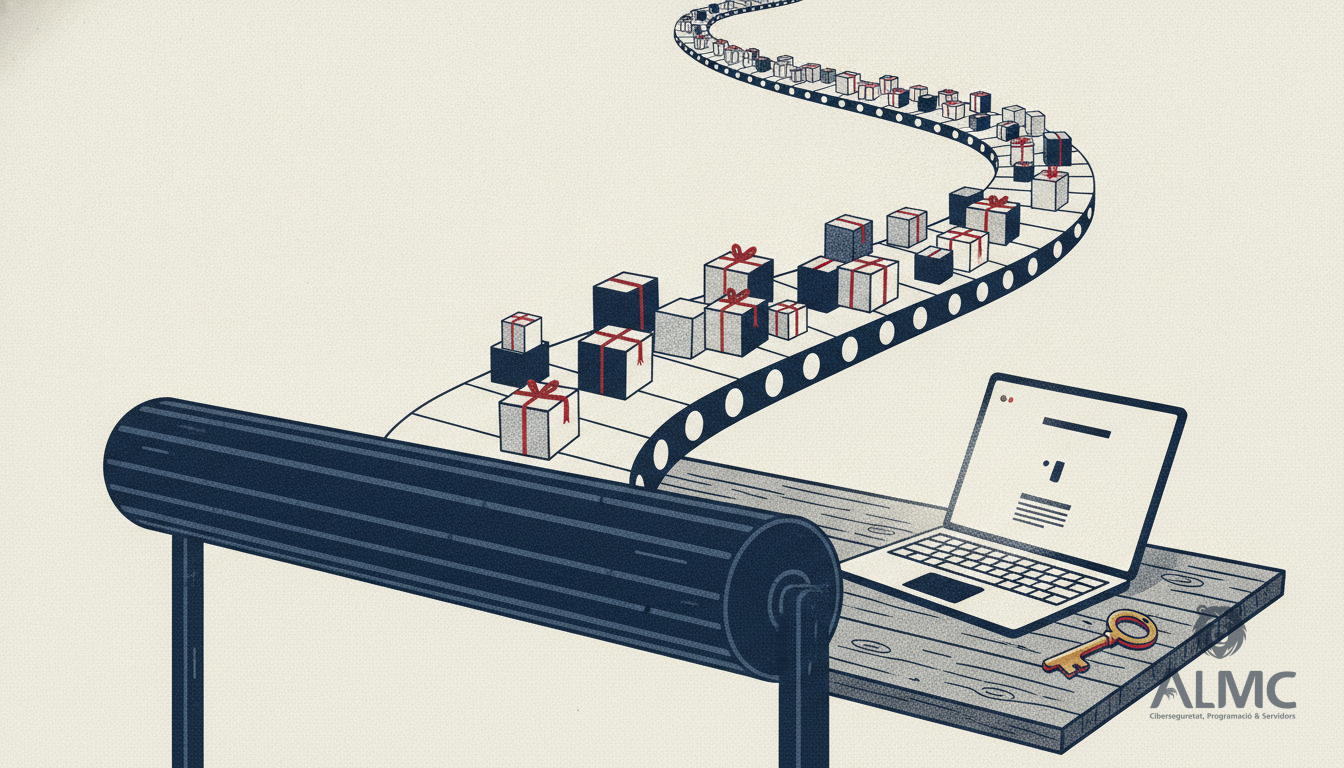
The travel arm had spent years merging a legacy network of branches with a digital-first brand. The integration brought together two very different ways of selling: face-to-face expertise and high-volume online booking. Once the technology and the teams were aligned, the parent company no longer needed an external partner holding a quarter of the business. The lesson is not about corporate finance. It is about what happens when your sales platform, your data and your customer relationships sit on infrastructure you control.
The quiet cost of not owning your channel
Many businesses in Catalonia start selling through a marketplace or a social platform because it is fast. The trade-off is rarely visible until it bites:
- Commission creep. Every sale carries a fee that eats into margins you cannot renegotiate.
- Data blindness. You see orders, but not the full journey — what customers browsed, abandoned or searched for.
- Brand dilution. Your identity competes with a dozen lookalike sellers on the same page.
- Fragile compliance. Under GDPR, you are responsible for personal data even when a third party controls the checkout flow.
A dedicated online store flips that equation. You set the rules, you own the analytics, and you decide how the buying experience feels from the first click to the confirmation email.
Choosing the right platform for a Spanish ecommerce business
There is no single correct answer, but two platforms dominate serious European ecommerce for good reasons. PrestaShop suits merchants who want deep control over catalogue structure, multi-language and multi-currency setups, and complex tax rules — useful when you sell across Spain and into the wider EU. WooCommerce appeals to brands already invested in WordPress, where content, SEO and product pages live naturally side by side.
What matters more than the logo on the dashboard is the fit. A shop selling a handful of high-value items needs a different architecture from one shifting hundreds of SKUs a day. The right build accounts for stock management, shipping zones across the peninsula, and payment methods your customers actually trust, including local options alongside cards.
Conversion is a discipline, not a plugin
Launching a store is the easy part. Making it sell is where most projects stall. Conversion optimisation is a continuous practice: studying where visitors drop off, simplifying checkout, testing product imagery, and writing descriptions that answer real questions rather than repeating manufacturer copy. Small changes — clearer delivery times, visible return policies, a checkout that works flawlessly on a phone — often move revenue more than a full redesign.
It also means treating performance as a feature. Slow pages lose buyers before they ever see your offer, particularly on mobile connections. A store that loads quickly, respects privacy and works smoothly across devices signals competence, and competence sells.
Building the full stack, not just the shopfront
An ecommerce operation is more than a website. It is inventory, invoicing, customer support, analytics and increasingly automation. Connecting these pieces — so that an order triggers stock updates, a compliant invoice and a shipping notification without manual intervention — is what separates a shop that scales from one that collapses under its own success. Electronic invoicing rules in Spain continue to evolve, and building for compliance early saves painful rework later.
The travel group's move shows that even large players value keeping the whole chain under one roof once it works. For a smaller merchant in Lleida or Tarragona, the same principle applies at a human scale: a store you own, tuned for conversion, integrated with the systems behind it, is an asset that compounds. A rented shelf on someone else's platform never will be.
Related
- WooCommerce vs PrestaShop: Which Ecommerce Platform Wins in 2025?
- CRO for Ecommerce: Turning WooCommerce and PrestaShop Templates into Sales Engines
- Agentic Commerce: How AI Agents Are Rewriting the Rules of Online Shopping
- Desarrollo web
Put these ideas into practice
Talk to ALMC about a solution for your business. Explore your options or contact our team.