
Why Your Online Shop Needs More Than Just Ads
Why Your Online Shop Needs More Than Just Ads
The real cost of buying traffic to a shop that leaks salesSocial advertising has entered a strange phase. Recent industry analysis of hundreds of thou...
The real cost of buying traffic to a shop that leaks sales
Social advertising has entered a strange phase. Recent industry analysis of hundreds of thousands of campaigns suggests that spending more does not automatically buy better results. On some platforms, the cost per click and cost per lead have fallen sharply, while on others the average spend per campaign has climbed without a matching rise in return. For ecommerce brands in Barcelona, Lleida, Tarragona or Girona, that is a warning worth heeding: traffic is getting cheaper in some channels, but it is also getting less forgiving.
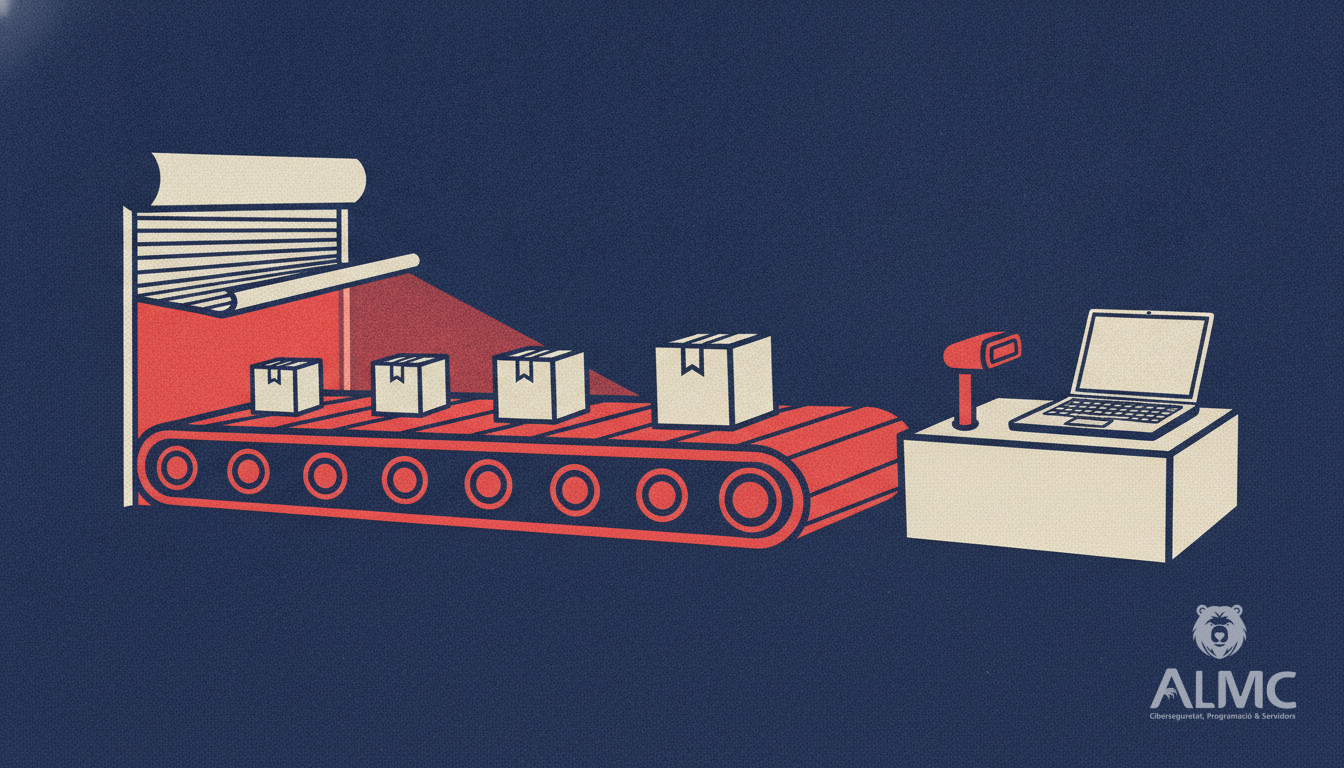
When clicks are cheap, the temptation is to pour budget into acquisition and assume the shop will do the rest. It rarely does. A campaign that sends thousands of visitors to a slow, confusing or untrustworthy store simply accelerates the leak. The money leaves, the carts are abandoned, and the only thing that grows is the cost per sale.
Conversion is the multiplier, not the afterthought
Think of paid media as a tap and your online shop as the bucket. If the bucket has holes, opening the tap wider just wastes more water. Every euro spent on ads passes through the same funnel: page load speed, product clarity, checkout friction, payment trust, delivery expectations and post-purchase communication. Improving any one of those stages multiplies the value of every campaign you run afterwards.
This is why conversion optimisation is not a cosmetic exercise. It is the highest-leverage investment an ecommerce business can make. A store that converts twice as well can afford to bid twice as aggressively, or simply keep more of the revenue it already generates.
Choosing the right platform: PrestaShop or WooCommerce
There is no universal winner between the two dominant open-source options, only the right fit for your catalogue, team and ambitions. Both are widely used across Spain and the wider EU, both can be hosted on European infrastructure, and both can be tailored to your exact commercial model.
- PrestaShop tends to suit retailers with large, structured catalogues, complex tax and shipping rules, and a need for deep back-office control. It is a mature choice for established comercios that want a robust, feature-rich storefront.
- WooCommerce shines when content and commerce need to live together. If your growth depends on blogging, SEO, editorial storytelling or a flexible product mix, building on WordPress gives marketing teams room to move without waiting on developers.
The decision should follow your business logic, not a trend. A tailored implementation — clean data structure, sensible extensions, no bloated plugins — will outperform a generic template every time.
What actually moves the needle in an online shop
Conversion work is unglamorous and cumulative. The gains come from dozens of small, evidence-based decisions:
- Fast, stable hosting on European servers, with caching and image optimisation tuned to real traffic patterns.
- Product pages that answer the questions buyers actually have: dimensions, materials, compatibility, delivery times and returns.
- A checkout that respects the buyer: clear pricing in euros, transparent shipping, and the local payment methods Spanish customers expect.
- Trust signals that matter under GDPR — visible privacy information, secure connections and honest data handling.
- Structured data and clean URLs so search engines and shopping feeds can understand your catalogue.
None of this is about decoration. Each item removes a reason for a visitor to leave.
Integrating ads, analytics and the store itself
Once the shop is solid, paid channels become far more productive. Accurate tracking — server-side events, consent-aware analytics and clean product feeds — lets you see which campaigns produce real revenue rather than vanity clicks. That feedback loop is what allows a business to shift budget between channels with confidence, whether the traffic comes from social platforms, search or email.
It also protects you from a common trap: optimising for a metric that looks healthy but does not pay the bills. A high click-through rate or a low cost per lead means little if those leads never become customers. What matters is the full journey from first impression to repeat purchase.
Building for the long term in Catalonia and beyond
Ecommerce in Spain is competitive, and the brands that endure are the ones that treat their store as a product rather than a project. That means ongoing maintenance, security updates, performance monitoring and a roadmap for new features. It means choosing an architecture that can grow from a single product line to a multi-language, multi-currency operation without a rebuild.
At ALMC we build online shops that genuinely sell: tailored PrestaShop and WooCommerce implementations, conversion-focused design and development, and the full stack needed to compete in modern comercio electrónico. Cheap traffic is only an advantage if your shop is ready to convert it.
Related
- WooCommerce vs PrestaShop: Which Ecommerce Platform Wins in 2025?
- CRO for Ecommerce: Turning WooCommerce and PrestaShop Templates into Sales Engines
- Agentic Commerce: How AI Agents Are Rewriting the Rules of Online Shopping
- Desarrollo web
Put these ideas into practice
Talk to ALMC about a solution for your business. Explore your options or contact our team.