
AI search is changing: what it means for your online shop
AI search is changing: what it means for your online shop
Search is no longer just a list of linksFor two decades, the bargain between online shops and search engines was simple: you published useful content,...
Search is no longer just a list of links
For two decades, the bargain between online shops and search engines was simple: you published useful content, you earned a position on the results page, and visitors arrived. That bargain is being rewritten. Google has been rolling out AI-generated summaries at the top of results and a conversational mode that answers questions directly, and it is now adjusting how links appear inside those answers, adding more contextual references, more visual cards and a dedicated space for official destinations when a query clearly points to one.
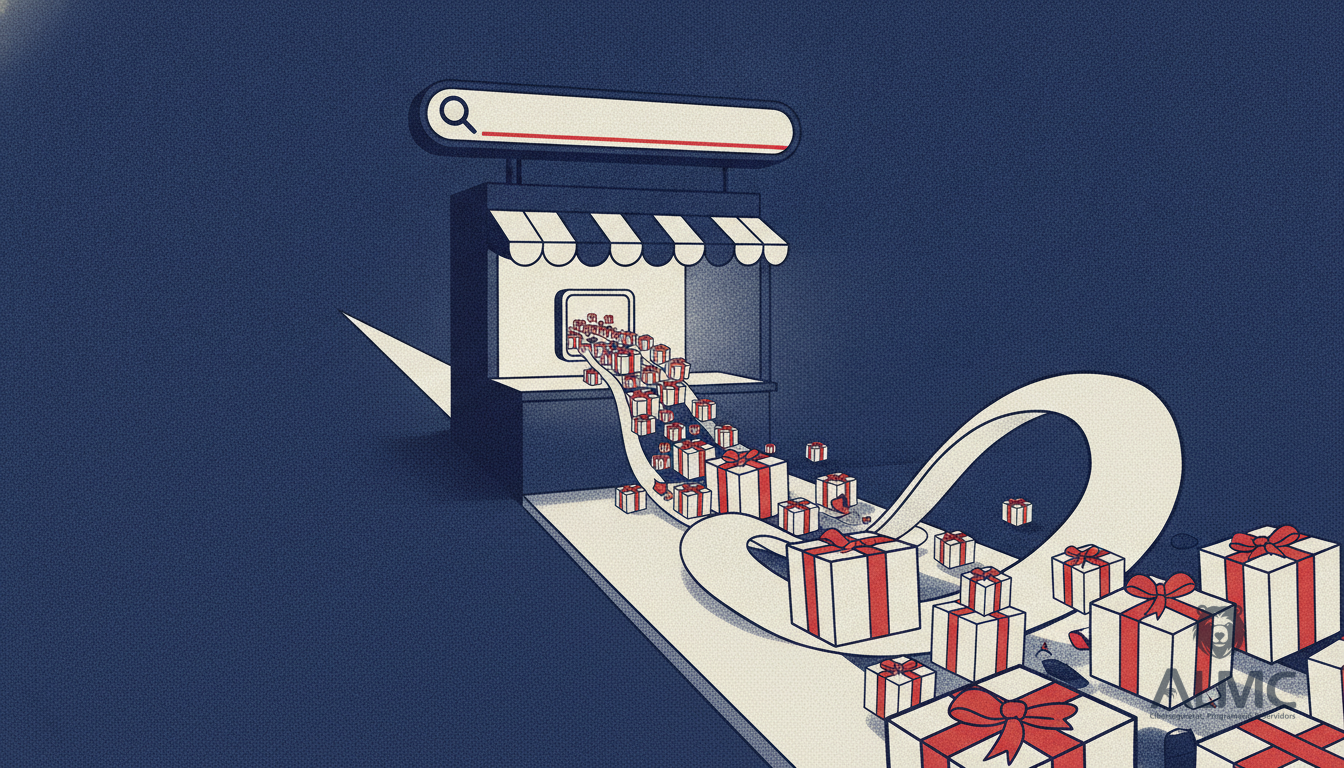
For a shop owner in Lleida, Girona or Barcelona, the practical question is not whether this is good or bad news for publishers in general. It is whether your product pages and your brand still get found when a customer asks an assistant to recommend something instead of scrolling through ten blue links.
Why the click is becoming optional
The core tension is easy to understand. When an AI answer already contains the information a user wanted, there is less reason to open a website. Research from media and publishing organisations has been pointing to a decline in clicks towards original sources when AI summaries appear, and the traffic arriving from AI platforms has not yet made up for what is lost elsewhere. Google itself has not promised a specific traffic uplift from its new link formats, which tells you something about how uncertain the ground still is.
None of this means organic search is dead. It means the value of a visit is shifting. A visitor who arrives after reading an AI summary is often further along in their decision, or arrives for a very specific reason. Shops that treat every click as equally precious will struggle; shops that design for intent will not.
What actually protects an online shop
The businesses most exposed to this shift are those whose only asset is a page that ranks for informational queries. The businesses most resilient are those that own a relationship with the buyer. In practice, that means building a store that does several things well:
- Structured product data. Clear specifications, availability, prices in euros, shipping terms and returns policy in machine-readable form. Assistants can only recommend what they can understand.
- Brand searches. If people ask for your shop by name, no summary can substitute for it. Newsletters, loyalty programmes and a recognisable identity in Catalonia all feed this.
- Conversion quality over raw volume. Fewer visits that convert better beat a flood of bounces. This is where checkout flow, page speed and trust signals earn their keep.
- Direct channels. Email, WhatsApp and repeat customers are not subject to algorithm updates.
A well-built online store is not just a catalogue with a payment button. It is the place where all of these signals come together, and that is precisely the kind of project we take on at ALMC.es, from PrestaShop and WooCommerce development to conversion optimisation across the whole ecommerce stack.
The local angle matters more than ever
AI answers tend to favour sources that are specific, current and unambiguous. For a shop serving Catalonia, that is an advantage. Local stock availability, delivery times to Tarragona or Lleida, collection points, and clear GDPR-compliant handling of customer data are all details that generic summaries cannot fake. Being precise about where you operate and who you serve makes your pages more useful to both humans and machines.
Compliance deserves a mention too. If you are collecting data through forms, chat widgets or analytics, the General Data Protection Regulation applies just as it always has. An ecommerce platform that lets you control consent, retention and third-party scripts properly is not a luxury; it is part of being findable and trustworthy at the same time.
Practical steps you can take this quarter
- Audit your top landing pages and ask whether each one answers a question or sells a product. Pages that only answer questions are the most vulnerable.
- Review product feeds and structured data so that specifications, prices and stock levels are consistent everywhere.
- Measure assisted conversions and branded search volume, not just sessions. These reveal whether you are building an asset or renting traffic.
- Look at your checkout as a product in its own right. Every unnecessary step costs you customers who arrived with high intent.
- Decide which channels you own. If the answer is only search, that is a risk worth addressing now rather than later.
A shift, not an ending
Google is trying to keep its search experiences useful while still sending people to the sites that supply the information. Whether that balance holds is an open question, and litigation around AI and content is already underway in several jurisdictions. What is clear is that the shops which thrive will be the ones that treat their online store as a business asset rather than a template. Good product data, a fast and honest buying experience, and a direct line to your customers will keep working whatever the results page looks like next year.
Related
- WooCommerce vs PrestaShop: Which Ecommerce Platform Wins in 2025?
- CRO for Ecommerce: Turning WooCommerce and PrestaShop Templates into Sales Engines
- Agentic Commerce: How AI Agents Are Rewriting the Rules of Online Shopping
- Desarrollo web
Put these ideas into practice
Talk to ALMC about a solution for your business. Explore your options or contact our team.