
Blog
Online stores that actually sell: beyond the shopfront
Why a shopfront is not a businessLaunching an online store is easy. Making it sell is another matter. In Catalonia and across Spain, many shops and br...
Why a shopfront is not a business
Launching an online store is easy. Making it sell is another matter. In Catalonia and across Spain, many shops and brands discover this the hard way: they invest in a polished design, upload a catalogue, connect a payment gateway, and then wait. The visits arrive, but the orders do not. The problem is rarely the product. It is that the store was built as a shopfront rather than as a sales system.
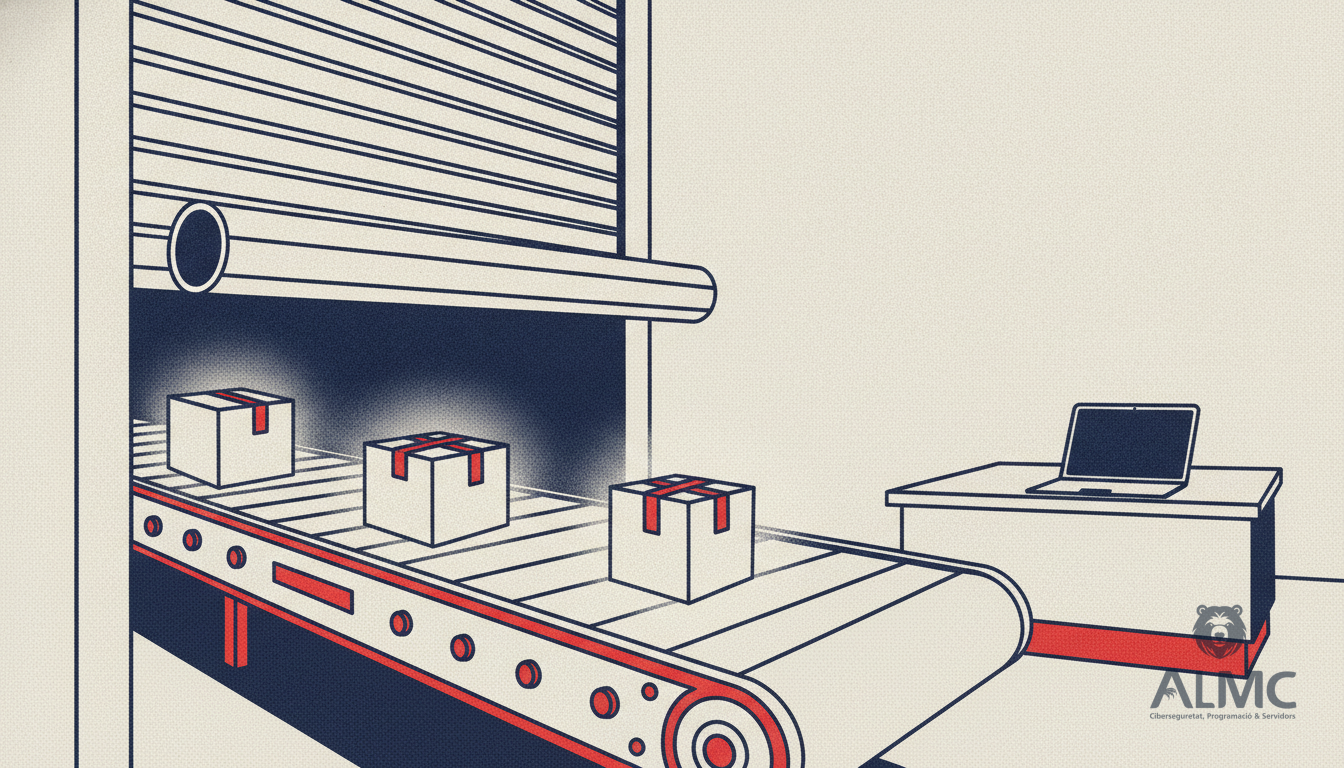
At ALMC we approach ecommerce from the opposite direction. Before choosing a platform or a template, we ask what the business actually needs to convert: how customers search, what stops them at checkout, how the catalogue is managed, and what happens after the sale. Only then do we decide between PrestaShop and WooCommerce, or a custom combination of both.
PrestaShop or WooCommerce: the right question
The platform debate is often framed as a matter of taste. In practice, it is a question of fit. Both options can work extremely well, but they solve different problems.
- PrestaShop tends to suit catalogues with depth: many products, variants, combinations, suppliers and languages. It offers a structured back office that scales well when the shop grows and the team needs clear roles and workflows.
- WooCommerce shines when the store is part of a wider content or brand ecosystem. If the business already publishes, blogs or runs campaigns, keeping the shop inside the same environment reduces friction and keeps everything under one roof.
The mistake is choosing a platform because it is popular, or because a template looked good in a demo. A store with the wrong foundation becomes expensive to maintain: every new feature turns into a workaround, and performance suffers as plugins pile up. We prefer to size the foundation to the business, not the other way round.
Conversion is a stack, not a button
Conversion rate optimisation is often sold as a set of tweaks: a new button colour, a pop-up, a discount banner. Those things can help, but they are the surface. Underneath, a store converts when several layers work together.
- Speed and stability. Pages that load slowly lose customers before the product is even seen. Hosting, caching and clean code matter more than most marketing budgets.
- Clear product information. Photos, specifications, availability and delivery times should answer the questions a customer would ask in a physical shop.
- A checkout without friction. Fewer steps, transparent costs, local payment methods and a delivery promise that is actually kept.
- Trust signals. Returns policy, contact details, reviews and legal compliance all reduce the hesitation that kills baskets.
Each layer is measurable. We prefer to work with real data from the store: where visitors drop off, which pages underperform, which devices cause problems. Optimisation without measurement is guesswork dressed up as strategy.
Built for Spain and Catalonia
Selling in this market has its own requirements. Customers expect to pay in euros, see prices with VAT clearly stated, and receive invoices that comply with Spanish regulations. Electronic invoicing is not an afterthought; it is part of the sales process. GDPR compliance is equally non-negotiable: cookie consent, data processing records and privacy policies must be handled properly, not copied from a template.
Localisation also means language. A store serving Barcelona, Lleida, Tarragona and Girona may need to speak Catalan and Spanish fluently, with consistent product information across both. Multilingual catalogues are a technical challenge as much as a translation task, and they are best planned from the start.
The full stack behind the shopfront
An online store is not an isolated website. It sits on servers, connects to payment providers, synchronises with stock systems, sends transactional emails and feeds analytics. When any of these links fails, the customer feels it immediately.
That is why we treat ecommerce as an infrastructure problem as much as a design one. Reliable hosting, backups, security updates and monitoring are not optional extras; they are what keeps the shop open. A store that goes down during a campaign, or loses a database, can erase months of marketing work in an afternoon.
What to expect from a store that sells
A well-built online store is quiet. It does not need constant intervention to keep working. The catalogue is easy to update, the checkout is smooth, the pages load quickly and the data tells you what to improve next. Growth comes from iterating on that foundation, not from rebuilding it every year.
If your shop is already online but not performing, or if you are planning a launch and want to get the foundation right, the first step is an honest look at what is happening now. That is where a store stops being a shopfront and starts being a business.
Related
- WooCommerce vs PrestaShop: Which Ecommerce Platform Wins in 2025?
- CRO for Ecommerce: Turning WooCommerce and PrestaShop Templates into Sales Engines
- Agentic Commerce: How AI Agents Are Rewriting the Rules of Online Shopping
- Desarrollo web
Put these ideas into practice
Talk to ALMC about a solution for your business. Explore your options or contact our team.