
Online Stores That Sell: Lessons from Physical Retail
Online Stores That Sell: Lessons from Physical Retail
From Physical Aisles to Digital Carts: What Ecommerce Can Learn from Concept StoresIn the evolving landscape of retail, the lines between physical and...
From Physical Aisles to Digital Carts: What Ecommerce Can Learn from Concept Stores
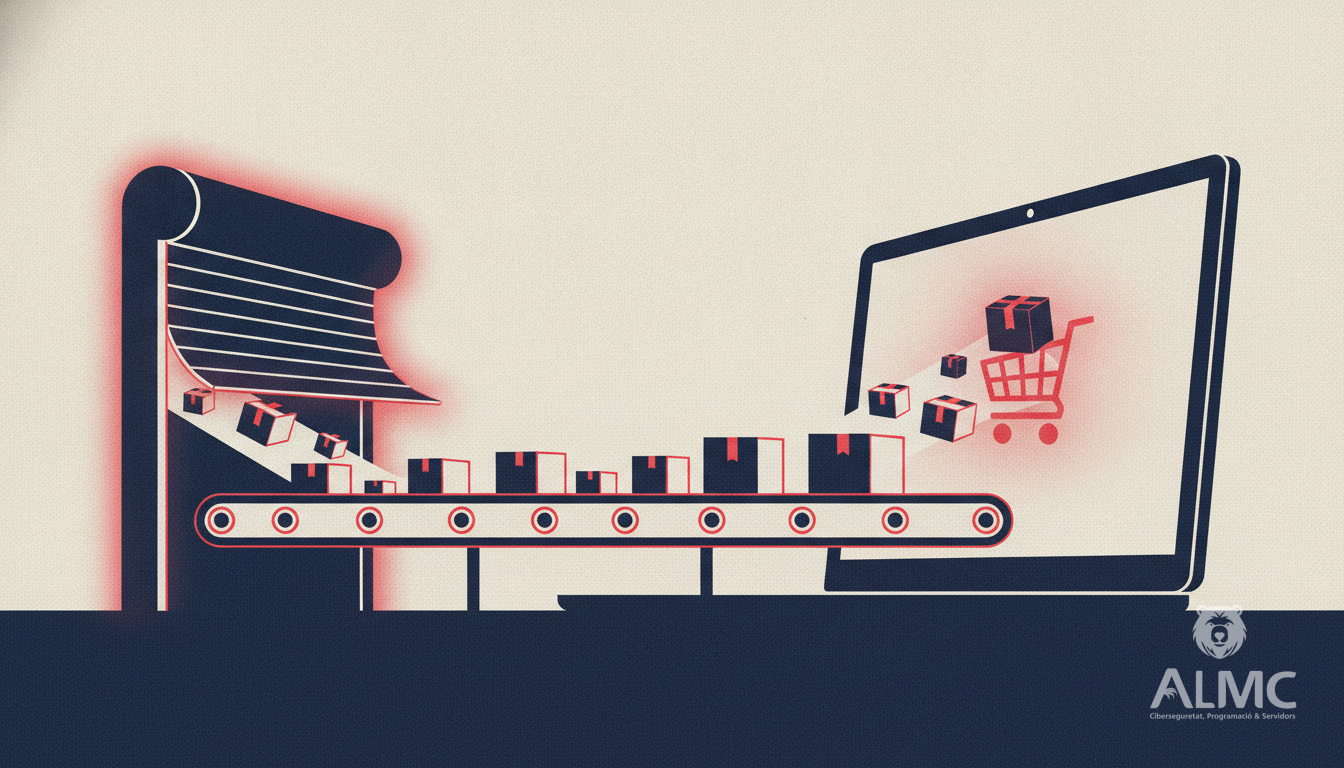
In the evolving landscape of retail, the lines between physical and digital shopping are blurring. A recent trend sees ecommerce giants experimenting with immersive physical spaces that showcase products in curated environments, then seamlessly connect the experience back to their online platforms. This approach offers valuable lessons for businesses aiming to build online stores that truly sell. At ALMC, we specialise in creating ecommerce solutions with PrestaShop and WooCommerce that incorporate these insights to drive conversion and growth.
The Power of Experiential Discovery
Traditional online shopping often presents products in isolation: a sofa here, a lamp there. But what if your online store could replicate the inspiration of a beautifully designed room? Physical concept stores arrange products in complete settings, helping customers visualise how items work together. For ecommerce, this translates to rich, contextual product presentations. High-quality lifestyle images, 360-degree views, and augmented reality (AR) features can bridge the gap. Platforms like PrestaShop and WooCommerce support such enhancements through modules and plugins, allowing you to create an immersive browsing experience that reduces uncertainty and boosts confidence.
Seamless Integration: Online and Offline
The most successful retail concepts don't treat online and offline as separate channels; they integrate them. Customers might browse in-store, then scan a QR code to purchase online with home delivery. For your ecommerce site, this means ensuring a consistent experience across devices and touchpoints. A mobile-optimised site with fast load times and easy navigation is crucial. Moreover, integrating your online store with inventory management, CRM, and logistics systems ensures that whether a customer buys online or in person, the experience is smooth. At ALMC, we build custom integrations that connect your ecommerce platform with your existing business tools, streamlining operations and enhancing customer satisfaction.
Personalisation: The Key to Conversion
Physical stores can offer personalised recommendations through attentive staff. Online, you can achieve this through data-driven personalisation. By analysing customer behaviour, purchase history, and preferences, you can display tailored product recommendations, dynamic pricing, and targeted promotions. PrestaShop and WooCommerce offer extensive personalisation capabilities, from product recommendation engines to personalised email campaigns. Implementing these features can significantly increase conversion rates and average order values. Remember, GDPR compliance is essential; ensure you handle customer data responsibly and transparently.
Technology as an Enabler, Not a Gimmick
Innovations like smart home displays and AI assistants in physical stores demonstrate how technology can enhance the shopping experience. For ecommerce, technology should serve a clear purpose: simplifying the buying process, providing better product information, or offering exceptional customer service. Features like live chat, AI-powered chatbots, and seamless checkout processes are not just nice-to-haves; they are expected by today's consumers. Our team at ALMC ensures your online store leverages the right technology stack to meet these expectations without overcomplicating the user experience.
Building Community and Engagement
Concept stores often include cafes, bookshops, and event spaces to encourage repeat visits and build a community. Online, you can foster engagement through content marketing, user-generated reviews, loyalty programmes, and social media integration. A blog with helpful guides, a forum for customers to share ideas, and exclusive offers for subscribers can turn one-time buyers into loyal advocates. For example, a Spanish retailer might host virtual workshops on home styling, linking products directly for purchase. This not only drives traffic but also builds a brand community around your ecommerce site.
Localisation for the Spanish Market
In Spain, ecommerce is thriving, with consumers in Barcelona, Madrid, Lleida, and beyond increasingly shopping online. To succeed, localisation is key. This means offering payment methods like Bizum, displaying prices in euros, and ensuring your site is available in Catalan and Spanish where relevant. Additionally, complying with local regulations such as GDPR and the LSSI (Ley de Servicios de la Sociedad de la Información) is non-negotiable. At ALMC, we tailor ecommerce solutions to the Spanish market, helping businesses in Catalonia and across Spain connect with their audience effectively.
Conclusion: Your Online Store as a Destination
The future of ecommerce lies in creating destinations, not just transaction points. By drawing inspiration from physical retail's focus on experience, integration, and personalisation, you can build an online store that not only attracts visitors but converts them into loyal customers. Whether you choose PrestaShop or WooCommerce, the right strategy and execution are paramount. ALMC's expertise in ecommerce development ensures your online store is equipped to thrive in the competitive digital marketplace.
Related
- WooCommerce vs PrestaShop: Which Ecommerce Platform Wins in 2025?
- CRO for Ecommerce: Turning WooCommerce and PrestaShop Templates into Sales Engines
- Agentic Commerce: How AI Agents Are Rewriting the Rules of Online Shopping
- Desarrollo web
Put these ideas into practice
Talk to ALMC about a solution for your business. Explore your options or contact our team.