
Critical JFrog Artifactory Flaw: Protect Your CI/CD Supply Chain
Critical JFrog Artifactory Flaw: Protect Your CI/CD Supply Chain
Why a Single Repository Can Bring Down Your Entire PipelineSoftware repositories are the silent backbone of modern development. They store the package...
Why a Single Repository Can Bring Down Your Entire Pipeline
Software repositories are the silent backbone of modern development. They store the packages, images, and dependencies that your CI/CD pipelines automatically pull and deploy. But what happens when that trusted source is compromised? A recently disclosed vulnerability in JFrog Artifactory, tracked as CVE-2026-82329, is already being exploited in the wild, and it serves as a stark reminder that your repository is a prime target for attackers.
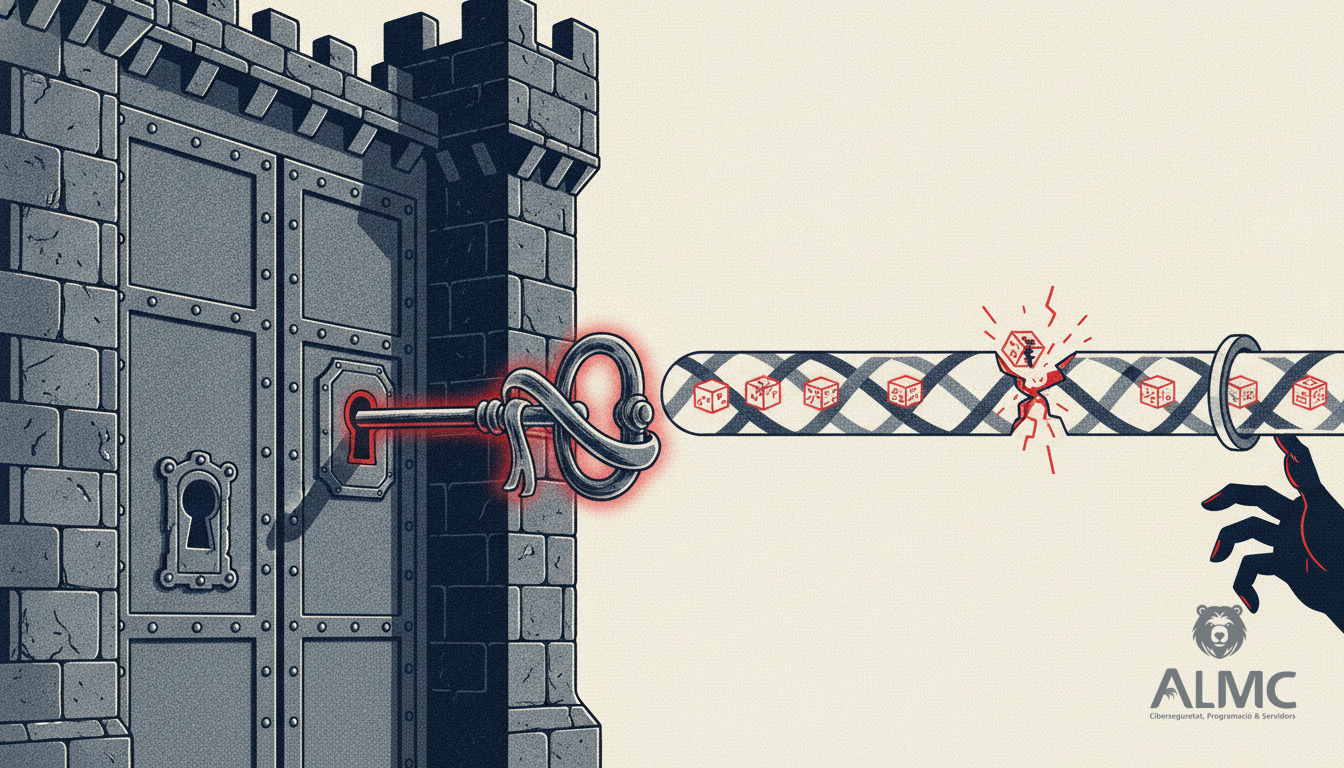
The flaw allows an unauthenticated attacker to forge or generate administrator tokens simply by having network access to the instance. In its default configuration, self-managed Artifactory installations are vulnerable. This is a common scenario in organisations that rush to deploy the service and leave it exposed to the internet without proper hardening.
The Real Danger: Supply Chain Contamination
Once an attacker gains administrative privileges, they can enumerate users and groups, access sensitive configuration files, and even view federated topologies. They can read stored artefacts and tamper with security settings. But the most damaging scenario is when the repository feeds automated CI/CD tools. By substituting an internal package or dependency with a malicious version, the attacker can poison everything downstream—from build runners to production environments. This is a classic supply chain attack, where a single point of compromise contaminates multiple systems.
For companies in Spain and across the EU, this is particularly concerning given the strict requirements of GDPR and the growing reliance on DevOps practices. A breach of this nature could expose customer data or lead to widespread service disruption.
Immediate Steps to Mitigate the Risk
JFrog Cloud instances are already protected, but self-managed deployments require immediate action. The vendor has released patched versions across all supported branches, including 7.111.21, 7.117.28, 7.125.20, 7.133.29, 7.146.38, and 7.161.20. However, applying the patch is not enough if attackers have already issued tokens. These tokens remain valid regardless of the binary update, so you must revoke and reissue all administrator tokens, review token expiry policies, and rotate credentials and secrets associated with pipelines and systems that authenticate against the repository.
Prioritise instances exposed to the internet, as they are the most at risk. Restrict network access to the Artifactory service to reduce the attack surface. Review audit logs for suspicious activity, such as anomalous token generation, mass enumeration of users, unexpected configuration changes, or unusual access to administrative APIs.
Assume Breach and Harden Your Supply Chain
If your organisation has had the service exposed during the vulnerable window, treat the environment as potentially compromised. Validate the integrity of artefacts published during that period and check for any substitutions. Extend the investigation to connected systems, including CI runners, deployment managers, and production servers, to rule out persistence or malicious changes.
Beyond this incident, consider hardening your software supply chain practices. Pin container images to immutable digests, verify signatures and provenance at deployment time—not just when artefacts are stored. Implement robust access controls and network segmentation to limit the blast radius of any future compromise.
Centralised Protection for Your Servers
Managing security across multiple servers can be overwhelming, especially when each machine requires individual attention. Solutions like Abuse Shield centralise your server protection by automatically blocking malicious IPs, managing fail2ban across multiple machines, and sharing a reputation feed among all your servers. This approach not only simplifies administration but also ensures that a threat detected on one server is immediately blocked on all others.
For system administrators, hosting companies, and SMEs with self-managed servers in Lleida, Barcelona, or anywhere in Catalonia, proactive security is essential. Don't wait for the next critical vulnerability to compromise your infrastructure. Take action today to protect your servers and your software supply chain.
Related
- Critical JFrog Artifactory Flaw: Protect Your Software Supply Chain
- Chrome Zero-Day: Update Now to Patch Actively Exploited Flaw
- Chrome Zero-Day: Urgent Patch for Actively Exploited V8 Flaw
- Desarrollo web
Put these ideas into practice
Talk to ALMC about a solution for your business. Explore your options or contact our team.