
Critical JFrog Artifactory Flaw: Protect Your Software Supply Chain
Critical JFrog Artifactory Flaw: Protect Your Software Supply Chain
Active Exploitation of a Critical Artifactory VulnerabilitySecurity researchers have confirmed that a critical vulnerability in JFrog Artifactory, ide...
Active Exploitation of a Critical Artifactory Vulnerability
Security researchers have confirmed that a critical vulnerability in JFrog Artifactory, identified as CVE-2026-82329, is being actively exploited in the wild. This flaw allows an unauthenticated attacker to forge administrator tokens simply by having network access to the instance. The issue affects self-managed installations that retain default configuration settings—a common scenario when repositories are deployed hastily and left exposed to the internet.
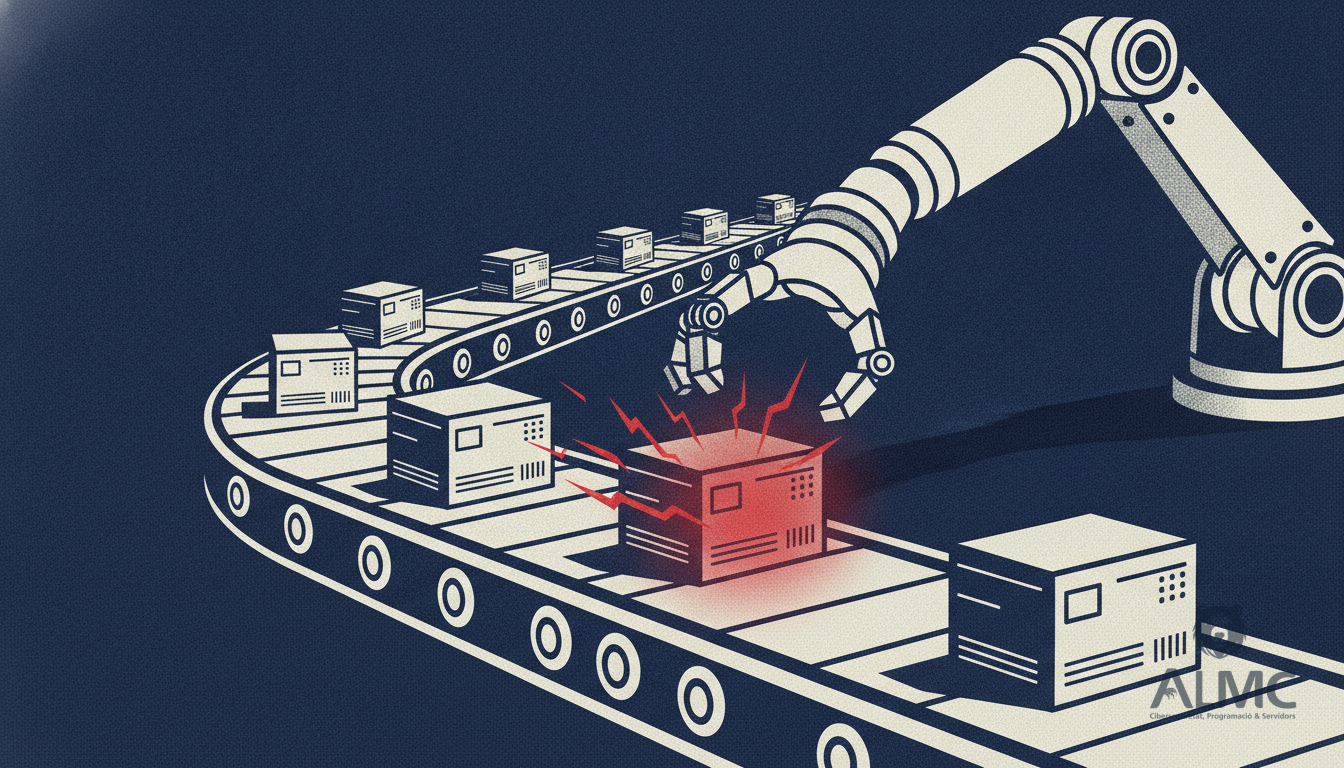
The impact is severe: attackers gain full administrative privileges without any credentials. Once inside, they can enumerate users, groups, and credential sets, review sensitive configurations, and even access federated topologies. They can also read stored artifacts and modify security settings, creating a dangerous situation for organizations that rely on Artifactory as the backbone of their software build and release processes.
The Supply Chain Domino Effect
The most damaging scenario occurs when the compromised repository feeds automated CI/CD pipelines and deployment tools. If an attacker substitutes an internal package, image, or dependency that the organization trusts, the change can propagate downstream—from integration runners to production environments. This is the classic pattern of a supply chain incident, where a single point of compromise contaminates multiple systems.
For example, a malicious artifact could be introduced into a build pipeline, leading to compromised software being deployed across an entire infrastructure. The attack is particularly insidious because the altered artifact appears legitimate, bypassing traditional security checks that focus on the development phase rather than the deployment phase.
Immediate Remediation Steps
JFrog Cloud is already protected, but self-managed instances require urgent action. The vendor has released patched versions across all branches: 7.111.21, 7.117.28, 7.125.20, 7.133.29, 7.146.38, and 7.161.20. Administrators should prioritize updating any instance exposed to the internet without delay.
However, applying the patch is not sufficient if attackers have already forged tokens. Token validity, expiration, and revocation operate independently of the binary update. Therefore, the recommended response includes:
- Revoke and reissue all administrator tokens to invalidate any forged credentials.
- Review token expiration policies to ensure they are set to short lifetimes.
- Rotate credentials and secrets associated with pipelines and systems that authenticate against the repository.
- Audit logs for suspicious activity, such as anomalous token generation, mass enumeration of users and groups, configuration changes, and atypical access to administrative APIs.
Treat Potentially Compromised Environments with Caution
If your organization has maintained an exposed service during the vulnerable window, it is prudent to treat the environment as potentially compromised. This includes validating the integrity of artifacts published during that period and checking for any substitutions. In parallel, strengthen supply chain controls in the deployment process by:
- Pinning images to immutable digests to prevent unauthorized changes.
- Verifying signatures and provenance at deployment time, not just when the artifact is stored.
Additionally, extend the investigation to connected systems, such as CI runners, deployment managers, and production servers, to rule out persistence or malicious modifications. The goal is to contain the blast radius and prevent a single vulnerability from compromising the entire software delivery pipeline.
Proactive Security for Your Infrastructure
This incident underscores the importance of proactive security measures for organizations that manage their own servers. While patching is critical, it is equally important to reduce the attack surface by limiting network access to administrative interfaces and implementing robust monitoring.
At ALMC.es, we understand the challenges of maintaining secure server environments. Our Abuse Shield service centralizes protection for your servers by automatically blocking malicious IPs, managing fail2ban across multiple machines, and sharing a reputation feed among all your servers. This approach helps you stay ahead of threats like CVE-2026-82329 by providing real-time visibility and automated responses to suspicious activity.
If you are responsible for hosting infrastructure in Spain or managing your own servers, consider how a centralized security solution can simplify your operations and enhance your defense posture. With Abuse Shield, you can focus on your core business while we help safeguard your digital assets.
Related
Put these ideas into practice
Talk to ALMC about a solution for your business. Explore your options or contact our team.