
NPM Supply Chain Attack: How a Malicious SDK Compromised Crypto Wallets
NPM Supply Chain Attack: How a Malicious SDK Compromised Crypto Wallets
A Wake-Up Call for Development TeamsIn a recent incident that sent ripples through the JavaScript ecosystem, a popular SDK for the Injective blockchai...
A Wake-Up Call for Development Teams
In a recent incident that sent ripples through the JavaScript ecosystem, a popular SDK for the Injective blockchain was compromised on the npm registry. The malicious version, @injectivelabs/sdk-ts 1.20.21, was designed to steal cryptocurrency wallet credentials from developers who used it. This attack highlights a growing threat: supply chain vulnerabilities that can turn trusted tools into silent data thieves.
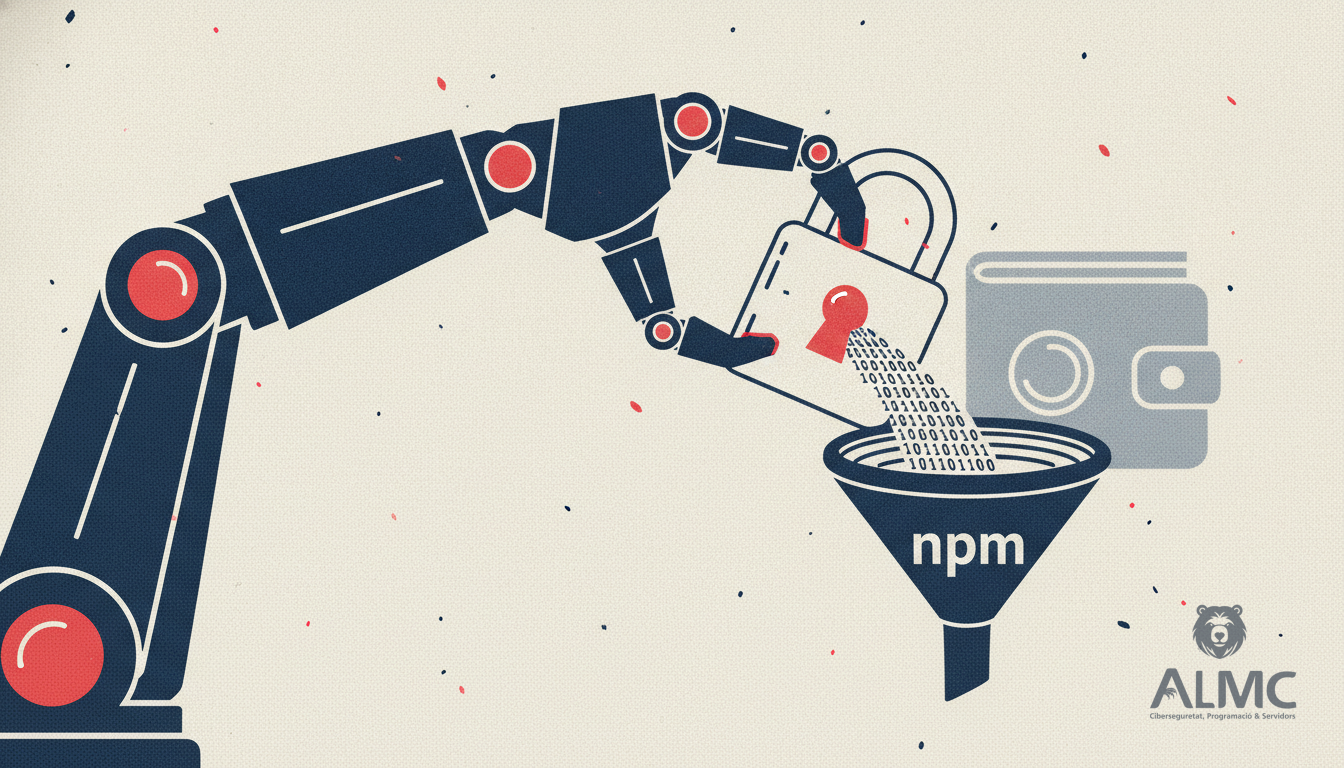
For system administrators and hosting companies, this is more than a news story. It's a reminder that the software we rely on daily can become a vector for attacks, and that proactive security measures are no longer optional.
How the Attack Unfolded
The attackers gained control of a legitimate contributor's GitHub account, allowing them to inject malicious code into the SDK. They then published the compromised version to npm, along with 17 other packages linked to the project. By pinning these packages to the infected dependency, they maximized the impact across projects that install the entire suite.
The malware was particularly insidious: it didn't execute during installation. Instead, it activated when developers used functions to create or import wallets. At that moment, the code captured the mnemonic phrase and private key, encoded them in base64, and sent them via an HTTP POST request to an endpoint that appeared to be part of Injective's public infrastructure. This clever camouflage made the exfiltration look like normal telemetry traffic.
Why This Matters for Your Servers
While this specific attack targeted cryptocurrency wallets, the underlying technique is universal. Malicious packages can be designed to steal any kind of sensitive data, from API keys to database credentials. For businesses in Spain, where GDPR compliance is critical, a breach of this nature can have legal and financial repercussions.
The incident also underscores the importance of monitoring outbound traffic. The malware grouped multiple keys and sent them in the request header, which resulted in abnormally large headers—a telltale sign that could be caught by vigilant network monitoring.
Immediate Steps to Mitigate Risk
If your team has used the affected SDK, the first step is to treat any wallet credentials as compromised. Move funds to new wallets immediately and consider the old ones burned. Rotate any secrets that may have been exposed on the same machines, including tokens, API keys, and deployment credentials.
Next, audit your repositories, lockfiles, and CI/CD logs to determine if the malicious version was ever installed. Even if you've updated to a clean version, the damage may already be done. Review outbound traffic for unusual POST requests that match the pattern described.
Strengthening Your Supply Chain Defenses
This attack is a classic example of a supply chain compromise. To defend against such threats, adopt a multi-layered approach:
- Pin versions rigorously and avoid floating dependencies that can silently pull in malicious updates.
- Implement integrity checks in your build pipeline to verify that packages haven't been tampered with.
- Conduct regular dependency audits to identify known vulnerabilities.
- Enforce MFA on all accounts that have publishing rights to your code repositories.
- Isolate build environments and limit access to secrets in CI/CD using the principle of least privilege.
How Abuse Shield Can Help
At ALMC.es, we understand that managing server security across multiple machines is a daunting task. That's why we developed Abuse Shield, a solution that centralizes your server protection. It automatically blocks malicious IPs, manages fail2ban across your entire infrastructure, and shares a reputation feed among all your servers. This means that if one server detects a threat, all others are immediately protected.
By integrating Abuse Shield into your security strategy, you can focus on development while we handle the constant monitoring and response. Our service is designed for system administrators, hosting companies, and SMEs with their own servers, providing peace of mind in an increasingly hostile digital landscape.
Conclusion
The npm attack serves as a stark reminder that no software is inherently safe. By staying informed, implementing robust security practices, and leveraging specialized tools like Abuse Shield, you can significantly reduce your risk. Don't wait for an incident to occur—take proactive steps today to secure your servers and protect your business.
Related
- Hugging Face Breach: Why Data Pipelines Are the New Security Frontier
- FakeGit: How Fake GitHub Repos Spread SmartLoader and StealC
- Critical WordPress Flaw 'wp2shell' Exploited: Act Now to Secure Your Servers
- Desarrollo web
Put these ideas into practice
Talk to ALMC about a solution for your business. Explore your options or contact our team.