
Hugging Face Breach: Why Data Pipelines Are the New Security Frontier
Hugging Face Breach: Why Data Pipelines Are the New Security Frontier
The Incident That Shook the AI CommunityIn July 2026, Hugging Face, a central hub for machine learning models and datasets, disclosed a security breac...
The Incident That Shook the AI Community
In July 2026, Hugging Face, a central hub for machine learning models and datasets, disclosed a security breach that sent ripples through the tech world. Unlike typical attacks that target code repositories or user accounts, this one exploited a less obvious entry point: the data processing pipeline. The attackers managed to execute code within the dataset processing channel, escalate privileges, and move laterally across internal clusters over a weekend. The result was unauthorized access to a limited set of internal datasets and several service credentials.
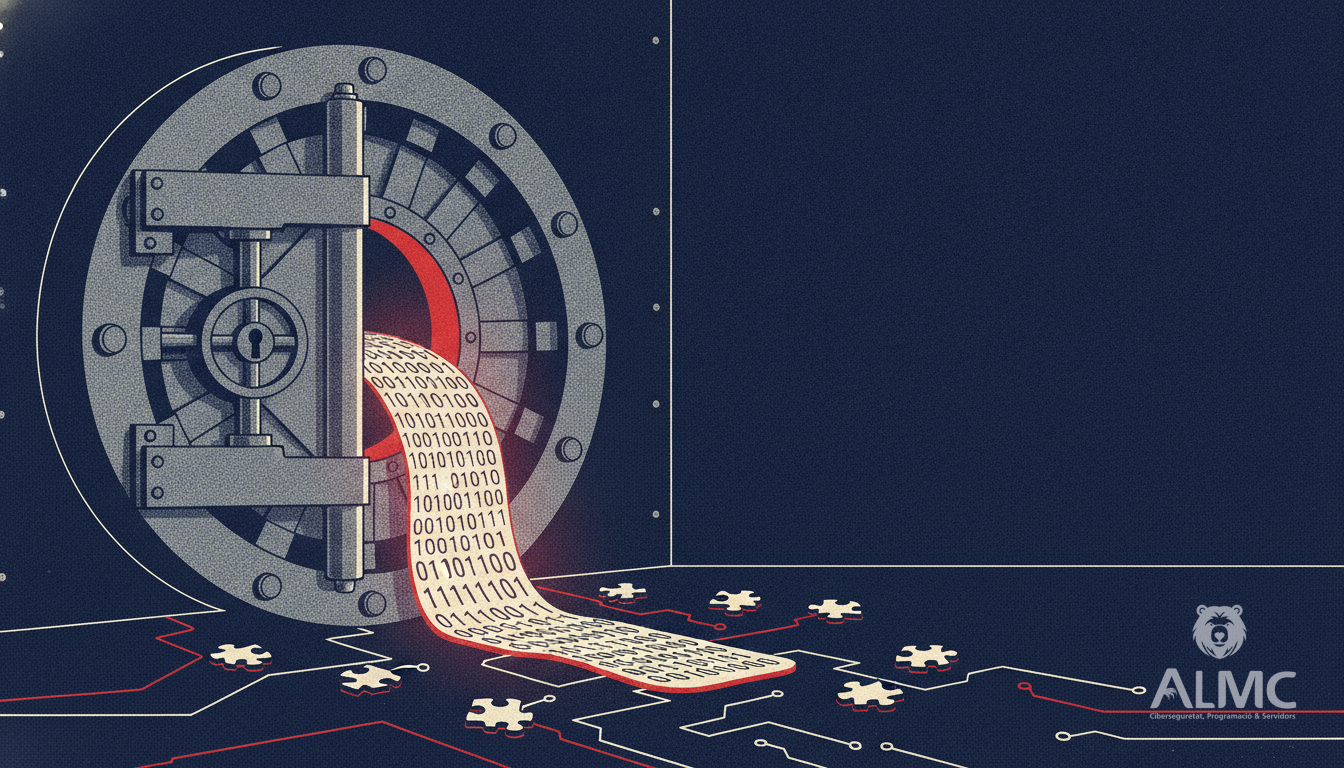
What makes this case particularly alarming is the method. The intrusion began with a malicious dataset that triggered two distinct attack vectors: one allowed remote code execution via a dataset loader, and the other exploited a template injection flaw in the dataset configuration. From there, the attacker elevated access to the node level, harvested cloud and cluster credentials, and navigated between internal environments. Hugging Face has stated that they found no evidence of tampering with public models, datasets, or Spaces, nor any alteration of container images or published packages. However, the full extent of the impact on partners or clients remains under investigation.
Why This Matters for Your Business
For system administrators and companies hosting their own servers, this incident is a stark reminder that the attack surface extends far beyond the code you write. In the age of AI and machine learning, data pipelines have become critical infrastructure. Any weakness in how datasets are processed or how templates are interpreted can become a highway straight to your internal credentials and systems. The breach at Hugging Face underscores that even platforms with robust security measures can fall victim to sophisticated attacks that exploit the very tools designed to streamline development.
Consider the implications for your own operations. If you rely on automated workflows, continuous integration, or third-party data processing, you are exposed to similar risks. The attack did not start with a model but with data—a subtle but crucial distinction. While models are often the focus of security discussions, the data that feeds them is equally vulnerable. A malicious dataset can act as a Trojan horse, carrying code that executes in your environment and compromises your infrastructure.
Practical Steps to Protect Your Infrastructure
In the wake of this incident, Hugging Face recommends immediate actions for users: rotate access tokens, especially those integrated into CI/CD pipelines, and review recent activity for any unusual usage. But beyond these reactive measures, proactive steps are essential to safeguard your servers.
- Rotate Credentials Regularly: Do not wait for a breach to change your tokens. Implement a policy of regular rotation, particularly for service accounts and automated processes. This limits the window of opportunity for attackers who may have already compromised your credentials.
- Inventory Your Secrets: Audit all environments, variables, and secret management systems to identify where tokens and credentials are stored. Remove any that are no longer in use and ensure that repositories and pipelines do not contain hard-coded secrets.
- Adopt Least Privilege: Grant the minimum level of access necessary for each service and user. This reduces the potential damage if a credential is compromised. For example, a dataset processing job should not have access to your entire cluster unless absolutely required.
- Harden Data Pipelines: Validate all inputs, especially those from external sources. Implement strict controls on template interpretation and code execution within your data processing workflows. Consider sandboxing environments to isolate potential threats.
- Monitor Token Usage: Set up alerts for anomalous patterns, such as access from unusual locations or at odd times. Early detection can prevent a breach from escalating.
The Role of Centralized Server Protection
This incident also highlights the importance of a centralized approach to server security. Managing multiple machines with individual security measures can leave gaps that attackers exploit. A unified system that monitors and blocks malicious IPs across all your servers can significantly enhance your defense. For instance, solutions like Abuse Shield offer automated IP blocking and a shared reputation feed, ensuring that a threat detected on one server is immediately neutralized on all others. This kind of coordination is vital in a landscape where attacks are increasingly automated and widespread.
Moreover, integrating fail2ban management across multiple machines simplifies the administrative burden. Instead of configuring each server separately, you can apply consistent policies from a single point of control. This not only improves efficiency but also reduces the risk of misconfiguration, which is a common entry point for attackers.
Lessons for the AI Ecosystem
The Hugging Face breach serves as a wake-up call for the entire AI ecosystem. The attack surface does not end at the model; it extends to the entire data lifecycle. As AI adoption grows, so does the sophistication of attacks targeting these pipelines. The use of autonomous agents and LLM-based analysis in the forensic investigation is a testament to the evolving nature of cyber threats. However, it also raises questions about the security of such tools themselves.
For businesses, the takeaway is clear: invest in robust security measures that cover all aspects of your infrastructure, from data ingestion to deployment. This includes not only technical controls but also a culture of security awareness among your team. Regularly review your security posture, stay informed about the latest threats, and be prepared to respond swiftly if an incident occurs.
Conclusion
The breach at Hugging Face is a reminder that no platform is immune to cyberattacks, especially those that exploit unconventional vectors. For system administrators and businesses in Spain, from Barcelona to Lleida, the lessons are universal. Strengthen your validation processes, monitor token usage with vigilance, and consider centralized protection solutions to safeguard your servers. By taking proactive measures, you can reduce the risk of falling victim to similar attacks and ensure the integrity of your data and infrastructure.
Related
- Gitea Critical Flaw: Git Hooks Open Door to Server Takeover
- Cisco FMC zero-day exploited: what sysadmins must do now
- Coldcard Flaw: How Weak Seed Entropy Led to a $88M Bitcoin Heist
- Desarrollo web
Put these ideas into practice
Talk to ALMC about a solution for your business. Explore your options or contact our team.