
Barefoot Footwear and the New Rules of Online Selling
Barefoot Footwear and the New Rules of Online Selling
From specialist shelf to mainstream catalogueFor years, barefoot shoes were the preserve of a handful of specialist shops and a very committed communi...
From specialist shelf to mainstream catalogue
For years, barefoot shoes were the preserve of a handful of specialist shops and a very committed community. That picture is changing. Established footwear brands with decades of history behind them are now adding wide-toe, flexible, zero-drop models to their ranges, and in some cases the category is no longer a side project but a meaningful share of turnover. One long-running Spanish footwear firm has gone as far as describing barefoot as roughly half of its sales, with conventional styles still making up the rest.
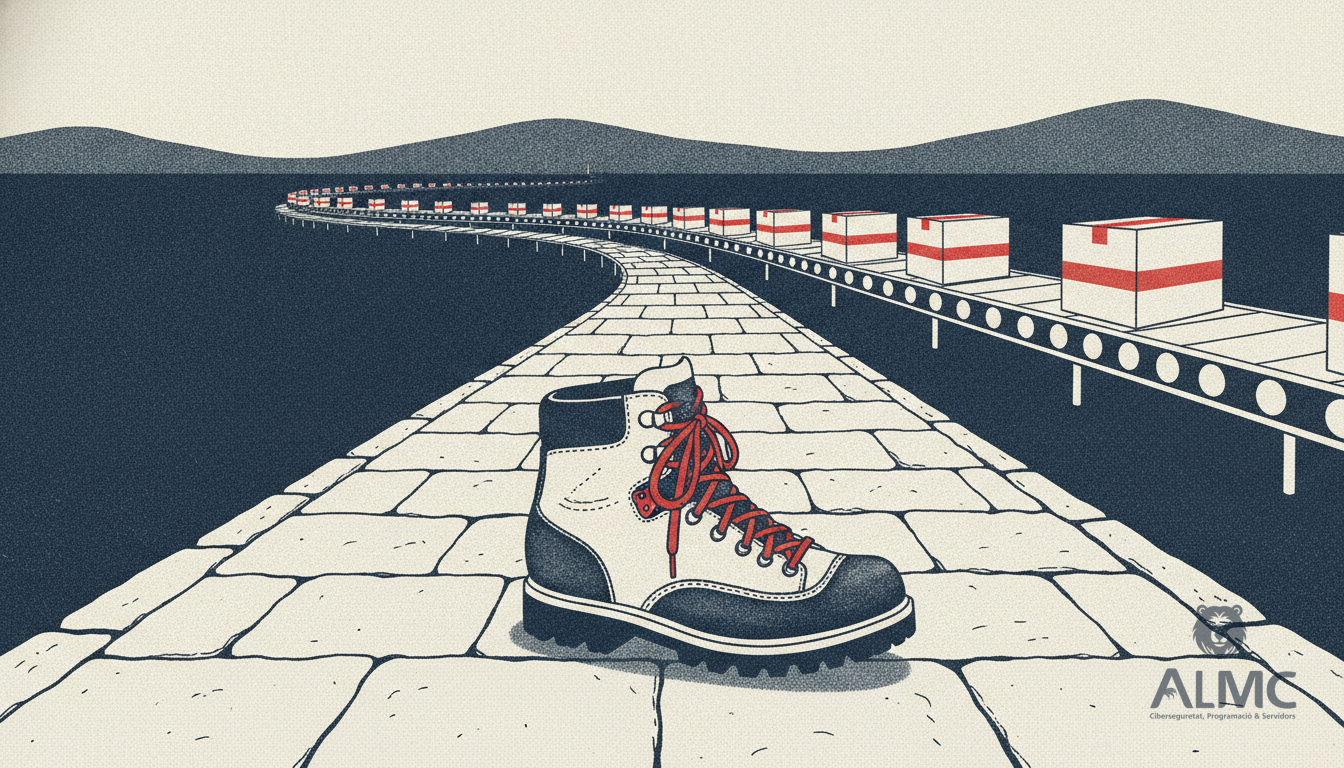
That shift matters well beyond the shoe industry. It is a reminder that niche categories can grow into serious commercial territory, and that the retailers who notice early tend to be the ones who capture the demand. For shops and brands across Catalonia — from Barcelona to Lleida, Tarragona and Girona — the question is rarely whether the product exists. It is whether the online store is ready to sell it properly.
Why a niche product needs a better online shop, not just a product page
A conventional pair of trainers sells itself with a photo, a size selector and a price. A barefoot boot does not. Buyers arrive with questions: how wide is the toe box, how much ground feel does the sole give, is it suitable for long-distance walking, does it work on wet terrain? If the store cannot answer those questions clearly, the visitor leaves and buys elsewhere.
This is where the difference between a shop that exists and a shop that sells becomes obvious. A well-built ecommerce site — whether on PrestaShop or WooCommerce — gives you the tools to handle that complexity:
- Structured product pages with technical specifications, materials, sole type and sizing guidance, so customers can compare models without contacting support.
- Dedicated landing pages per launch, explaining the story behind a model, the collaboration or the campaign, and linking back to the buy button.
- Visible entry points on the home page, so a new release is the first thing a returning visitor sees rather than being buried three clicks deep.
- Content that travels: video, photography and editorial pieces that can be reused across product pages, newsletters and social channels.
None of this is exotic technology. It is a matter of designing the store around how people actually decide to buy, rather than around how the catalogue happens to be organised internally.
Campaigns that start online and feed the whole business
The most instructive part of a launch like this is the sequencing. The marketing team plans the online channel first, then builds the offline support around it. A real-world test — in this case, a doctor of sports medicine walking several stages of the Camino de Santiago in the boots — generates a documentary, short video clips and photography. Those assets then populate a launch landing page, a home-page banner and a rolling content plan across social platforms.
For smaller retailers, the lesson scales down neatly. You do not need a film crew. You need a habit: every new product or collection gets its own landing page, a clear home-page slot, and a small set of assets produced once and reused everywhere. The store becomes the hub, and social media becomes the traffic source rather than the other way round.
Conversion is a stack, not a single trick
Getting visitors to a product page is only the first step. What turns interest into revenue is a combination of factors that have to work together: fast loading on mobile, clean navigation, transparent shipping and returns information, trust signals and a checkout that does not punish the buyer with unnecessary steps. In Spain this also means GDPR-compliant consent management, clear cookie handling and privacy information that is easy to find and easy to understand.
It also means pricing in euros without surprises, delivery expectations that match reality, and payment methods that local customers actually use. These details rarely appear in a marketing plan, but they decide whether a campaign produces orders or merely traffic.
What this means for your shop
The barefoot story is really a story about positioning. A brand with decades of history managed to enter a growing category without abandoning its core identity, and used its online channel to explain the change to its audience. Whether you sell footwear, outdoor gear, homeware or anything else, the pattern holds: identify the category that is growing, build the online store to explain it properly, and give every launch the digital infrastructure it deserves.
If your current shop struggles to present complex products, or if campaigns generate interest that never converts into sales, the problem is usually structural rather than creative. A store built to measure — with the right platform, the right product architecture and conversion optimisation baked in — turns a niche into a reliable revenue line. That is the difference between having a website and running an ecommerce business.
Related
- WooCommerce vs PrestaShop: Which Ecommerce Platform Wins in 2025?
- CRO for Ecommerce: Turning WooCommerce and PrestaShop Templates into Sales Engines
- Agentic Commerce: How AI Agents Are Rewriting the Rules of Online Shopping
- Desarrollo web
Put these ideas into practice
Talk to ALMC about a solution for your business. Explore your options or contact our team.