
Blog
Restrictions for BuddyPress: critical RCE in WordPress
What it is and who is affectedThe National Vulnerability Database (NVD) of NIST has published CVE-2026-120539, a remote code execution flaw in the Wor...
What it is and who is affected
The National Vulnerability Database (NVD) of NIST has published CVE-2026-120539, a remote code execution flaw in the WordPress plugin Restrictions for BuddyPress, identified as CWE-95 (improper neutralisation of code in eval). The issue affects all versions up to and including 1.5.4.
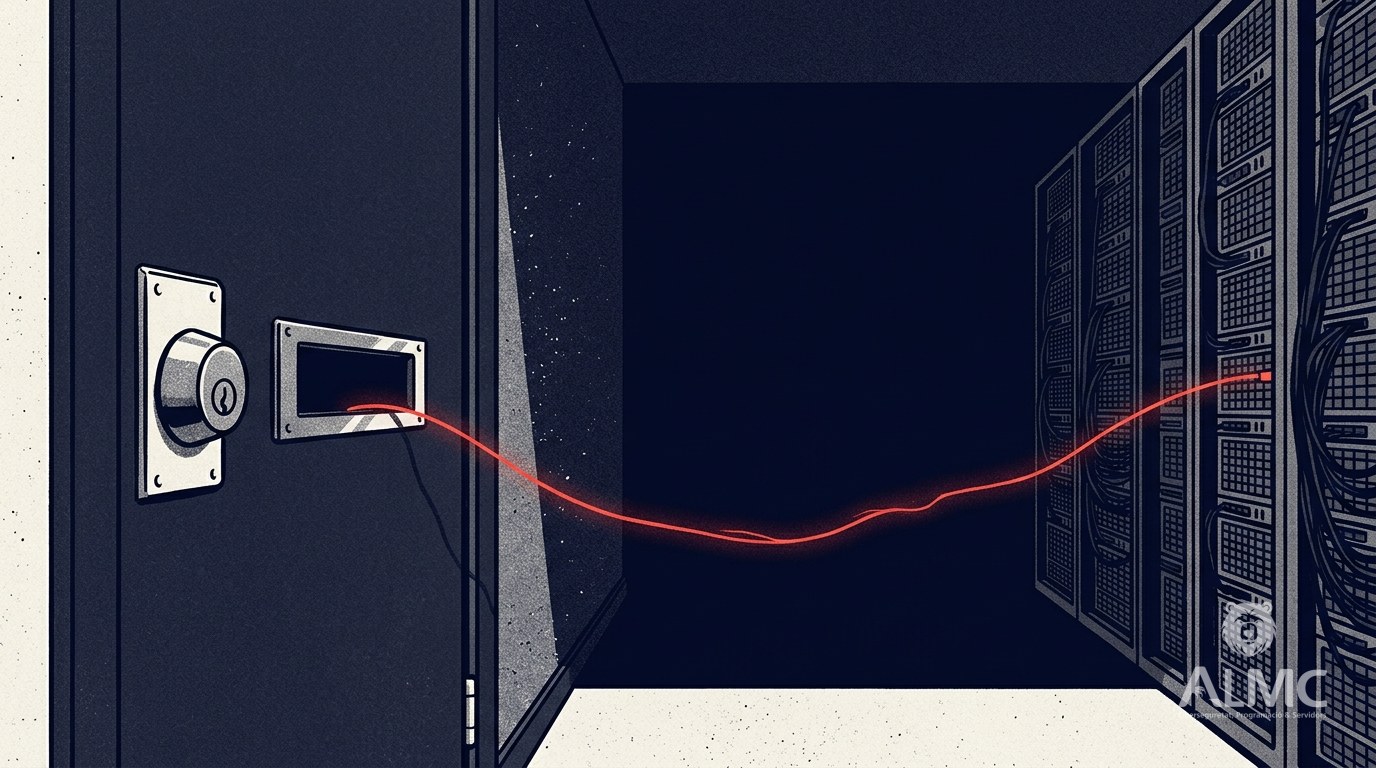
The technical cause is a dangerous combination: the plugin takes the request URI, which an attacker fully controls, inserts it into a PHP expression inside a double-quoted string and evaluates it with eval(). Because PHP interpolates double-quoted strings, a payload of the form {${...}} placed in the URL path is executed during that interpolation. No quote breakout is needed, and the slashing that WordPress applies to request data does not mitigate it. The result is that an unauthenticated attacker can run arbitrary code on the server with a single GET request.
Two conditions make this worse. The affected code paths ship enabled by default and are evaluated before any logged-in check, so no plugin configuration is required. The site must, however, have BuddyPress and Paid Memberships Pro active alongside the plugin, which is a common combination on community and membership sites.
The severity is CVSS 3.1 score 9.8, CRITICAL (vector CVSS:3.1/AV:N/AC:L/PR:N/UI:N/S:U/C:H/I:H/A:H). In plain terms: reachable over the network, low complexity, no privileges and no user interaction, with high impact on confidentiality, integrity and availability. Any WordPress installation in Spain or Catalonia running this stack — a members' portal, a professional association site, a subscription-based online shop — should treat it as a priority.
Why act now, even without confirmed exploitation
As of publication, CVE-2026-120539 does not appear in CISA's KEV catalogue, and there is no public record that it is being exploited in the wild. That is not a reason to wait. A critical, unauthenticated RCE in a WordPress plugin is exactly the kind of entry point that automated scanners find within hours of disclosure, and the effort required to exploit it is minimal.
Note also that the flaw was published in NVD on 21 November 2026. The longer a site stays on an affected version, the wider the window for opportunistic attacks, web shells and lateral movement towards databases, backups and customer data — with the GDPR obligations that follow any personal data breach.
What to do today
- Check whether the plugin is installed and in which version. Confirm that Restrictions for BuddyPress is present and whether it is 1.5.4 or earlier. If BuddyPress and Paid Memberships Pro are not active, the vulnerable conditions described by NVD are not met, but the plugin should still be reviewed.
- Apply the fix indicated by the vendor. The plugin's release history points to version 1.5.5 as the reference for remediation; follow the instructions in the official notice and the plugin repository rather than improvising. If you cannot update immediately, consider deactivating the plugin until you can.
- Look for signs of intrusion. Review web server and application logs for unusual GET requests with encoded or brace-like patterns in the path, unexpected PHP files in upload directories, new administrator accounts, modified theme or plugin files, and outbound connections you cannot explain.
- Reduce what is exposed to the internet. Restrict access to wp-admin and wp-login.php by IP where possible, keep WordPress core, themes and plugins updated, remove plugins that are not in use, and make sure you have recent, tested backups stored separately from the web server.
How a cybersecurity team like ALMC's can help
For small businesses, online shops and companies with a small IT team, this kind of alert lands in the middle of everything else. That is where an external security partner makes a difference: an audit to inventory what is actually installed and which versions are running, a pentest to confirm whether a specific configuration is really exposed, and server hardening to cut down the attack surface before the next CVE arrives.
ALMC's cybersecurity service covers vulnerability detection and closure, monitoring and incident response, and maintenance and updating of WordPress, PrestaShop and Joomla installations, as well as repairing websites that have already been compromised. The aim is simple: know what you have, patch it in time, and have a clear plan for the day something goes wrong.
Related
- Ivanti Connect Secure: CVE-2026-104935 Under Active Attack
- CVE-2026-96951: Windows Shell Command Injection Under Attack
- Click to Chat for WhatsApp: CVE-2026-92097 in WordPress
- Abuse Shield
Is your business exposed to flaws like this?
ALMC checks which versions you are running, applies the patches and hardens your servers and website. Contact our team for a security review.