
From SQL Injection to SYSTEM: How Oracle Java Became an Attacker's Tool
From SQL Injection to SYSTEM: How Oracle Java Became an Attacker's Tool
When a Classic Vulnerability Becomes a System-Wide ThreatIn the world of cybersecurity, we often focus on the latest zero-day exploits or sophisticate...
When a Classic Vulnerability Becomes a System-Wide Threat
In the world of cybersecurity, we often focus on the latest zero-day exploits or sophisticated malware. Yet, some of the most damaging attacks still begin with a vulnerability as old as the web itself: SQL injection. What makes these attacks particularly dangerous is not just the initial breach, but how attackers can chain that foothold into full control of your infrastructure. A recent incident observed by security researchers illustrates this perfectly: a SQL injection in an internet-facing application escalated to the execution of commands with SYSTEM privileges on a Windows server. The key to this escalation? A legitimate but often overlooked feature of Oracle Database: its built-in Java engine.
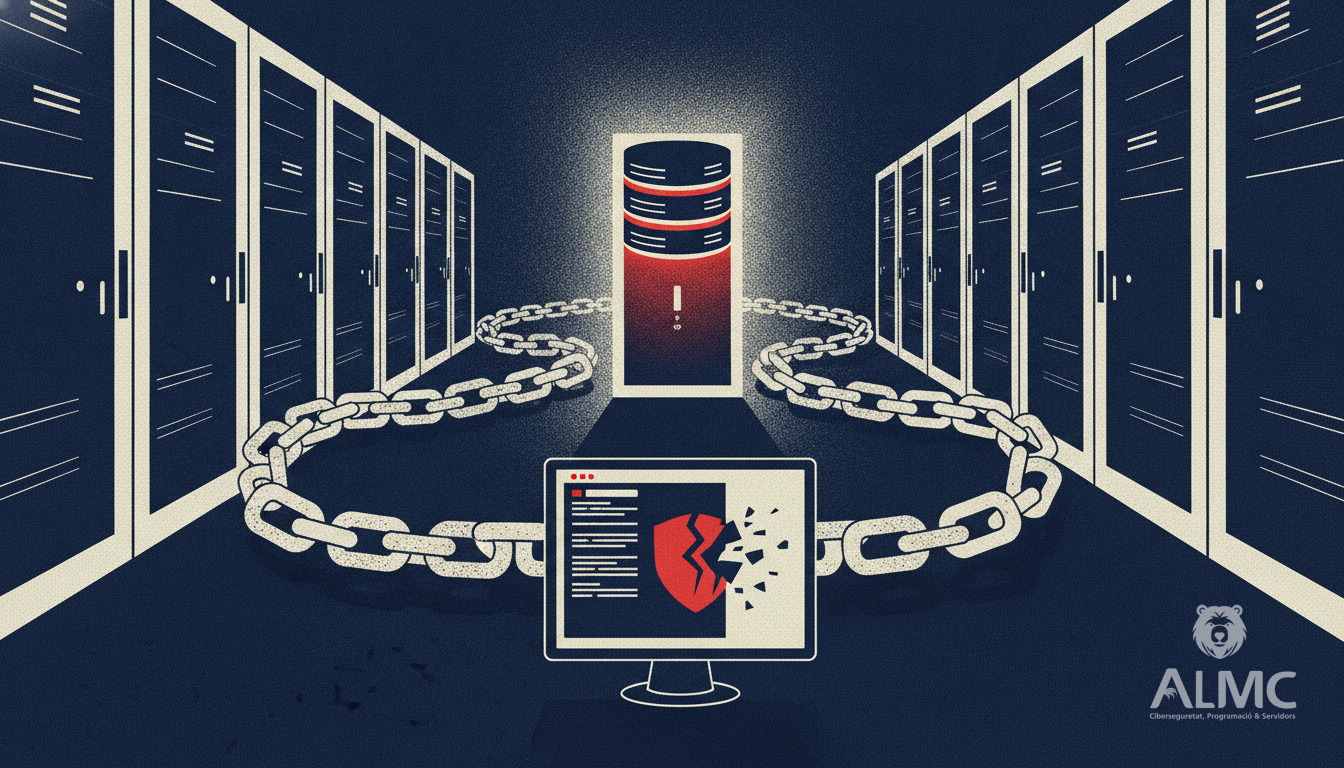
The Attack Chain: From Database to Operating System
The attack unfolded in stages. First, the attackers exploited a SQL injection vulnerability in an application to gain access to the underlying Oracle Database. Once inside, they leveraged Oracle's ability to load, compile, and execute Java code directly within the database engine. They introduced Java source code, converted it into schema objects, and compiled it on the server itself. This technique, known as post-exploitation, is particularly insidious because it avoids dropping traditional binaries on disk. Instead, the malicious activity resides within the database engine, which is often monitored less rigorously than the operating system or web server. The specific artefact used in this campaign, dubbed 'khunt', was identified through telemetry from Huntress, a security firm that tracks such threats.
Why Oracle's Java Engine Is a Double-Edged Sword
Oracle Database's Java support is a powerful feature designed for developers to build stored procedures and business logic. However, when left enabled without strict control, it expands the attack surface significantly. In this scenario, the attackers used Java to execute commands on the underlying host. When the Oracle process runs with elevated privileges on Windows, any command executed from within the database context inherits those high privileges, potentially escalating to SYSTEM. This means that a database compromise can quickly become a full server compromise, giving attackers access to sensitive data, other systems, and the ability to move laterally across your network.
Defence Starts at the Application Layer
This attack chain reinforces a fundamental principle: security begins at the application layer. The initial SQL injection was possible because the application likely concatenated user input into SQL queries without proper sanitization. The fix is well-known but frequently ignored: use parameterised queries and strict input validation. By eliminating SQL injection vulnerabilities, you cut off the attacker's initial foothold. No matter how secure your database or operating system is, a vulnerable application can be the gateway to your entire infrastructure.
Hardening Your Database and Host
Beyond application security, this incident highlights the need to harden your database and host environments. If your Oracle Database does not require Java for its core functions, disable it or restrict its usage to the absolute minimum. This limits what an attacker can do even if they gain access. Additionally, monitor for specific Oracle events that indicate malicious Java activity. Statements such as CREATE JAVA SOURCE, CREATE JAVA CLASS, and compilation operations should trigger alerts if they appear in production without a legitimate reason. Restrict DDL (Data Definition Language) privileges related to Java to only those who absolutely need them, and ensure the database account used by your application operates with the principle of least privilege. On the host side, harden the Windows server by ensuring the Oracle service does not run with unnecessary privileges. If the service runs as SYSTEM, an attacker who compromises the database can execute commands with those same privileges.
Monitoring and Visibility: Your Early Warning System
Gaining visibility into these attack vectors is crucial for early detection. Many organisations focus their monitoring efforts on the network and operating system, but database activity often goes unchecked. By implementing robust database auditing and monitoring, you can spot suspicious activity before it escalates. Look for unusual Java-related DDL, unexpected user connections, or attempts to execute operating system commands from within the database. These are strong indicators of a post-exploitation phase. In Spain, where data protection regulations like GDPR are strictly enforced, a breach that compromises personal data can result in significant fines and reputational damage. Therefore, investing in proactive security measures is not just a technical necessity but a legal and business imperative.
A Recurring Pattern: Powerful Features Without Governance
While no specific CVEs were disclosed for the initial access, and details about Oracle versions and configurations remain vague, the pattern is clear. When a critical platform like a database has powerful features enabled without proper governance, a classic vulnerability like SQL injection becomes a pathway to full system control. This is not an isolated incident; it reflects a broader trend where attackers exploit legitimate features to achieve their goals. The lesson for system administrators and IT managers is twofold: first, patch and secure your applications against common vulnerabilities; second, audit your database and server configurations to minimise the attack surface. By disabling unnecessary features, applying least privilege principles, and enhancing monitoring, you can significantly reduce the risk of such attacks succeeding.
Conclusion: A Layered Defence for a Real-World Threat
The attack chain from SQL injection to Windows SYSTEM access via Oracle's Java engine is a stark reminder that cybersecurity is not about any single layer of defence. It requires a holistic approach that encompasses secure coding practices, database hardening, host security, and continuous monitoring. For businesses in Lleida, Barcelona, or anywhere in Spain, understanding these attack vectors is the first step in protecting your infrastructure. At ALMC.es, we specialise in helping organisations secure their servers and data. Our Abuse Shield service centralises server protection, offering automatic blocking of malicious IPs, managed fail2ban across multiple machines, and a shared reputation feed that protects all your servers. By combining robust security practices with proactive monitoring, you can stay one step ahead of attackers and ensure your business remains resilient in the face of evolving cyber threats.
Related
- Guard Your Code: The GhostSplice MCP Attack and How to Stay Safe
- VMware vCenter CVE-2026-59310: Urgent Patch Guide for EU Admins
- SharePoint Server Critical Flaw: Immediate Steps to Secure Your Farm
- Desarrollo web
Put these ideas into practice
Talk to ALMC about a solution for your business. Explore your options or contact our team.