
Zapscape CVE-2026-64561: KVM Flaw Risks Host Security in Nested Virtualization
Zapscape CVE-2026-64561: KVM Flaw Risks Host Security in Nested Virtualization
Understanding the Zapscape VulnerabilityIn the ever-evolving landscape of cybersecurity, a new threat has emerged that demands the attention of system...
Understanding the Zapscape Vulnerability
In the ever-evolving landscape of cybersecurity, a new threat has emerged that demands the attention of system administrators and hosting providers across Spain and beyond. Dubbed Zapscape and registered as CVE-2026-64561, this flaw resides in the KVM/x86 subsystem of the Linux kernel. It poses a significant risk to environments that rely on nested virtualization, potentially allowing a malicious actor to break out of a virtual machine and compromise the host system.
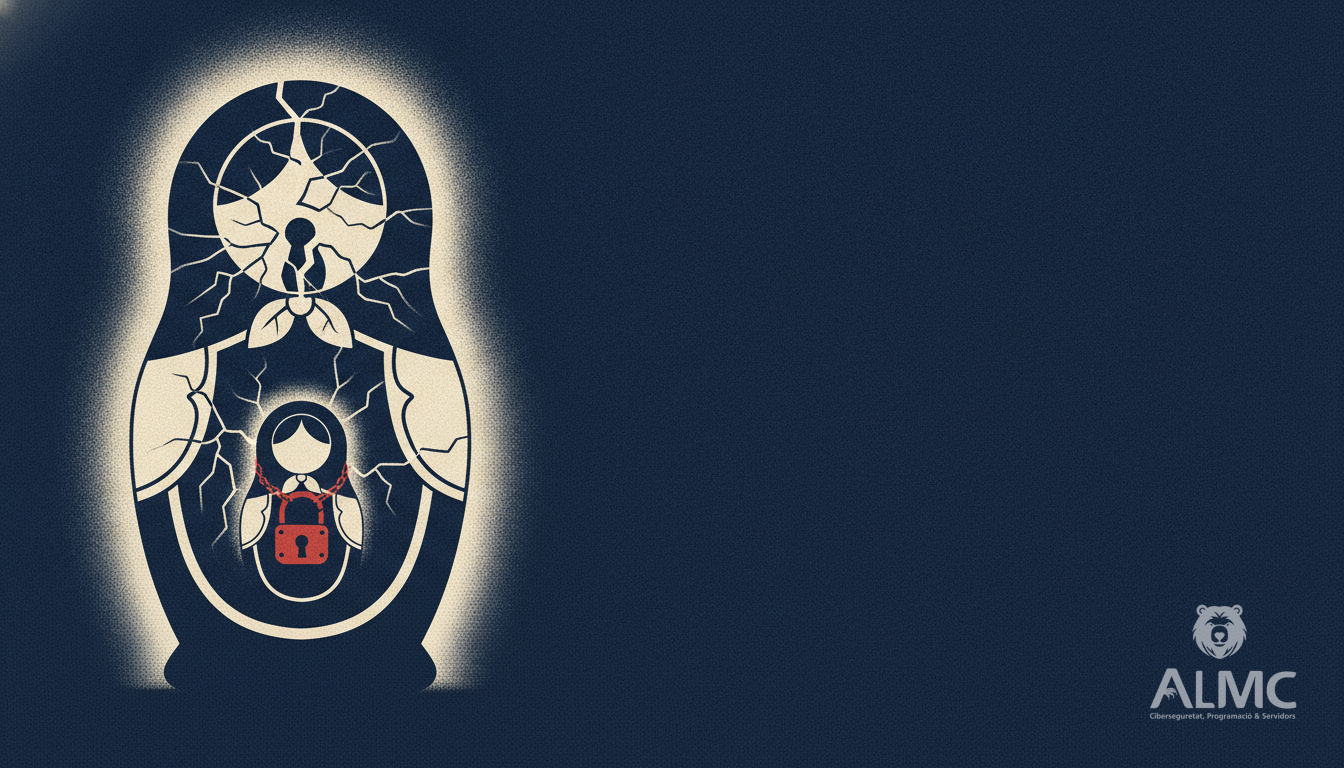
For businesses in Lleida, Barcelona, or anywhere in Catalonia that manage their own servers, understanding this vulnerability is crucial. The core issue lies in how KVM handles shadow page tables when a guest VM (L1) itself acts as a hypervisor for another VM (L2). In such nested setups, the isolation that typically protects the host from activities inside a VM can be weakened, creating a path for privilege escalation.
Technical Breakdown: How the Exploit Works
The vulnerability stems from an incorrect order of operations when checking a condition related to 'stale root' entries during guest page fault handling. This flaw can lead to a use-after-free scenario, where memory that has been freed is still referenced. An attacker with kernel-level privileges in an L1 guest could exploit this to execute arbitrary code on the host with root permissions. The public disclosure includes a proof-of-concept that demonstrates creating a file named /Zapscape on the host, proving the escape.
On Intel processors, the attack requires that the L1 guest has exposed EPT page walk lengths of 4 and 5. For AMD, no equivalent condition has been identified in the published information. While there is no evidence of active exploitation in the wild, the potential impact is severe, particularly for multi-tenant environments where multiple customers share the same physical hardware.
Affected Versions and Immediate Mitigations
The vulnerability affects Linux kernels from version 5.9 onwards. Fortunately, patches have been released and integrated into the mainline kernel and stable branches. Corrected versions include 6.6.148, 6.12.101, 6.18.42, 7.1.6, and 7.2-rc5. The most straightforward mitigation is to update to a patched kernel or install the vendor's backported patch.
In addition to patching, system administrators should take a proactive stance:
- Inventory your hosts: Identify which servers offer nested virtualization to untrusted tenants. These should be prioritized for patching.
- Disable nested virtualization when not needed: If a server does not require this feature, turning it off immediately reduces the attack surface.
- Verify effective kernel versions: Some distribution patches are backported, so the version string may not directly reflect the upstream fix. Always check with your distribution's security tracker.
- Test safely: If you need to validate the risk internally, run any proof-of-concept only in controlled, isolated environments—never on production systems.
Why This Matters for Your Business
For companies in Spain that handle sensitive data or provide hosting services, the implications of this vulnerability are clear. A successful exploit could lead to data breaches, service disruption, and loss of customer trust. The European Union's GDPR imposes strict penalties for inadequate security measures, making it imperative to address such flaws promptly.
Moreover, the complexity of modern IT infrastructures often means that vulnerabilities can lurk in unexpected places. Regular security audits and staying informed about the latest threats are essential practices. By taking immediate action to patch and reassess your virtualization strategies, you can significantly reduce the risk of falling victim to attacks exploiting CVE-2026-64561.
Strengthening Your Server Security Posture
Beyond patching this specific vulnerability, it's wise to review your overall server security strategy. Centralizing protection across your infrastructure can help you respond faster to emerging threats. Solutions that offer automated IP blocking, managed fail2ban across multiple machines, and a shared reputation feed can provide a robust defense against malicious activities.
At ALMC.es, we understand the challenges of maintaining secure and efficient server environments. Our Abuse Shield service is designed to simplify and enhance your security operations. By consolidating threat intelligence and automating responses, you can focus on your core business while we help safeguard your digital assets.
Remember, cybersecurity is not a one-time effort but an ongoing process. Stay vigilant, keep your systems updated, and consider partnering with experts who can offer tailored solutions for your unique needs.
Related
- Guard Your Code: The GhostSplice MCP Attack and How to Stay Safe
- VMware vCenter CVE-2026-59310: Urgent Patch Guide for EU Admins
- SharePoint Server Critical Flaw: Immediate Steps to Secure Your Farm
- Desarrollo web
Put these ideas into practice
Talk to ALMC about a solution for your business. Explore your options or contact our team.