
Browser Extension Leaks OAuth Tokens: Lessons for Server Security
Browser Extension Leaks OAuth Tokens: Lessons for Server Security
When a Browser Extension Becomes a Supply Chain RiskA popular Twitch viewing extension, distributed through the official Chrome and Firefox add-on sto...
When a Browser Extension Becomes a Supply Chain Risk
A popular Twitch viewing extension, distributed through the official Chrome and Firefox add-on stores, was found to be forwarding OAuth session tokens to servers controlled by its operator. The incident affected tens of thousands of users and serves as a stark reminder that even curated marketplaces do not eliminate supply chain risk. For system administrators, hosting providers and SMEs running their own infrastructure in Spain, the episode offers more than a cautionary tale: it highlights how credential theft and unauthorised access can cascade into server-level compromise.
How OAuth Tokens Become a Skeleton Key
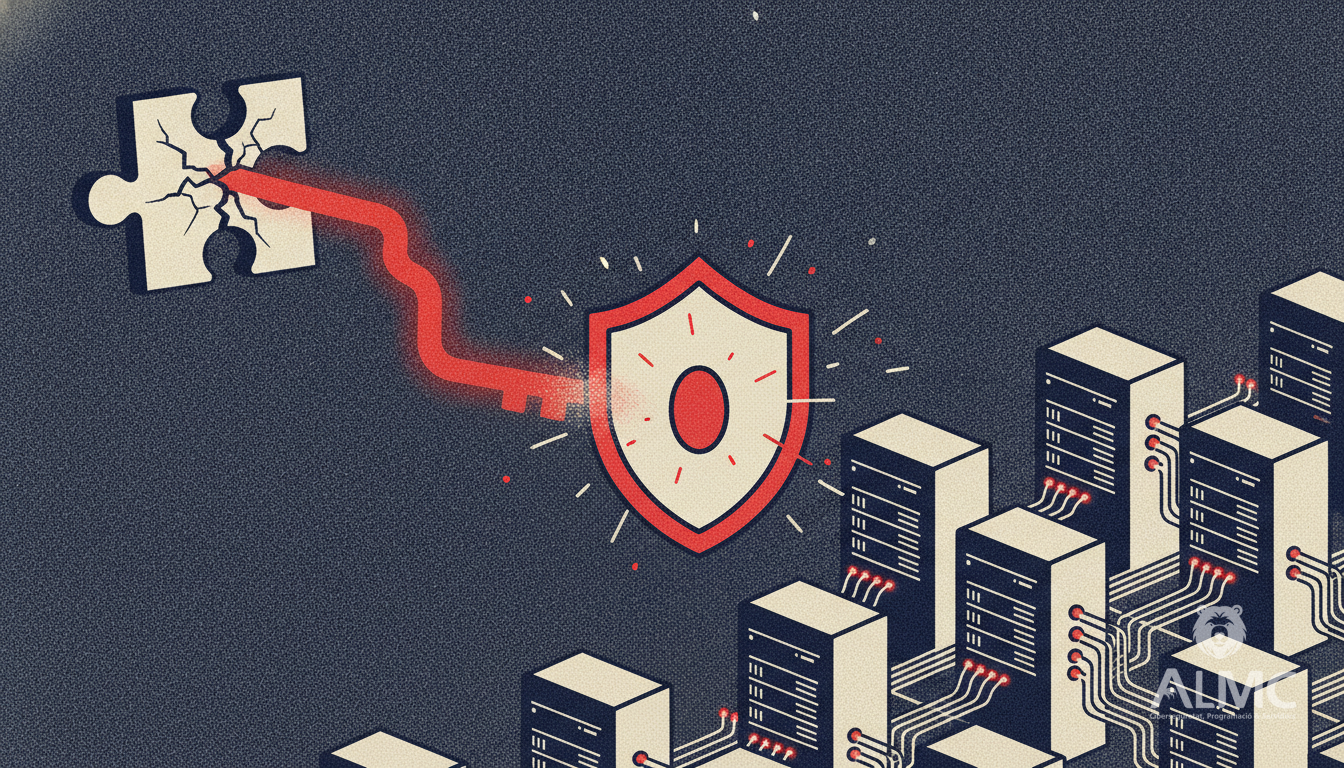
OAuth tokens are not merely internal references. They function as bearer credentials: whoever holds them can act as the authenticated user. In this case, the extension appended the token as an &auth= query parameter during network-level redirects to proxy servers. Because the token travelled inside a URL, it could be logged in plain text, multiplying the risk if those logs were mishandled or leaked. The forwarding applied to almost any channel a user opened, with only a small default blocklist. Later versions even introduced a parameter to restrict channels, but this offered an illusion of control rather than a fix for the underlying exfiltration.
The abuse potential is significant. An attacker with a valid token can read and send whispers, post in chat, or adjust account settings without knowing the password or bypassing two-factor authentication. Earlier versions of the extension had already experimented with POSTing tokens to a set-token endpoint, and even defined fallback endpoints on third-party domains. The pattern is consistent: convenience features quietly become data exfiltration channels.
What This Means for Your Servers
While this specific incident targeted a consumer platform, the underlying mechanics apply directly to server security. If a compromised token grants access to a service that manages servers, the blast radius expands. Consider a hosting company where staff use browser extensions to interact with control panels, or an SME where administrators install utilities to streamline workflows. A single leaked token can lead to unauthorised API calls, configuration changes, or data exfiltration.
The response to the Twitch incident was reactive: update to the patched version, uninstall the extension, revoke active sessions, and review recent activity. But reactive measures do not invalidate tokens that have already leaked. The same logic applies to server credentials: once a key is exposed, rotation is mandatory.
Centralising Protection with Abuse Shield
For organisations managing multiple servers, the lesson is clear: perimeter defence cannot rely on user vigilance alone. This is where Abuse Shield comes in. It centralises server protection by automatically blocking malicious IPs, managing fail2ban across multiple machines, and sharing a reputation feed between all your servers. If one server detects an attack, the others learn from it immediately.
Instead of configuring fail2ban manually on each host, you get a unified view and consistent policies. The shared IP reputation feed means that an IP blocked on your Barcelona node is also blocked on your Lleida or Tarragona infrastructure. This reduces the window of exposure and eliminates the repetitive work of per-server rule management.
Practical Steps for Administrators
- Inventory browser extensions on corporate machines and enforce allowlists. Block known malicious IDs by policy.
- Revoke and rotate credentials after any suspected leak. Do not assume a patch retroactively secures exposed tokens.
- Adopt a zero-trust mindset for sessions: treat every token as a potential liability.
- Centralise IP blocking with a tool like Abuse Shield to ensure consistent protection across all servers.
- Monitor logs for unusual API calls or authentication patterns, especially from new IPs.
Compliance and GDPR Considerations
Under GDPR, a credential leak that exposes personal data can trigger notification obligations. For businesses in Catalonia and across Spain, documenting security measures and demonstrating proactive protection is not just good practice but a regulatory expectation. Centralised tools that log blocked IPs and automate fail2ban management help build an audit trail and reduce the risk of human error.
The Bottom Line
The Twitch extension incident is a reminder that trust in official stores is not enough. Whether you manage a handful of servers or a fleet across multiple data centres, the principles are the same: minimise credential exposure, automate defence, and share threat intelligence. Abuse Shield provides that centralised layer, so your team can focus on operations rather than firefighting.
Related
- How to Harden Your Servers with Fail2ban and IP Reputation Feeds
- Fail2ban: Your First Line of Defense Against Unauthorized Server Access
- Critical libssh2 flaw: urgent patch for SSH servers
- Desarrollo web
Put these ideas into practice
Talk to ALMC about a solution for your business. Explore your options or contact our team.