
PHP2Shell: patching fast is only half the defence
PHP2Shell: patching fast is only half the defence
When a single language becomes everyone's problemThe disclosure of the PHP2Shell vulnerabilities — tracked as CVE-2026-109618 and CVE-2026-109619 — la...
When a single language becomes everyone's problem
The disclosure of the PHP2Shell vulnerabilities — tracked as CVE-2026-109618 and CVE-2026-109619 — landed like a thunderclap across the hosting world. The reason is simple arithmetic: PHP underpins the overwhelming majority of websites, either directly or buried inside third-party platforms, plugins and legacy applications that nobody remembers installing. When a flaw of this kind appears, it does not affect one product. It affects a shared layer of the internet.
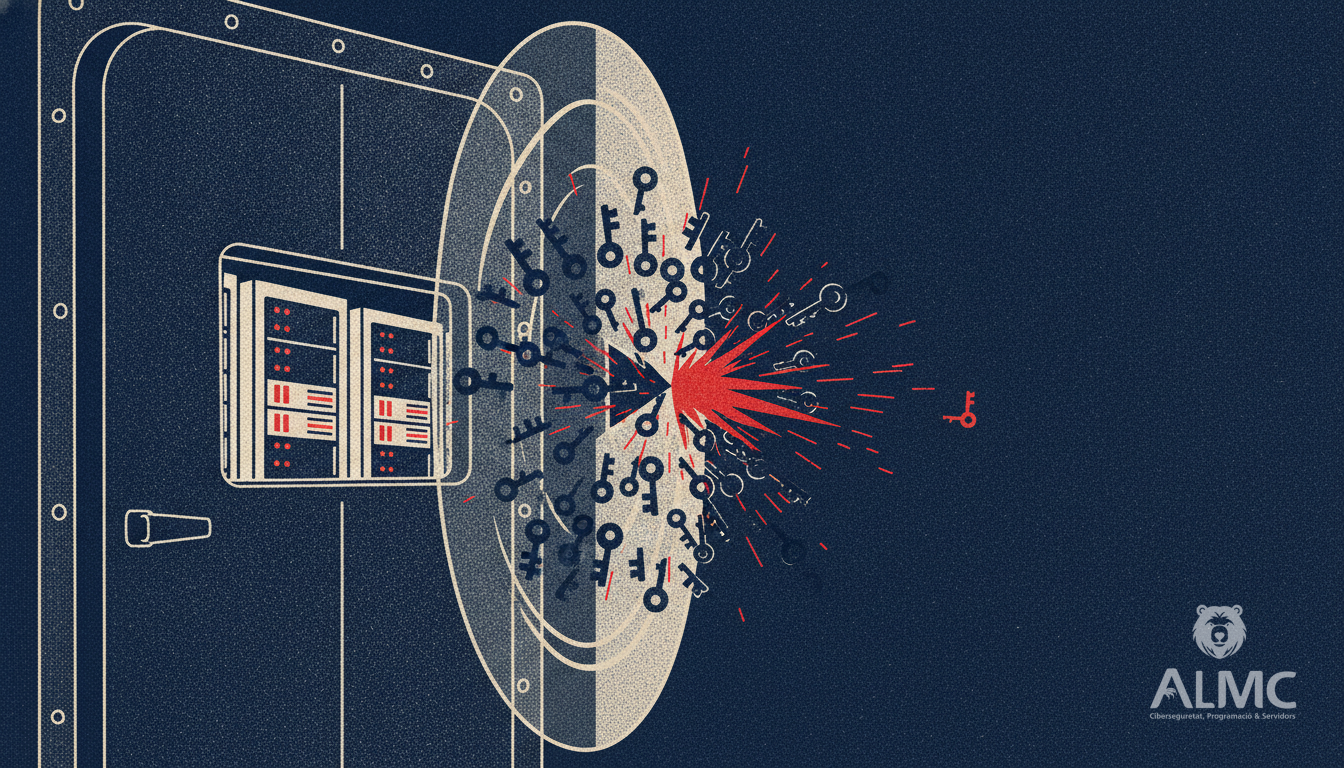
Both issues were rated 9.2 on the CVSS scale because they allow remote code execution without authentication. In plain terms: an attacker who reaches a vulnerable server can run their own code on it, no credentials required. The flaws reportedly sat undetected for well over a decade before being surfaced by researchers using advanced AI models to comb through complex code paths. The patches arrived, but the details leaked slightly ahead of them — and scanning activity against internet-facing servers picked up almost immediately.
For system administrators in Barcelona, Lleida, Tarragona and Girona running their own infrastructure, the lesson is not merely "update PHP". It is that patching is a race you sometimes start late, and you need a second line of defence that works while you are still running it.
The uncomfortable truth about patch windows
Every serious incident of this type follows the same rhythm. A flaw is disclosed, alerts go out from national cybersecurity bodies, and IT teams drop everything to update. But real environments are messy. A PHP upgrade can break an old e-commerce module, a custom invoicing integration or a CMS extension that has not been touched in years. Some teams took the drastic route and temporarily disconnected affected systems — a defensible decision, but an expensive one when it takes a client's shop offline.
Meanwhile, the scanning does not wait. Automated probes sweep address ranges looking for version banners and behaviour patterns that betray a vulnerable target. The absence of a visible breach is not proof of safety; it often just means nobody has looked closely enough at the logs yet.
This is where most organisations discover that their security posture has a structural gap: they can patch, but they cannot see, correlate or block what is happening across their fleet in real time.
What a centralised shield actually changes
At ALMC.es we built Abuse Shield precisely around this gap. Instead of treating each machine as an island with its own hand-tuned firewall rules, it centralises protection across all your servers:
- Automatic blocking of malicious IPs. Addresses that misbehave are blocked without an administrator manually editing rules at two in the morning.
- Managed fail2ban across multiple machines. The same protection policy applies consistently, whether you run three VPS or thirty dedicated nodes.
- A shared IP reputation feed. When one server in your fleet identifies an abusive address, every other server learns about it. An attacker probing a staging box in Lleida finds the door already shut on the production cluster in Barcelona.
The practical effect during an event like PHP2Shell is significant. Even before your PHP version is fully reconciled, the reconnaissance traffic that precedes exploitation gets filtered. Attackers rarely strike blind; they scan, fingerprint and retry. Cutting that feedback loop short buys the hours your team needs to test and deploy patches properly rather than in a panic.
Built for hosting providers and SMEs alike
Hosting companies feel this acutely: a single compromised customer account can taint an entire shared platform and trigger GDPR notification obligations. A reputation feed shared across the whole estate means one tenant's bad neighbour is contained before it becomes everyone's incident. For smaller companies with their own servers — an ERP, a webshop, a customer portal — the appeal is different but just as real: enterprise-grade protection without hiring a dedicated security engineer.
Compliance matters here too. Under GDPR, demonstrating appropriate technical measures is part of accountability. Centralised logging of blocked addresses and consistent enforcement across machines gives you something concrete to show, rather than a vague assurance that "the servers are monitored".
A short checklist for the coming weeks
- Inventory every PHP runtime you operate, including the ones hiding inside third-party appliances and forgotten subdomains.
- Patch internet-facing systems first, and have a rollback plan for the applications most likely to break.
- For end-of-life versions with no vendor fix, apply the documented mitigations and isolate those services behind stricter filtering.
- Review logs and indicators of compromise after patching, not only before — assume probing happened.
- Put a blocking and reputation layer in front of the whole fleet so the next disclosure is a scheduled task, not an emergency.
PHP2Shell will not be the last flaw of its kind. The technology stack of the web is too concentrated for that. What you can control is how much of the blast radius you have already closed off before the next alert lands in your inbox.
Related
- How to Harden Your Servers with Fail2ban and IP Reputation Feeds
- Fail2ban: Your First Line of Defense Against Unauthorized Server Access
- Critical libssh2 flaw: urgent patch for SSH servers
- Desarrollo web
Put these ideas into practice
Talk to ALMC about a solution for your business. Explore your options or contact our team.